How are we to make sense of Vladimir Putin’s announcement that the bulk of the Russian expeditionary force in Syria is to be withdrawn over an as-of-yet undefined period in the coming weeks and months? Is this a Kremlin victory lap, or a way to extricate Russia from what might prove to be a dangerous and costly mistake? Here are five ways to view Putin’s surprise.
1) Mission accomplished
The most straightforward explanation, based on an assessment that the Russian expeditionary deployment, which began last September, was always intended to be a short-term operation. At the time, the Kremlin made no grandiose promises about what its active involvement in the Syrian civil war would bring—no boasting about how the Islamic State would be destroyed or statements about restoring control over all of Syria to the regime of Bashar al-Assad.
Like the Russian intervention in the Donbass the year before, Putin moved to act swiftly in Syria at a time when most Western experts were confidently predicting that Assad, finally, had reached the end of his rope and that the opposition would soon be in Damascus. The Russian military presence in Syria was supposed to “assist” the Assad regime, and it has done that. Six months later, in March 2016, no one is talking about how Assad is about to fall; the Syrian government forces and their various militia allies have regained the initiative on the battlefield, taking back key villages that strengthen their ability to keep control of the parts of Syria they occupy while degrading the capabilities of the opposition.
When Development Falters: The Cost of Europe’s Inward Turn
At a time of growing global uncertainty and polarization, it can often be difficult to pinpoint the specific moments that will have the most pronounced impact on the long-term strength of our international system.
Read more
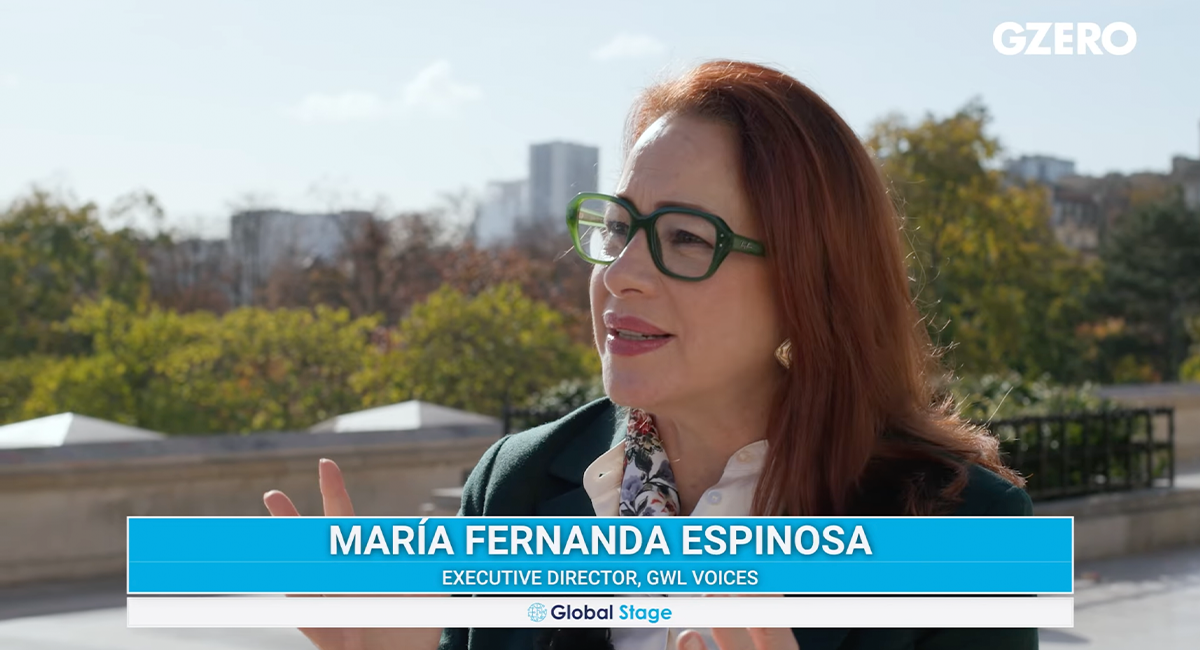
GPDI Co-Chair María Fernanda Espinosa Calls for UN Reform Centered on Preventive Diplomacy in Interview with GZERO Media
Paris — On the sidelines of the Paris Peace Forum, María Fernanda Espinosa, Co-Chair of the Global Preventive Diplomacy Initiative (GPDI) and former President of the United Nations General Assembly, spoke with GZERO Media’s Tony Maciulis about the urgent need to make global peace efforts more proactive through preventive diplomacy.
Read more
CIRSD Vice President Participates at International Conference on Responsible Management Education
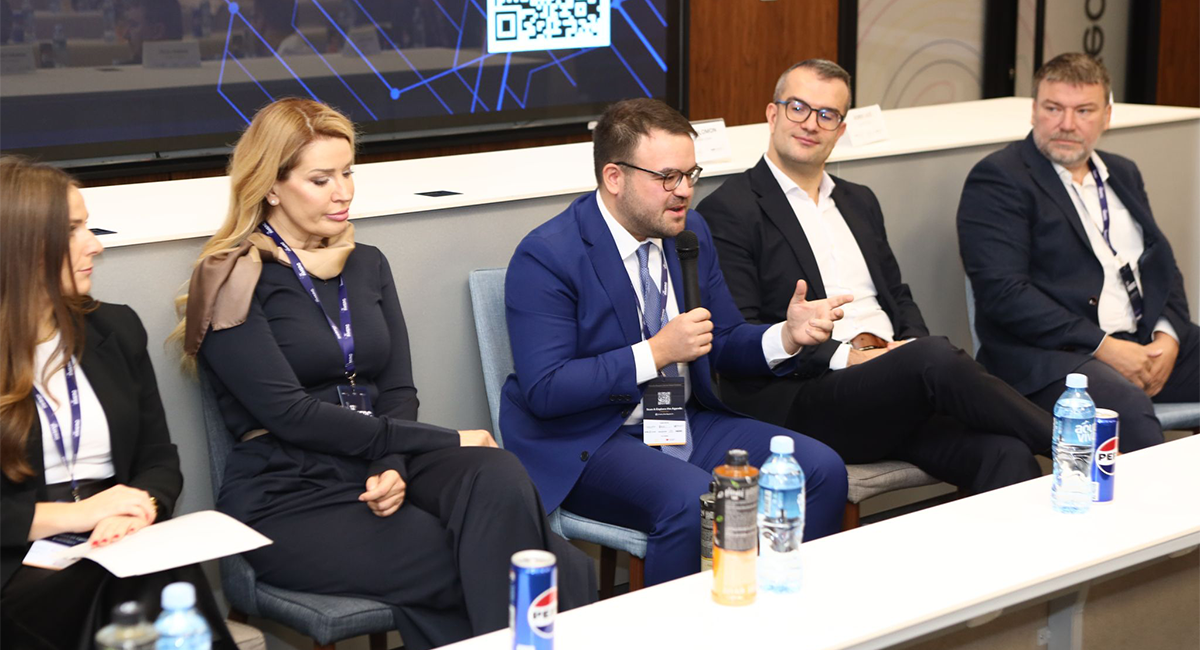
Belgrade, October 2025 — CIRSD Vice President Stefan Jovanović participated in the 12th Responsible Management Education Research Conference (RMERC), held last week in Belgrade. The event was organized by the University of Belgrade, Faculty of Organizational Sciences, and the Principles for Responsible Management Education (PRME) Anti-Poverty Working Group, bringing together representatives from academia, the business community, and international organizations from around the world.
Read more
Maria Fernanda Espinosa Calls for Stronger Preventive Diplomacy as the UN Marks its 80th Anniversary
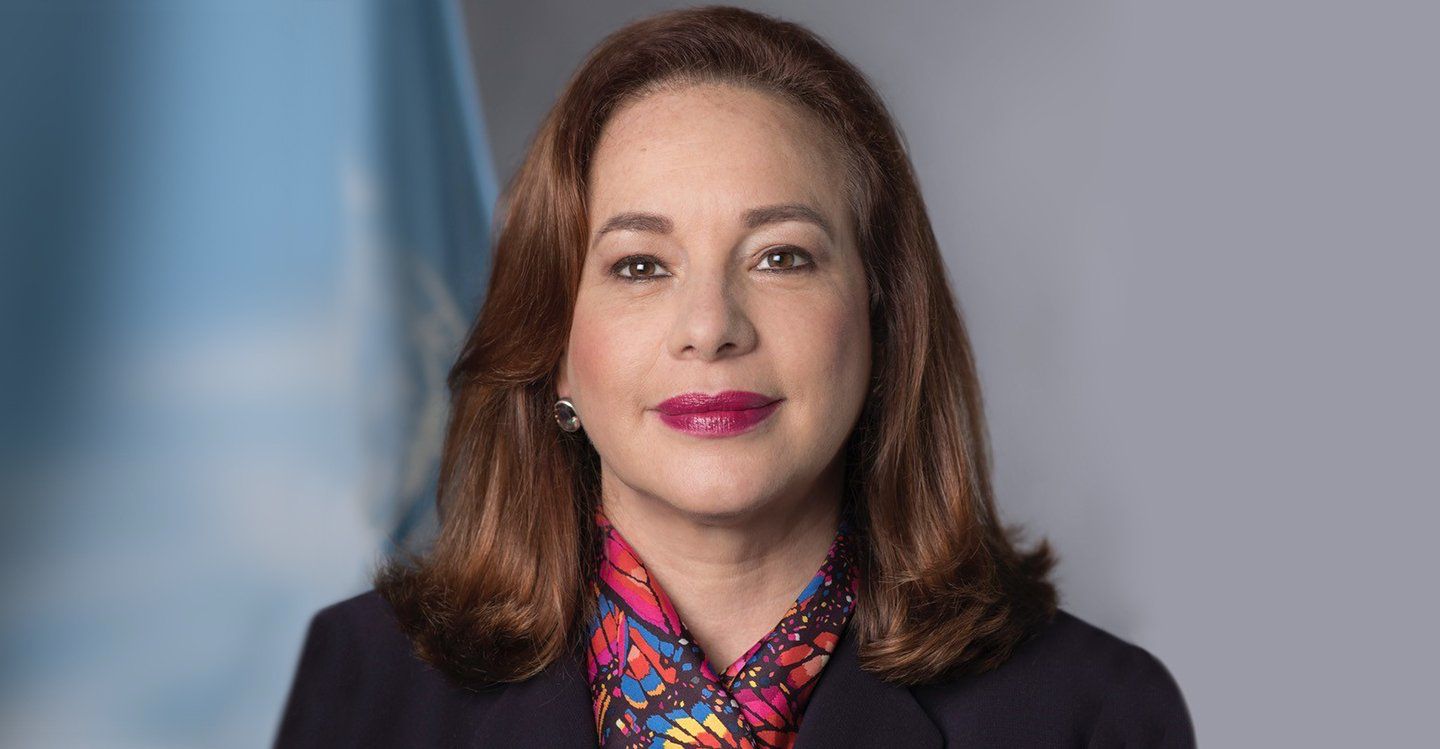
As the United Nations commemorates its 80th anniversary, Maria Fernanda Espinosa, former President of the UN General Assembly and Co-Chair of the Global Preventive Diplomacy Initiative (GPDI), spoke to CGTN’s flagship program The Agenda about the urgent need to modernize the UN and make preventive diplomacy the central pillar of its peace and security agenda.
Read more

 Author:
 How are we to make sense of Vladimir Putin’s announcement that the bulk of the Russian expeditionary force in Syria is to be withdrawn over an as-of-yet undefined period in the coming weeks and months? Is this a Kremlin victory lap, or a way to extricate Russia from what might prove to be a dangerous and costly mistake? Here are five ways to view Putin’s surprise.