On World Oceans Day, a reminder that climate change action must consider the oceans
On World Oceans Day, a reminder that climate change action must consider the oceans
Lindley Mease and Kristen Weiss
Our oceans and the climate are inextricably linked: the ocean regulates our global climate, and climate change is having substantial impacts on the ocean and its wildlife. Since 1955, the ocean has absorbed over 90 percent of the excess heat building up from the release of greenhouse gases emitted from the burning of fossil fuels. Absorbing this heat in the form of CO2 is starting to take its toll on ocean ecosystems. This World Oceans Day is an appropriate time to celebrate important progress that has been made to reverse this process and to examine the challenges ahead.
The tide turns at UN climate talks as oceans gain recognition in the Paris Agreement
At COP21 last December, negotiators from 195 countries signed a momentous deal to address climate change, one that is considered by many to be a historic turning point in the world’s commitment to reducing greenhouse gases. What’s more, thanks to the concerted efforts of many organizations and individuals, the Paris Agreement includes recognition of the ocean both in the preamble and in the agreement itself within the context of ”Ecosystem Integrity.”
Why is it such a big deal that the ocean received attention in the Paris Agreement? In part, it’s because oceans had never been a significant part of the discussion at past U.N. climate talks, so inclusion this year was considered a big win for ocean advocates, researchers, and other stakeholders. More importantly, it has paved the way toward more integrative ecosystem-based management, in which the links between ocean, climate, ecosystem health, and human well-being are explicitly recognized. While the inclusion in the climate agreement signals movement in the right direction, the oceans face many critical challenges as global warming continues.
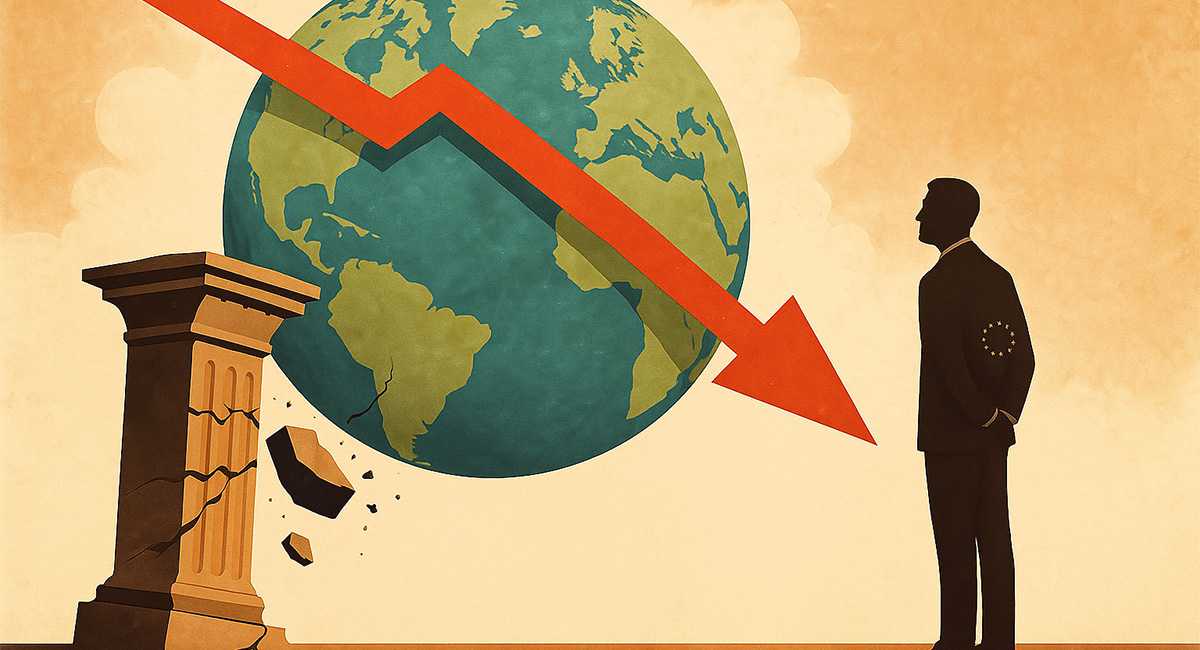
When Development Falters: The Cost of Europe’s Inward Turn
At a time of growing global uncertainty and polarization, it can often be difficult to pinpoint the specific moments that will have the most pronounced impact on the long-term strength of our international system.
Read more
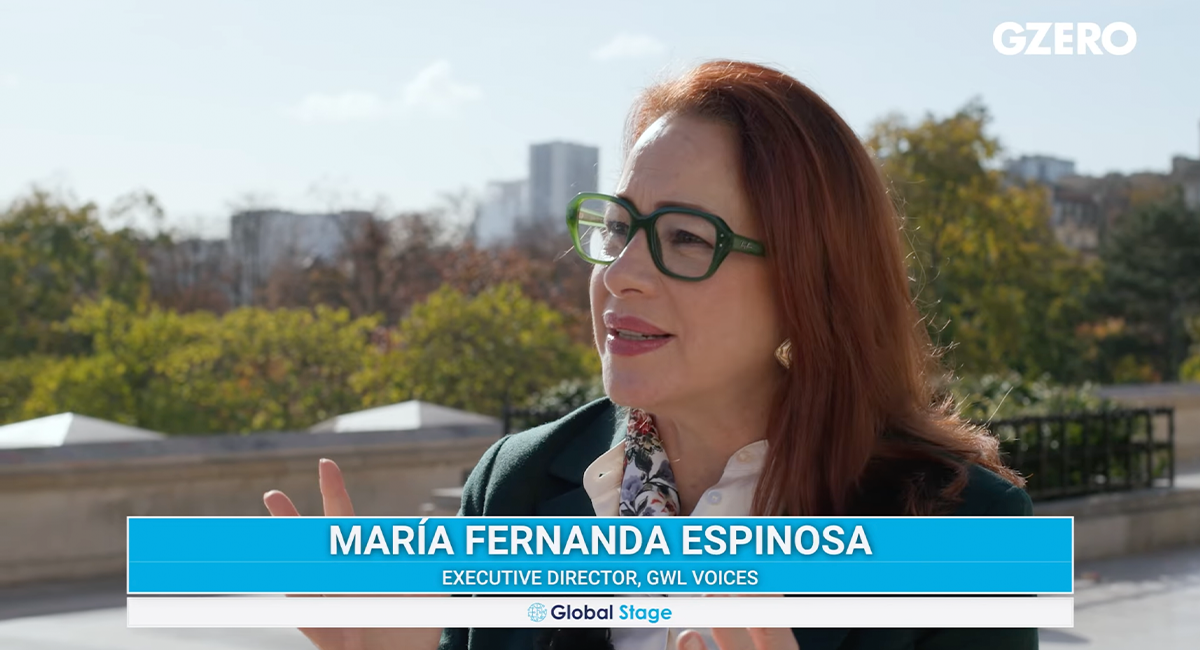
GPDI Co-Chair María Fernanda Espinosa Calls for UN Reform Centered on Preventive Diplomacy in Interview with GZERO Media
Paris — On the sidelines of the Paris Peace Forum, María Fernanda Espinosa, Co-Chair of the Global Preventive Diplomacy Initiative (GPDI) and former President of the United Nations General Assembly, spoke with GZERO Media’s Tony Maciulis about the urgent need to make global peace efforts more proactive through preventive diplomacy.
Read more
CIRSD Vice President Participates at International Conference on Responsible Management Education
Belgrade, October 2025 — CIRSD Vice President Stefan Jovanović participated in the 12th Responsible Management Education Research Conference (RMERC), held last week in Belgrade. The event was organized by the University of Belgrade, Faculty of Organizational Sciences, and the Principles for Responsible Management Education (PRME) Anti-Poverty Working Group, bringing together representatives from academia, the business community, and international organizations from around the world.
Read more
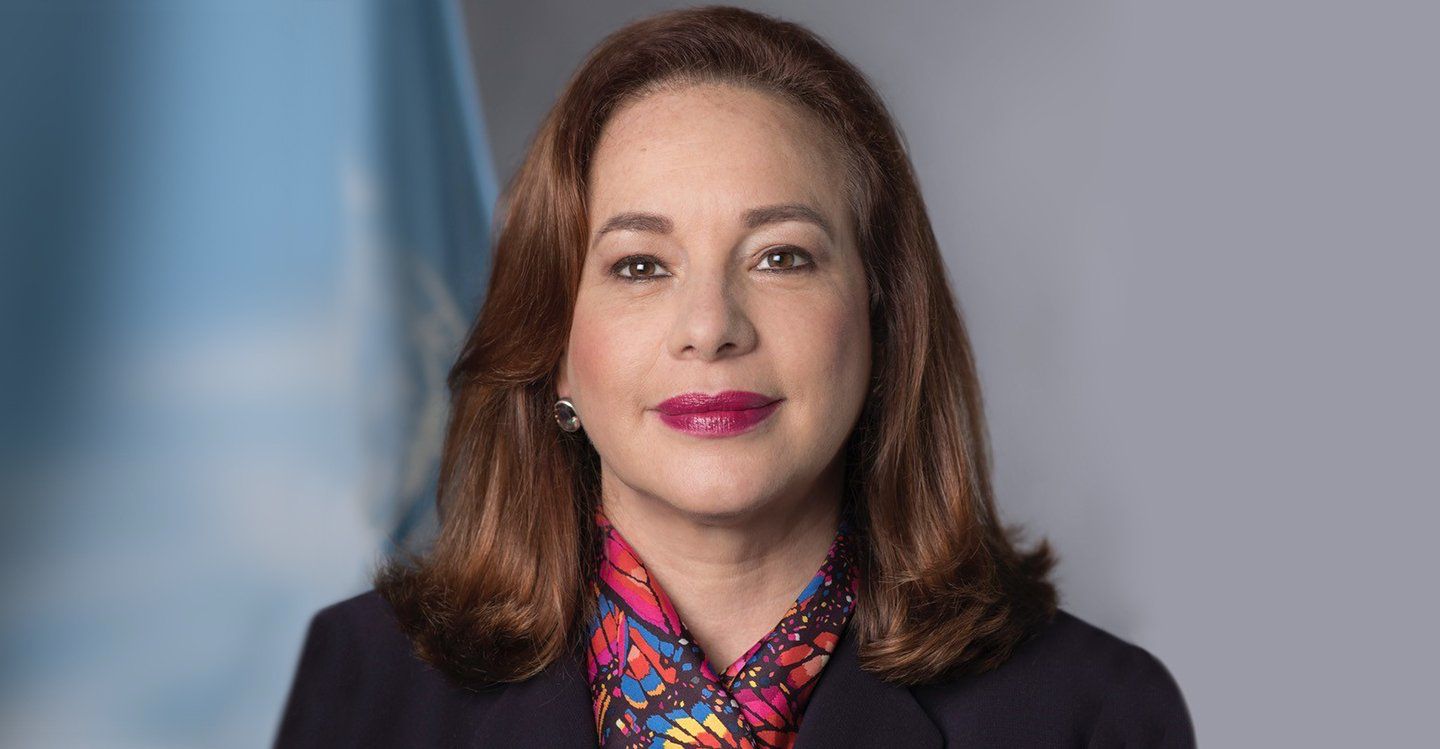
Maria Fernanda Espinosa Calls for Stronger Preventive Diplomacy as the UN Marks its 80th Anniversary
As the United Nations commemorates its 80th anniversary, Maria Fernanda Espinosa, former President of the UN General Assembly and Co-Chair of the Global Preventive Diplomacy Initiative (GPDI), spoke to CGTN’s flagship program The Agenda about the urgent need to modernize the UN and make preventive diplomacy the central pillar of its peace and security agenda.
Read more

 Lindley Mease and Kristen Weiss