In just over a month, China will assume the G-20 presidency. Over the next year – and especially at the organization’s September summit, to be held in Hangzhou – China plans to help lay the groundwork for a world economy that is more “innovative, invigorated, interconnected, and inclusive.” The question is how.
One place to look is the current G-20 presidency, held by Turkey, which has emphasized inclusiveness, implementation, and investment for growth. Though securing consensus within the G-20 is notoriously difficult, the Turkish presidency has had three key successes.
In the last year, Turkey has spearheaded a new accountability framework for efforts to boost growth in the G-20 countries. It has launched a World Small and Medium Enterprise Forum aimed at enhancing the contributions of SMEs to the global economy. And at the recent G-20 summit in Antalya, held just two days after the November 13 terrorist attacks in Paris, a consensus emerged that the fight against the Islamic State is a “major priority.”
In short, the G-20 has gained some momentum, and China can benefit. If the current United Nations Climate Change Conference produces a binding global agreement to curb greenhouse-gas emissions, that momentum will become even stronger. Given that the G-20 countries represent two-thirds of the world’s population and 85% of its GDP, they would be integral to the implementation of any deal. By providing a framework for these countries to meet regularly to discuss global challenges like climate change, the G-20 – which is, at best, a club of self-selected members – gains legitimacy.
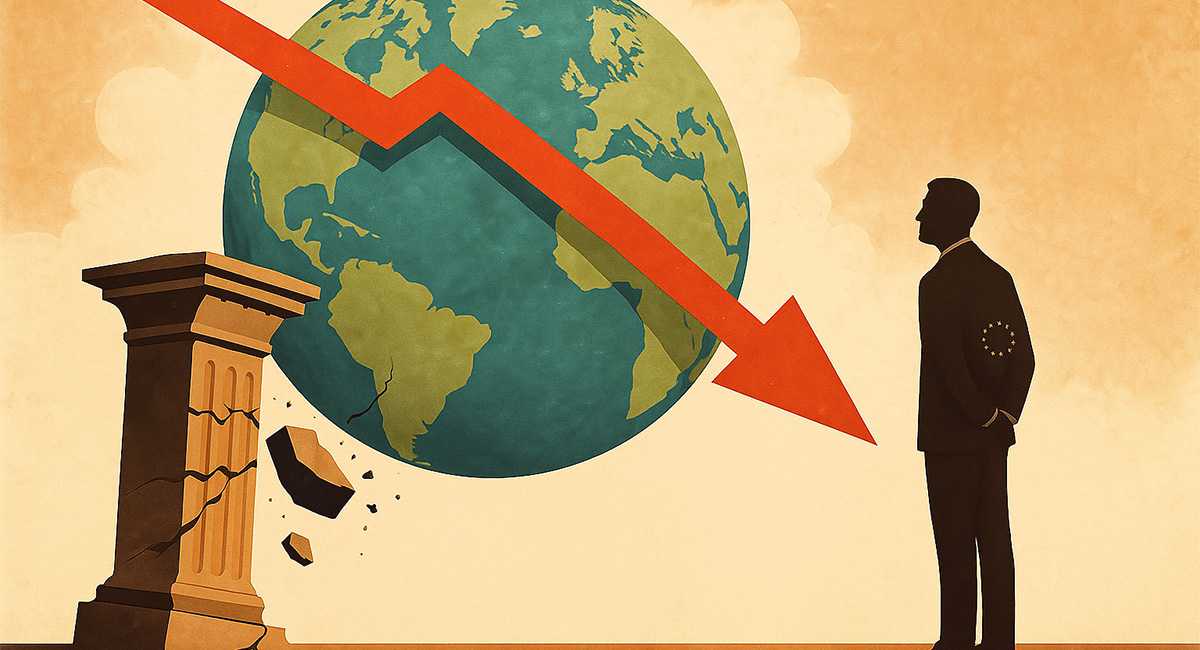
When Development Falters: The Cost of Europe’s Inward Turn
At a time of growing global uncertainty and polarization, it can often be difficult to pinpoint the specific moments that will have the most pronounced impact on the long-term strength of our international system.
Read more
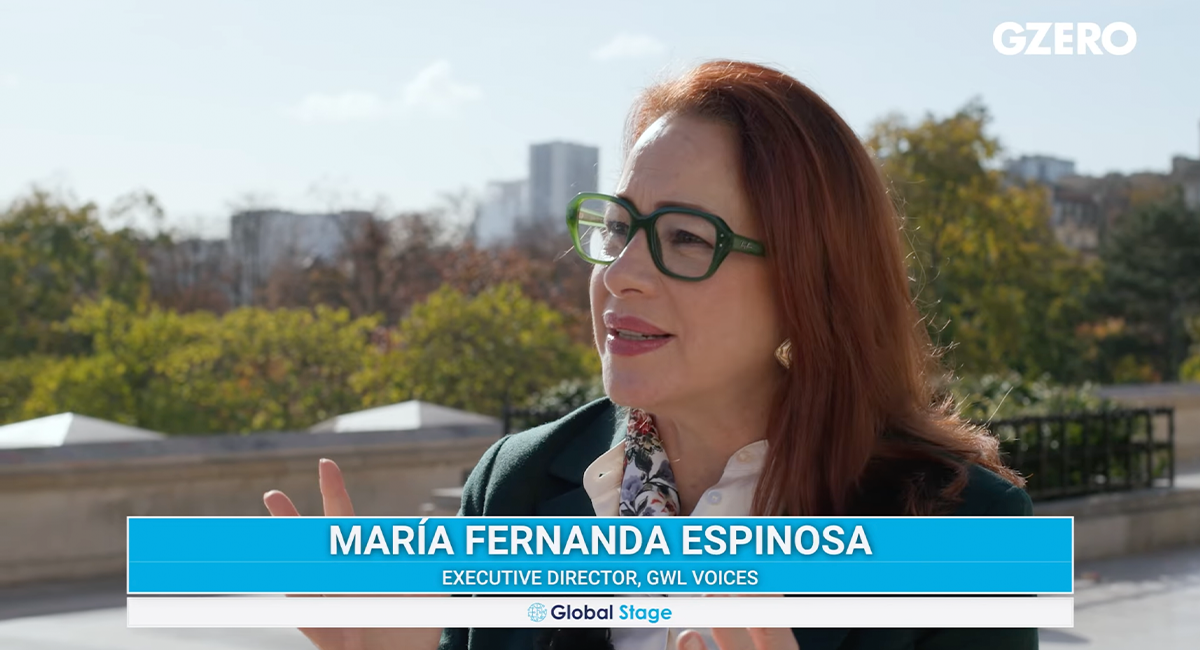
GPDI Co-Chair María Fernanda Espinosa Calls for UN Reform Centered on Preventive Diplomacy in Interview with GZERO Media
Paris — On the sidelines of the Paris Peace Forum, María Fernanda Espinosa, Co-Chair of the Global Preventive Diplomacy Initiative (GPDI) and former President of the United Nations General Assembly, spoke with GZERO Media’s Tony Maciulis about the urgent need to make global peace efforts more proactive through preventive diplomacy.
Read more
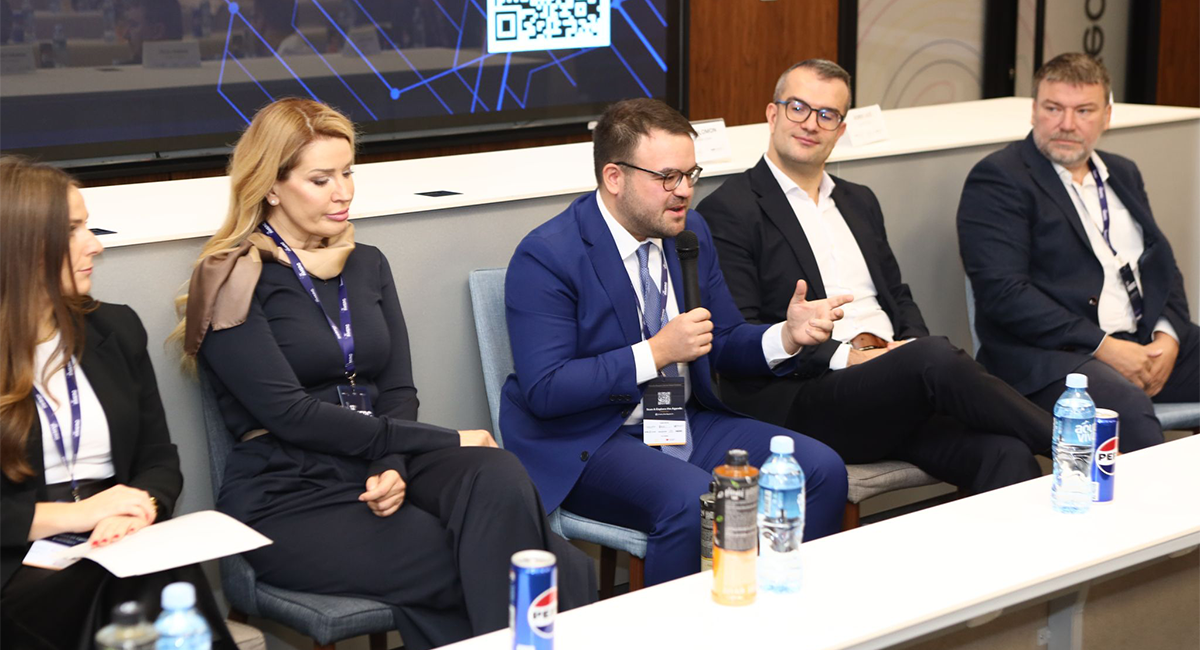
CIRSD Vice President Participates at International Conference on Responsible Management Education
Belgrade, October 2025 — CIRSD Vice President Stefan Jovanović participated in the 12th Responsible Management Education Research Conference (RMERC), held last week in Belgrade. The event was organized by the University of Belgrade, Faculty of Organizational Sciences, and the Principles for Responsible Management Education (PRME) Anti-Poverty Working Group, bringing together representatives from academia, the business community, and international organizations from around the world.
Read more
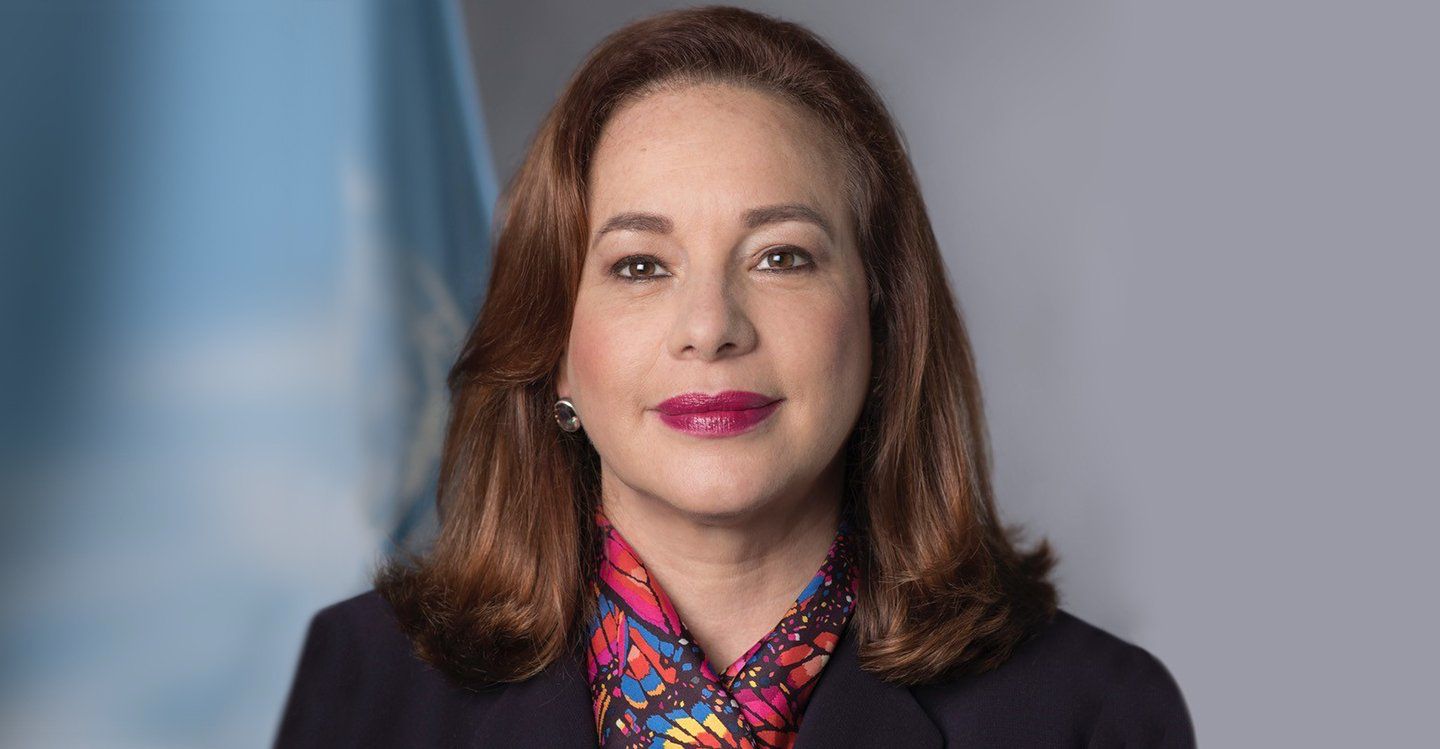
Maria Fernanda Espinosa Calls for Stronger Preventive Diplomacy as the UN Marks its 80th Anniversary
As the United Nations commemorates its 80th anniversary, Maria Fernanda Espinosa, former President of the UN General Assembly and Co-Chair of the Global Preventive Diplomacy Initiative (GPDI), spoke to CGTN’s flagship program The Agenda about the urgent need to modernize the UN and make preventive diplomacy the central pillar of its peace and security agenda.
Read more

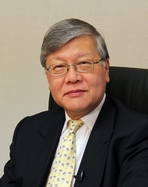
 Andrew Sheng and Xiao Geng