Unaccompanied child refugees: 'These children aren't seen as children'
Unaccompanied child refugees: 'These children aren't seen as children'
Renate van der Zee
Human smugglers increasingly combine smuggling with exploitation and their victims are often children,” says Federica Toscano. “At chaotic border situations, it happens that smugglers deliberately separate refugee children from their parents to exploit them.’’
“We also hear that families at the border between Greece and Macedonia have been forced to ‘pay’ smugglers with one of their children,” continues Toscano. “Smugglers have come to realise they can make much more profit by taking advantage of vulnerable people. And the most vulnerable people are children.”
Toscano is well-placed to know. She works for Missing Children Europe, a network of thirty European NGOs that are active in the field of missing and sexually exploited children. Since its foundation in 2001, MCE has focussed on different groups of missing children (pdf). Half of the cases of children that disappear in Europe are runaways: those who run away from home or institutions after a history of violence or abuse. More than a third are abducted by parents.
But the most recent category is unaccompanied child refugees. “This group only makes up 2% of cases, which is a low percentage,” says Delphine Moralis, the secretary general of MCE, “but that doesn’t say anything about the magnitude of the problem. These children are seldom reported as missing. That’s why we find it so important to focus on this problem too.’’
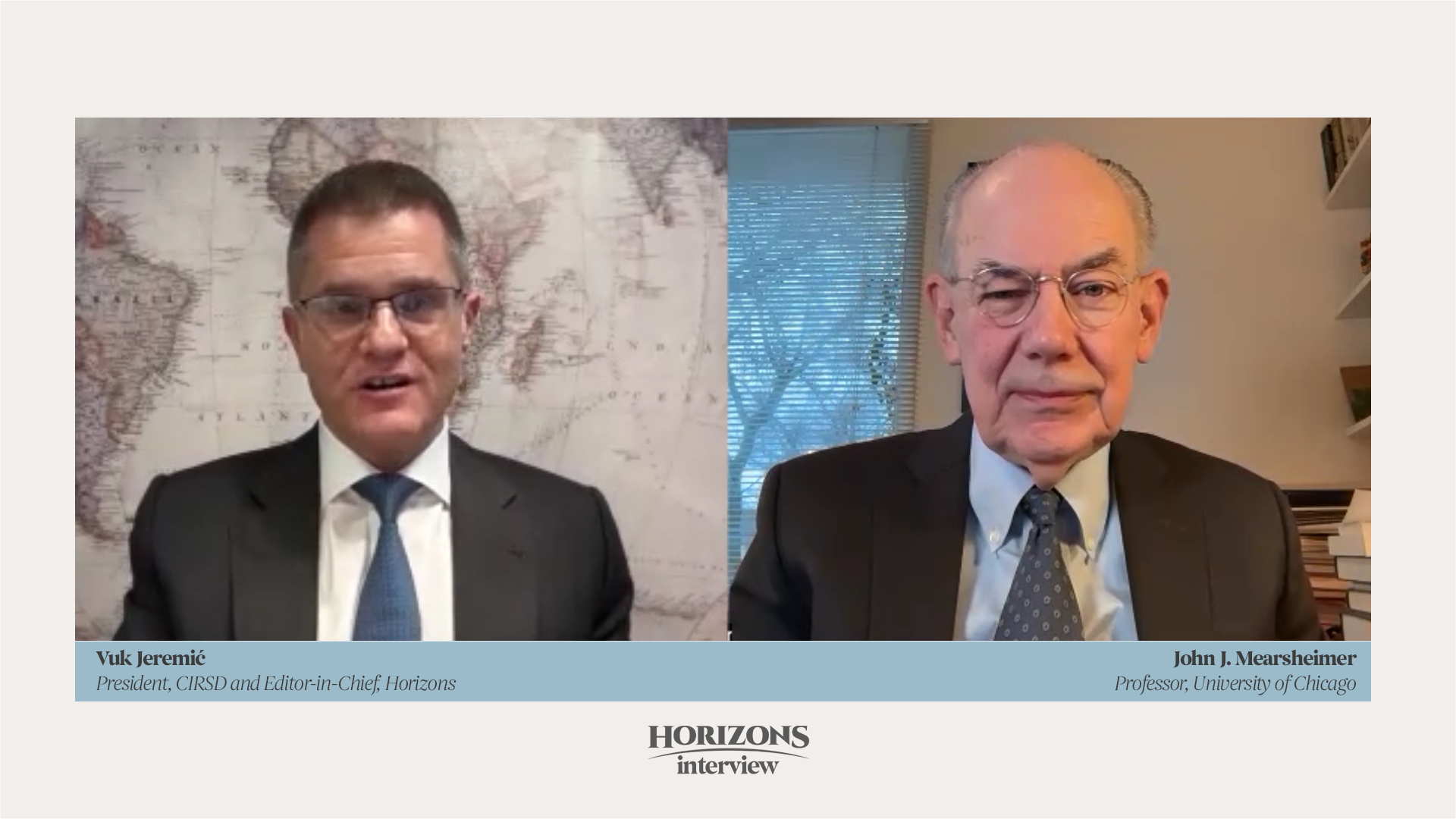
John J. Mearsheimer: The Return of Great-Power Politics
The Center for International Relations and Sustainable Development (CIRSD) has published a new Horizons Interviewwith Professor John J. Mearsheimer, one of the most influential political scientists of our time and the leading voice of structural realism in international relations. The interview was moderated by Vuk Jeremić, President of CIRSD and Editor-in-Chief of Horizons.
Read more
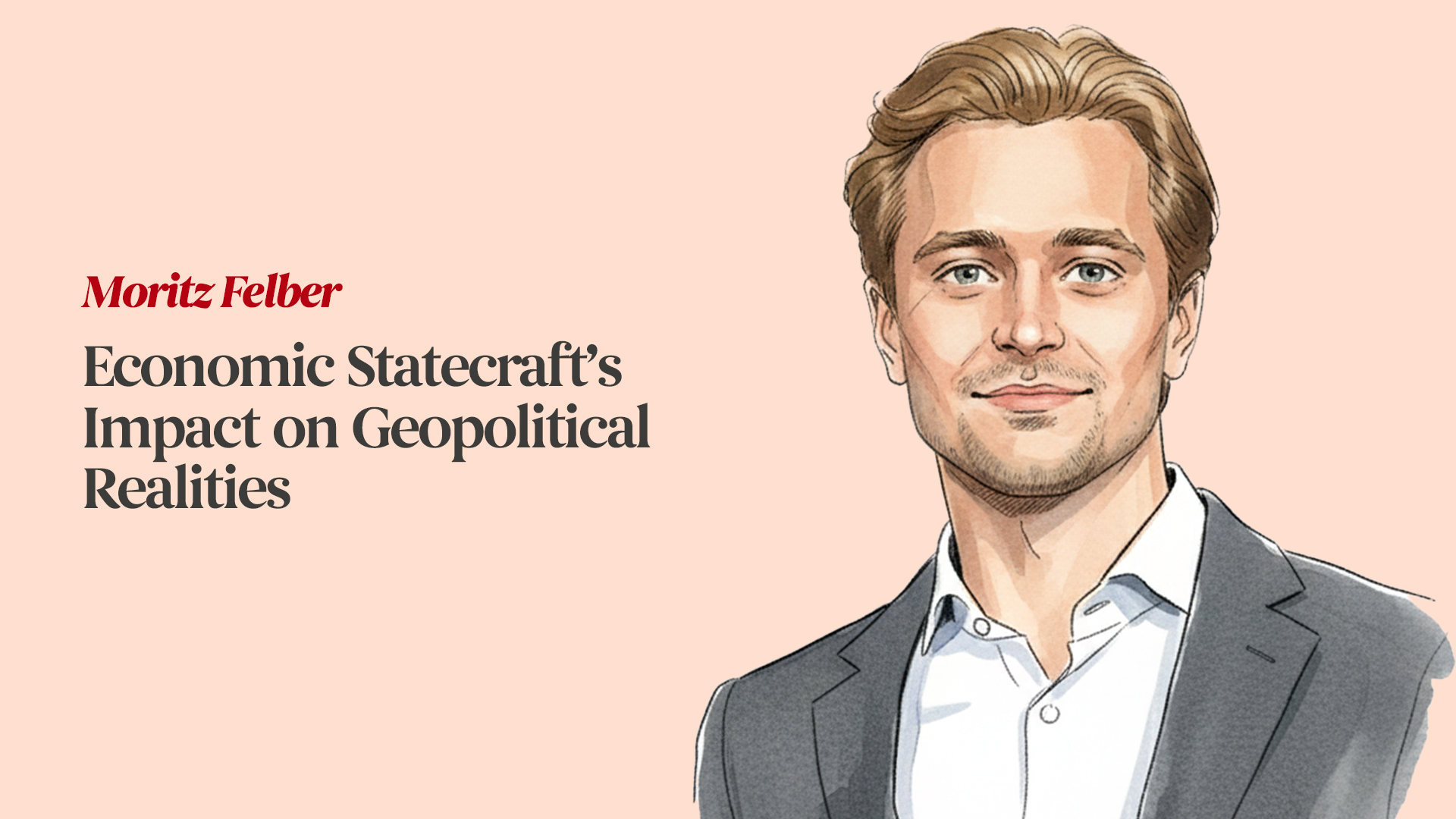
Economic Statecraft’s Impact on Geopolitical Realities
European Russophobia and Europe’s Rejection of Peace: A Two-Century Failure
Europe has repeatedly rejected peace with Russia at moments when a negotiated settlement was available, and those rejections have proven profoundly self-defeating.
Read more

 Renate van der Zee