Record-strength hurricanes, submerged coastal cities, scorched dust bowls – these are the sort of apocalyptic images that are often used to illustrate the devastating consequences of climate change. But for millions of farmers in Latin America and the Caribbean, a slow-motion catastrophe is already underway.
A fungus known as rust, or roya in Spanish, is attacking coffee plantations from Mexico to Peru. Scientists blame the rapid spread of the disease – which suffocates trees by coating their leaves – on climate change. Rust thrives when it rains often and temperatures are unusually warm – conditions that are occurring more frequently in these coffee-growing regions.
Most of the discussion at the United Nations Climate Change Conference in Paris has focused on what will happen after 2020, when any agreement that is reached would come into effect. But coffee rust is destroying livelihoods even as the negotiators speak. The crisis illustrates the burden developing countries face as they try to meet their people’s hopes for higher living standards and their international commitments to decarbonize their economies. Addressing it will require the same broad cooperation and decisive action that other climate-related challenges will demand over the coming decades.
In Central America, per capita greenhouse-gas emissions are between one-fifth and one-tenth of those in industrialized countries. Governments in the region are pledging to cut emissions by as much as 25% by 2030, and to implement other measures to mitigate and adapt to climate change; overall, these efforts are expected to require at least $4 billion a year in investments. By comparison, replacing blighted coffee trees with rust-resistant varieties would cost an estimated $1 billion.
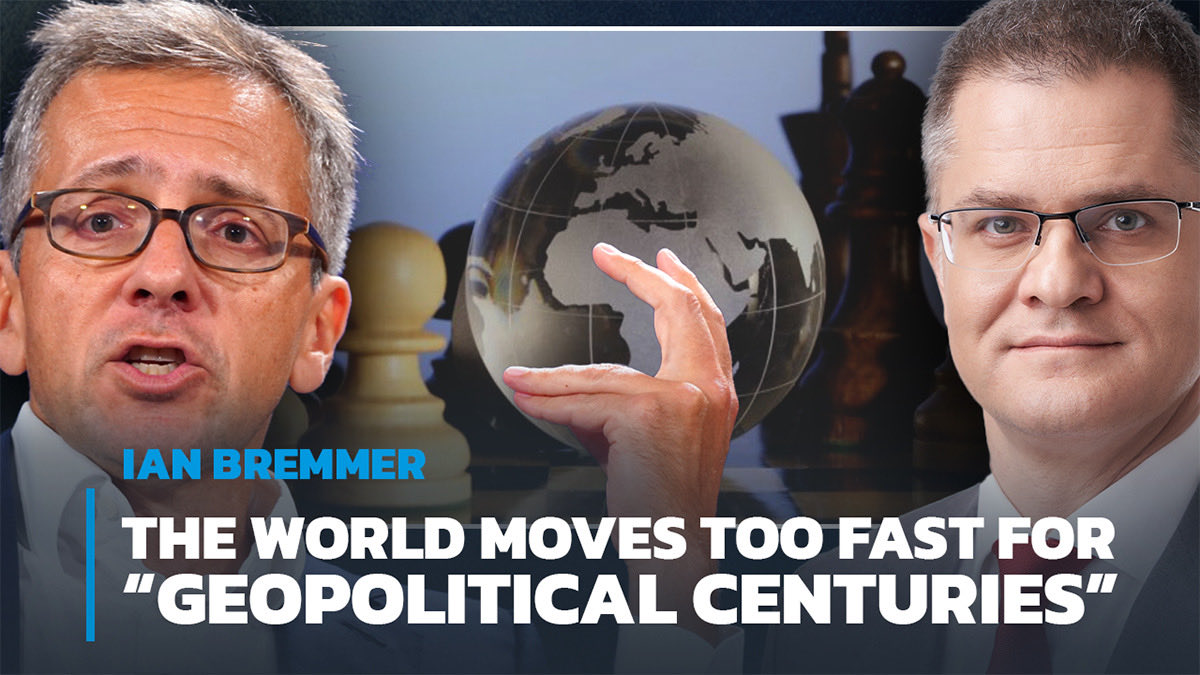
[VIDEO] Ian Bremmer: The World Moves Too Fast for “Geopolitical Centuries” | Horizons Interview
Horizons presents an exclusive interview with Ian Bremmer, President and Founder of Eurasia Group and GZERO Media. The conversation explores the current state of global affairs, including the idea of a “geopolitical recession,” the rise of Asia, shifts in the domestic political landscape in the United States, transatlantic relations, the future of global governance, as well as the growing impact of artificial intelligence on international stability and economic transformation. The interview was conducted by Horizons Editor in Chief Vuk Jeremić and recorded in November 2025.
Read more
Horizons Discussion with Jeffrey Sachs on the Asia-Pacific Century
The Center for International Relations and Sustainable Development (CIRSD) hosted a high-level Horizons Discussion featuring Professor Jeffrey D. Sachs, one of the world’s most renowned intellectuals, in conversation with Vuk Jeremić, President of CIRSD and Editor-in-Chief of Horizons. The event marked the launch of the 32nd volume of Horizons, titled The Asia-Pacific Century.
Read more
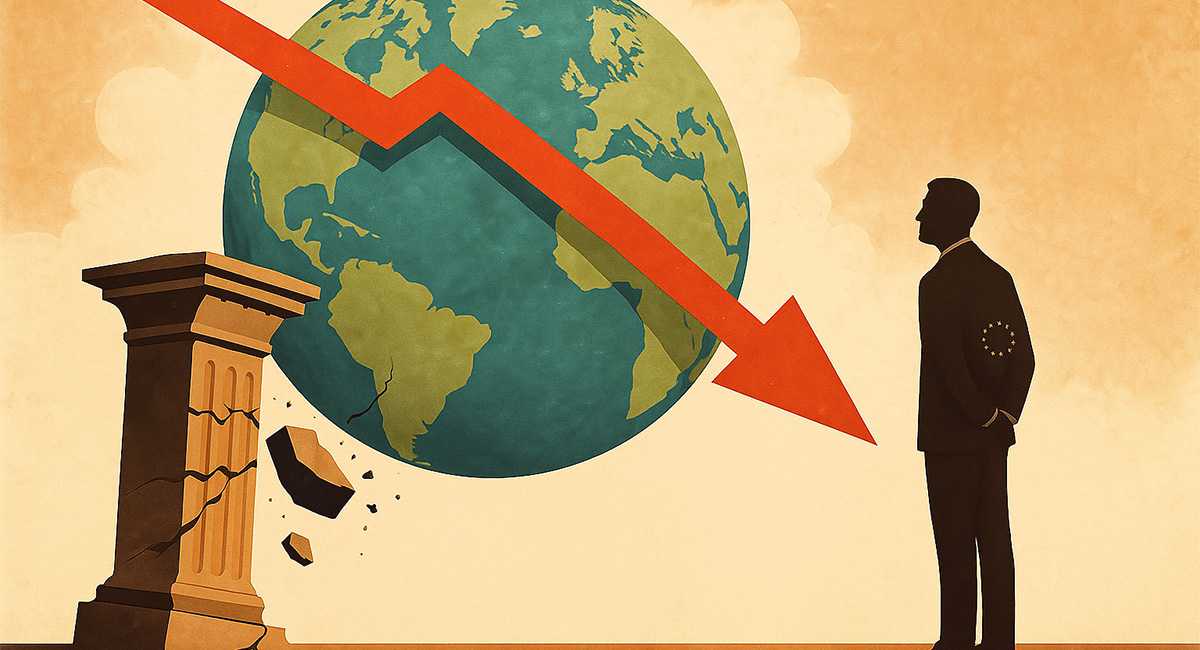
When Development Falters: The Cost of Europe’s Inward Turn
At a time of growing global uncertainty and polarization, it can often be difficult to pinpoint the specific moments that will have the most pronounced impact on the long-term strength of our international system.
Read more
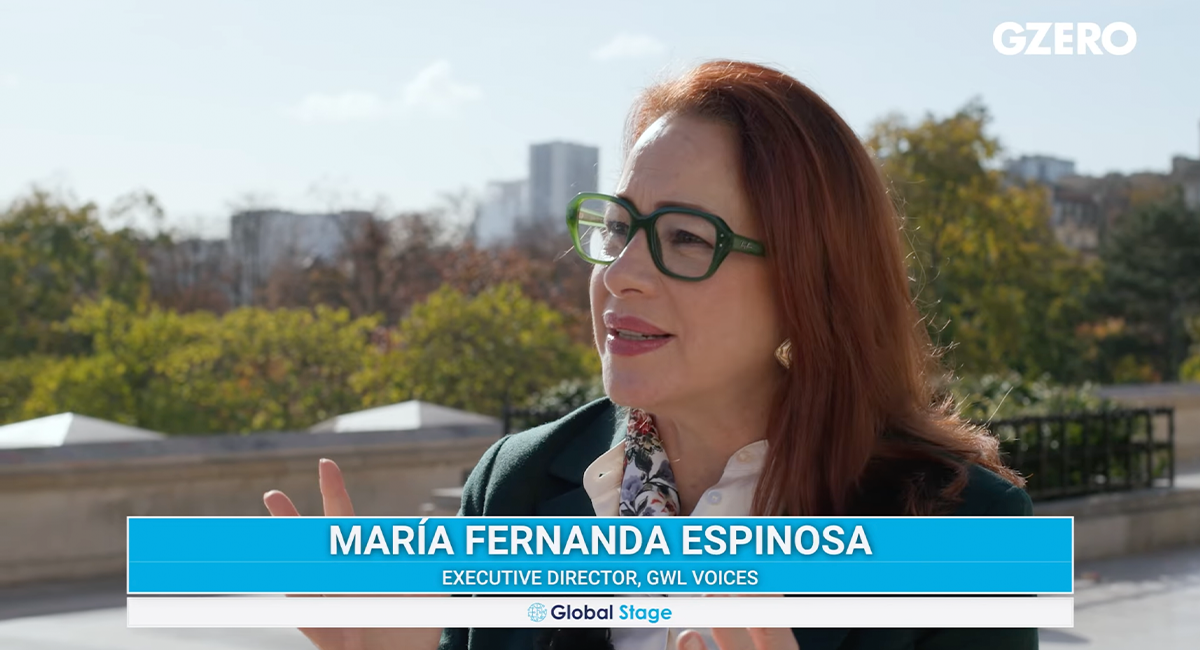
GPDI Co-Chair María Fernanda Espinosa Calls for UN Reform Centered on Preventive Diplomacy in Interview with GZERO Media
Paris — On the sidelines of the Paris Peace Forum, María Fernanda Espinosa, Co-Chair of the Global Preventive Diplomacy Initiative (GPDI) and former President of the United Nations General Assembly, spoke with GZERO Media’s Tony Maciulis about the urgent need to make global peace efforts more proactive through preventive diplomacy.
Read more

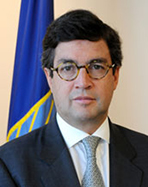 Luis Alberto Moreno