The last World Health Assembly (WHA) in Geneva (23-28 May) discussed the manifold global health crises that require urgent attention, and adopted resolutions to act on many issues. We are currently facing many global health related challenges, and as such multiple actions must be taken urgently to prevent these crises from boiling over.
The WHA is the world’s prime public health event and this year 3,500 delegates from 194 countries took part, including Health Ministers of most countries. World Health Organization (WHO) Director-General, Dr. Margaret Chan gave an overview of some of the successes and further work needed on the global health front.
The good news includes 19,000 fewer children dying every day, 44% drop in maternal mortality, 85% of tuberculosis cases that are successfully cured, and the fastest scale-up of a life-saving treatment in history, with over 15 million people living with HIV now receiving therapy, up from just 690,000 in 2000. As a result, aid for health is now far more effective, and the issue of health has become an investment for stable and equitable societies, not just a drain on resources.
The recent Ebola and Zika outbreaks showed how global health emergencies can develop very quickly. There is a dramatic resurgence of emerging and re-emerging infectious diseases, which the world is currently not prepared to cope with. Dr. Chan gave three examples of the emerging global health emergencies: climate change, antimicrobial resistance, and the rise of chronic-communicable diseases as the leading causes of death worldwide.
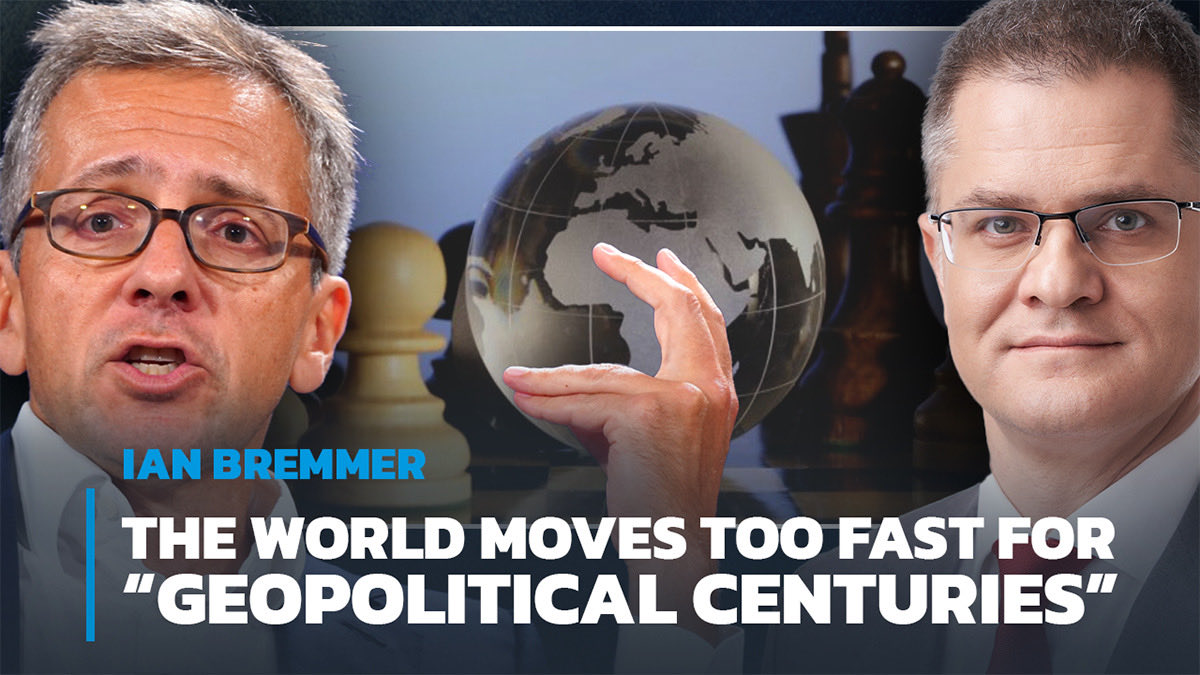
[VIDEO] Ian Bremmer: The World Moves Too Fast for “Geopolitical Centuries” | Horizons Interview
Horizons presents an exclusive interview with Ian Bremmer, President and Founder of Eurasia Group and GZERO Media. The conversation explores the current state of global affairs, including the idea of a “geopolitical recession,” the rise of Asia, shifts in the domestic political landscape in the United States, transatlantic relations, the future of global governance, as well as the growing impact of artificial intelligence on international stability and economic transformation. The interview was conducted by Horizons Editor in Chief Vuk Jeremić and recorded in November 2025.
Read more
Horizons Discussion with Jeffrey Sachs on the Asia-Pacific Century
The Center for International Relations and Sustainable Development (CIRSD) hosted a high-level Horizons Discussion featuring Professor Jeffrey D. Sachs, one of the world’s most renowned intellectuals, in conversation with Vuk Jeremić, President of CIRSD and Editor-in-Chief of Horizons. The event marked the launch of the 32nd volume of Horizons, titled The Asia-Pacific Century.
Read more
When Development Falters: The Cost of Europe’s Inward Turn
At a time of growing global uncertainty and polarization, it can often be difficult to pinpoint the specific moments that will have the most pronounced impact on the long-term strength of our international system.
Read more
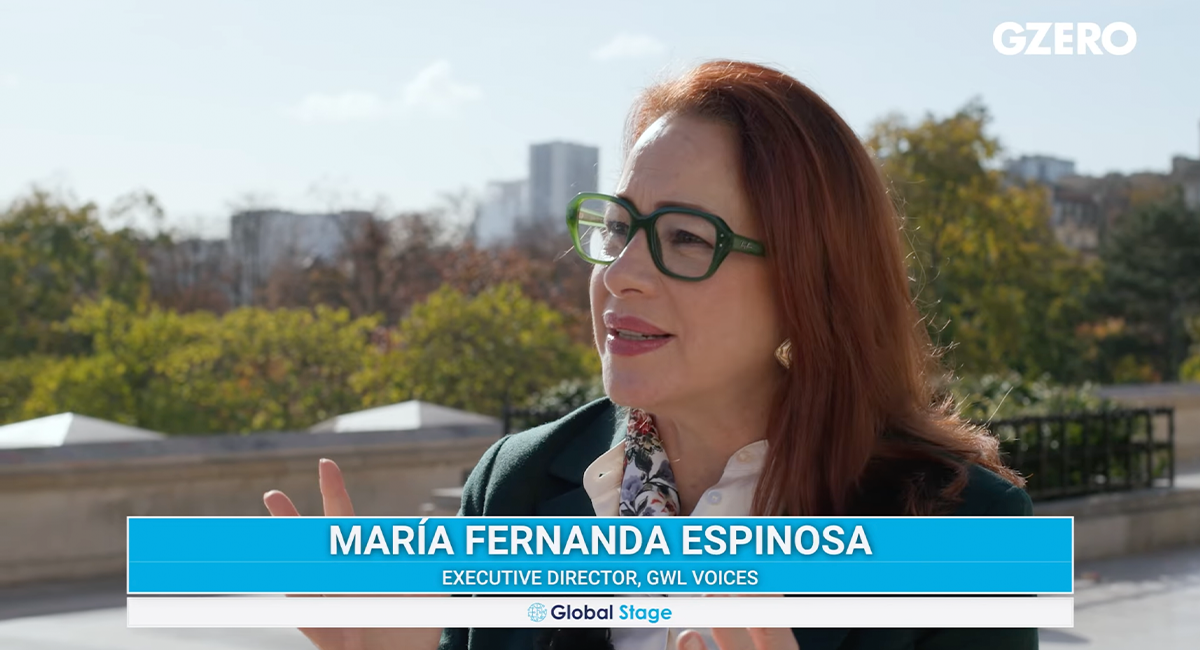
GPDI Co-Chair María Fernanda Espinosa Calls for UN Reform Centered on Preventive Diplomacy in Interview with GZERO Media
Paris — On the sidelines of the Paris Peace Forum, María Fernanda Espinosa, Co-Chair of the Global Preventive Diplomacy Initiative (GPDI) and former President of the United Nations General Assembly, spoke with GZERO Media’s Tony Maciulis about the urgent need to make global peace efforts more proactive through preventive diplomacy.
Read more

 Author:
 The last World Health Assembly (WHA) in Geneva (23-28 May) discussed the manifold global health crises that require urgent attention, and adopted resolutions to act on many issues. We are currently facing many global health related challenges, and as such multiple actions must be taken urgently to prevent these crises from boiling over.