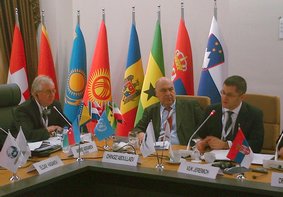
On Sunday 9 March 2014, the President of the Center for International Relations and Sustainable Development (CIRSD), Mr. Vuk Jeremić, together with CIRSD Executive Director Zdravko Ponos and CIRSD Senior Fellow Damjan Krnjević Mišković, attended the Annual General Assembly meeting of a prominent regional thinktank, the International Fund for Cooperation and Partnership of the Black Sea and Caspian Sea (BSCSIF).
A highlight of the meeting was the signing of an agreement between Mr. Jeremić on behalf of CIRSD and BSCSIF President Dr. Ismail Safi. The document establishes a framework to promote all-around cooperation, establish friendly exchanges and develop projects of mutual interest between the two public policy organizations.
In his remarks to the BSCSIF meeting, Mr. Jeremić spoke of the forthcoming centenary of the start of the First World War. He underscored how some observers are drawing parallels between diplomatic efforts in 1914 and those of 2014 in three theatres of significance: the Broader Middle East, East Asia, and the region encompassing the Black Sea and Caspian Sea basins. Mr. Jeremić informed the meeting that CIRSD will host a two-day conference in late May on this topic, entitled “European Tragedy of 1914 and the Multipolar World of 2014: Lessons Learned.”
The BSCSIF meeting took place in Istanbul, where the CIRSD delegation also met with representatives of a leading Turkish thinktank, the Turkish Asian Center for Strategic Studies (TASAM), including its Chairman, Mr. Süleyman Şensoy, who was accompanied by Mr. Süha Umar, Turkey’s former ambassador to the Republic of Serbia.
Established in 2009, the BSCSIF is a cross-border civil society initiative for launching common actions and strengthening peace, dialogue, harmony and cooperation between the countries of the wider Black Sea – Caspian Sea region in the field of enhancing democratic process, consolidation of civil society, economic development, environment, science, education, innovative technology, cultural diversity, tolerance and dialogue among civilizations. It enjoys Special Consultative Status with the United Nations Economic and Social Council (ECOSOC).
When Development Falters: The Cost of Europe’s Inward Turn
At a time of growing global uncertainty and polarization, it can often be difficult to pinpoint the specific moments that will have the most pronounced impact on the long-term strength of our international system.
Read more
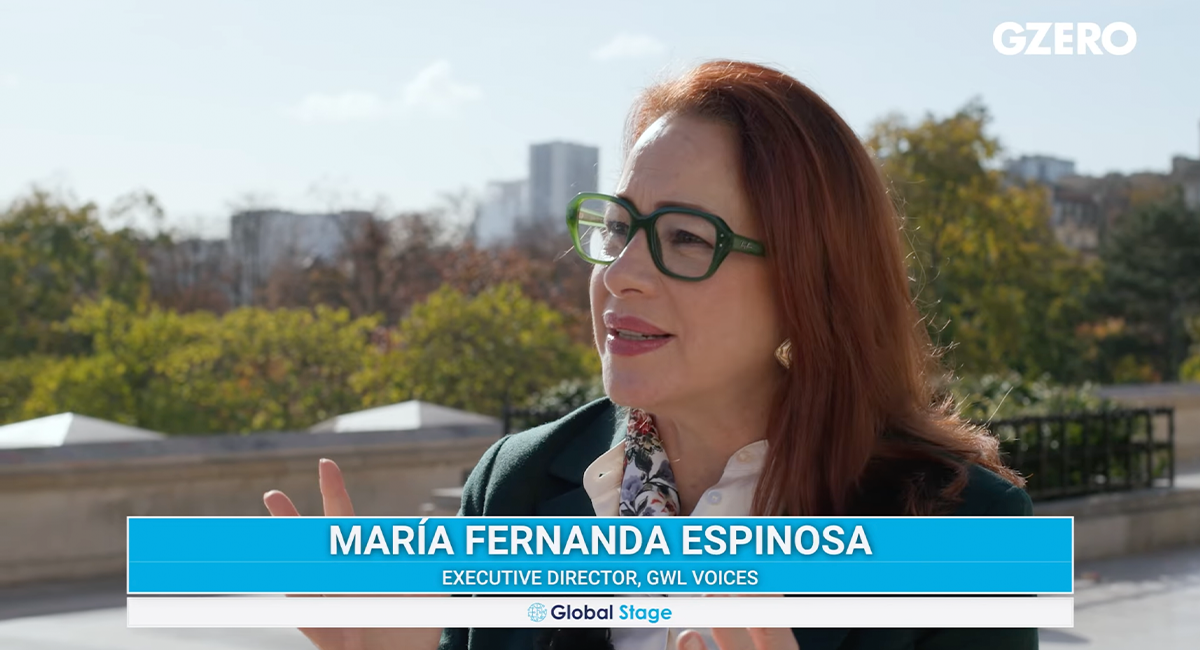
GPDI Co-Chair María Fernanda Espinosa Calls for UN Reform Centered on Preventive Diplomacy in Interview with GZERO Media
Paris — On the sidelines of the Paris Peace Forum, María Fernanda Espinosa, Co-Chair of the Global Preventive Diplomacy Initiative (GPDI) and former President of the United Nations General Assembly, spoke with GZERO Media’s Tony Maciulis about the urgent need to make global peace efforts more proactive through preventive diplomacy.
Read more
CIRSD Vice President Participates at International Conference on Responsible Management Education
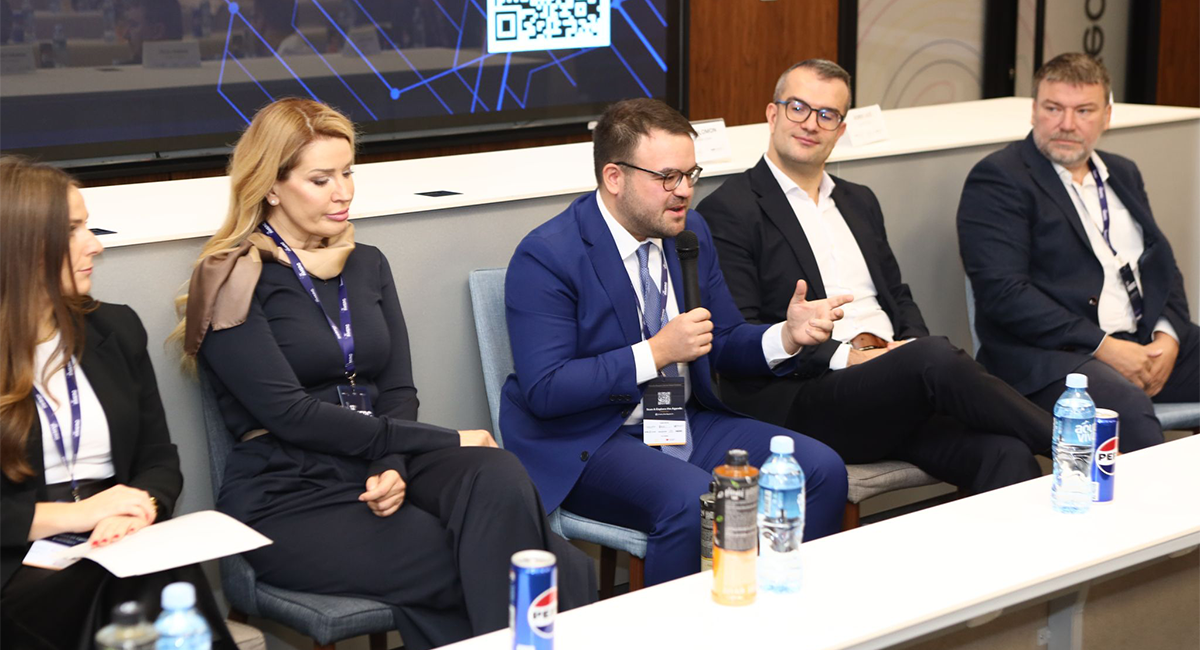
Belgrade, October 2025 — CIRSD Vice President Stefan Jovanović participated in the 12th Responsible Management Education Research Conference (RMERC), held last week in Belgrade. The event was organized by the University of Belgrade, Faculty of Organizational Sciences, and the Principles for Responsible Management Education (PRME) Anti-Poverty Working Group, bringing together representatives from academia, the business community, and international organizations from around the world.
Read more
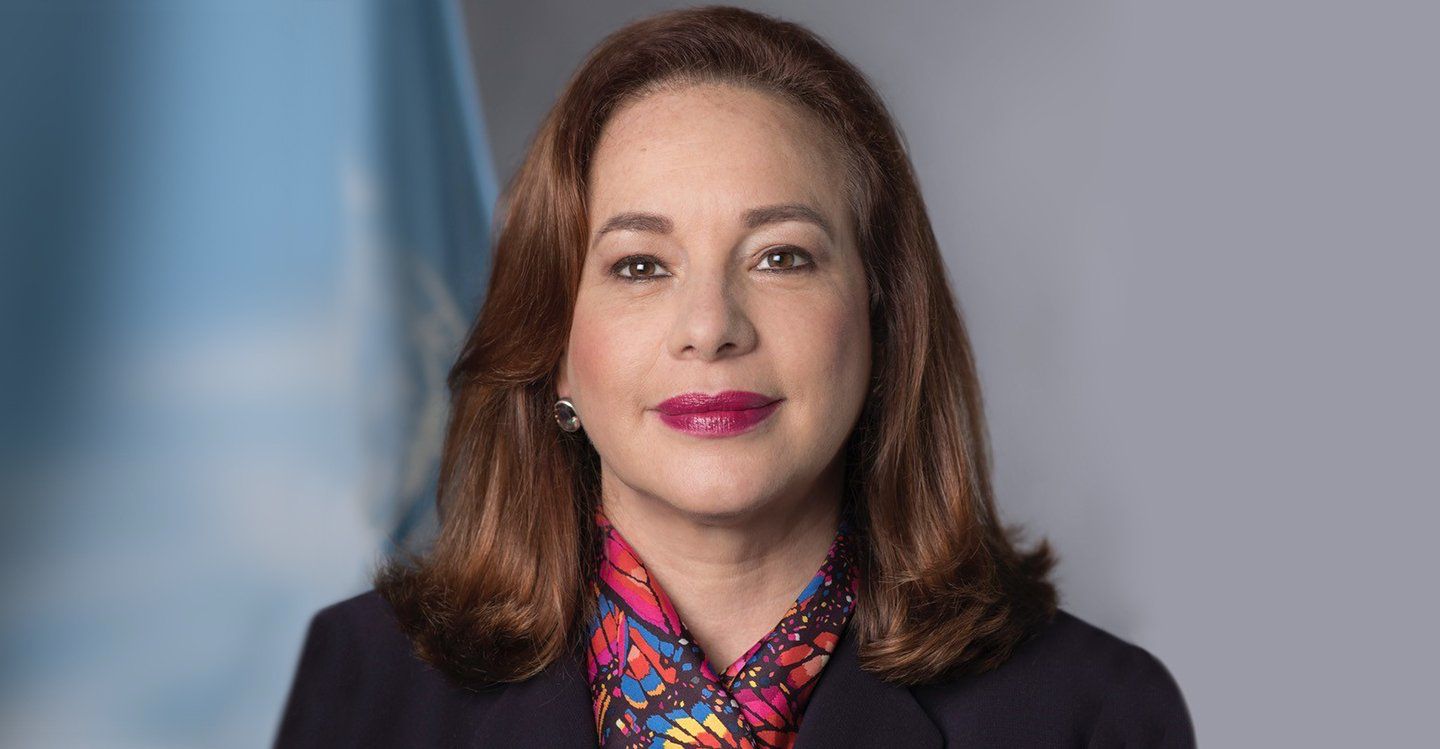
Maria Fernanda Espinosa Calls for Stronger Preventive Diplomacy as the UN Marks its 80th Anniversary
As the United Nations commemorates its 80th anniversary, Maria Fernanda Espinosa, former President of the UN General Assembly and Co-Chair of the Global Preventive Diplomacy Initiative (GPDI), spoke to CGTN’s flagship program The Agenda about the urgent need to modernize the UN and make preventive diplomacy the central pillar of its peace and security agenda.
Read more