CIRSD Program Director, Nikola Jovanović discusses French policies during the Cold War and beyond, the relationship of the Fifth Republic with Germany and how all these affected developments in the European Union, the European Continent and regions that some consider to be on its periphery.
"Madeleine Albright once argued that for one to understand Europe, one needs to be either a genius or French. Indeed, the European Community, established some ten years after the end of the Second World War, represented a project furthering predominantly French interests. For the first time since wars led by Napoleon, France distinguished itself as a leading Western European force, capable of securing its strategic autonomy from the rest of the great powers, including the United States. Such community of European states, reflected the French ideals of the continent in its core. At the time, the Community was portrayed as a political union ran by great powers exerting their influence on the rest of the world (which sometimes also implied military interventions).
Charles de Gaulle, the key French figure of the epoch, devoted much of his efforts to stimulate a development of a multipolar world. The idea of national sovereignty is a perpetual French obsession, materialized by de Gaulle through maintaining the veto power in the EC and developing a nuclear arsenal. Despite being an avid anti-communist, he occasionally obstructed US interests in Africa and Asia, treating thereby a dominance by one great power (for which he believed to be the US) as a potential threat to the French sovereignty."
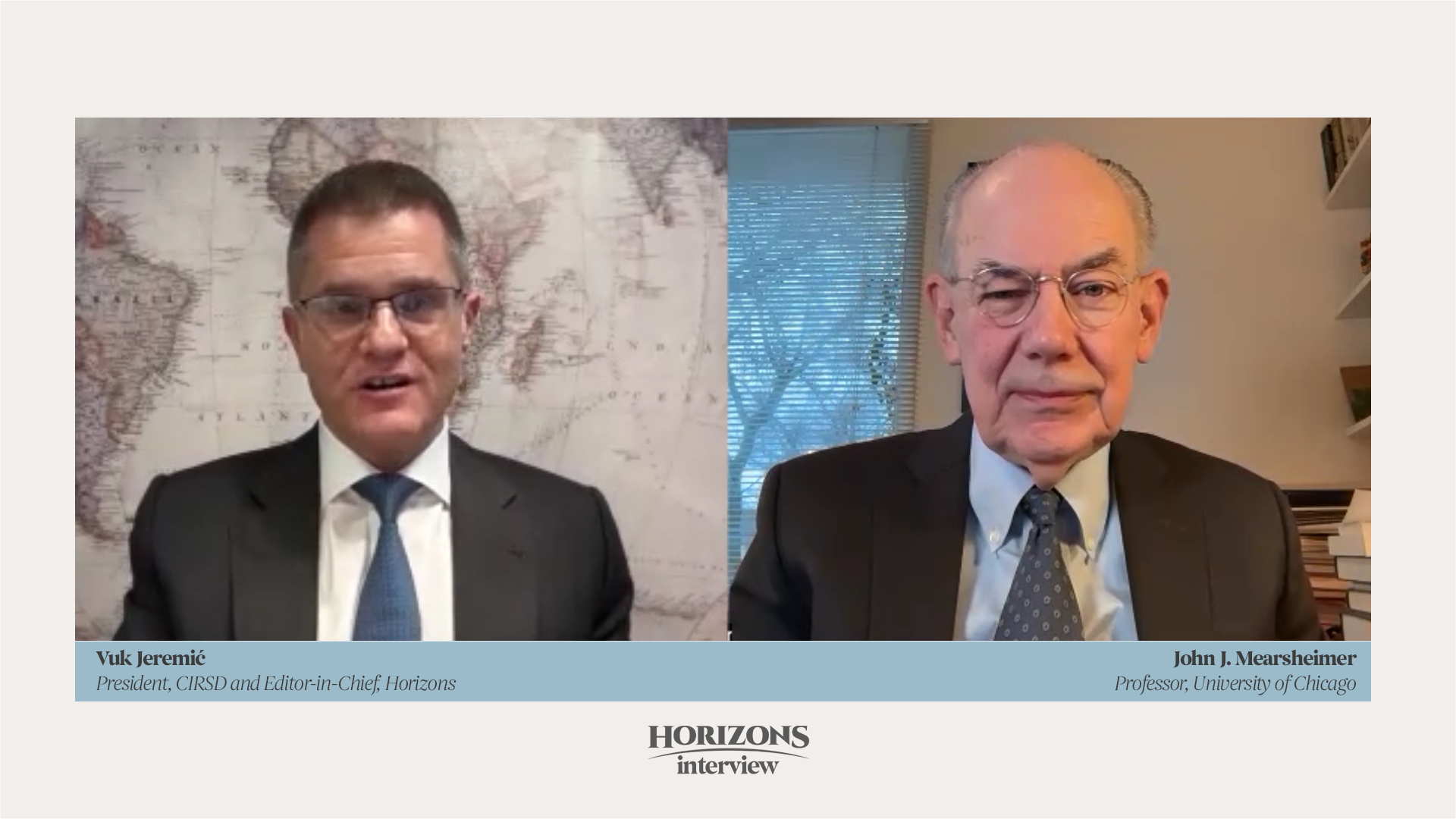
John J. Mearsheimer: The Return of Great-Power Politics
The Center for International Relations and Sustainable Development (CIRSD) has published a new Horizons Interviewwith Professor John J. Mearsheimer, one of the most influential political scientists of our time and the leading voice of structural realism in international relations. The interview was moderated by Vuk Jeremić, President of CIRSD and Editor-in-Chief of Horizons.
Read more
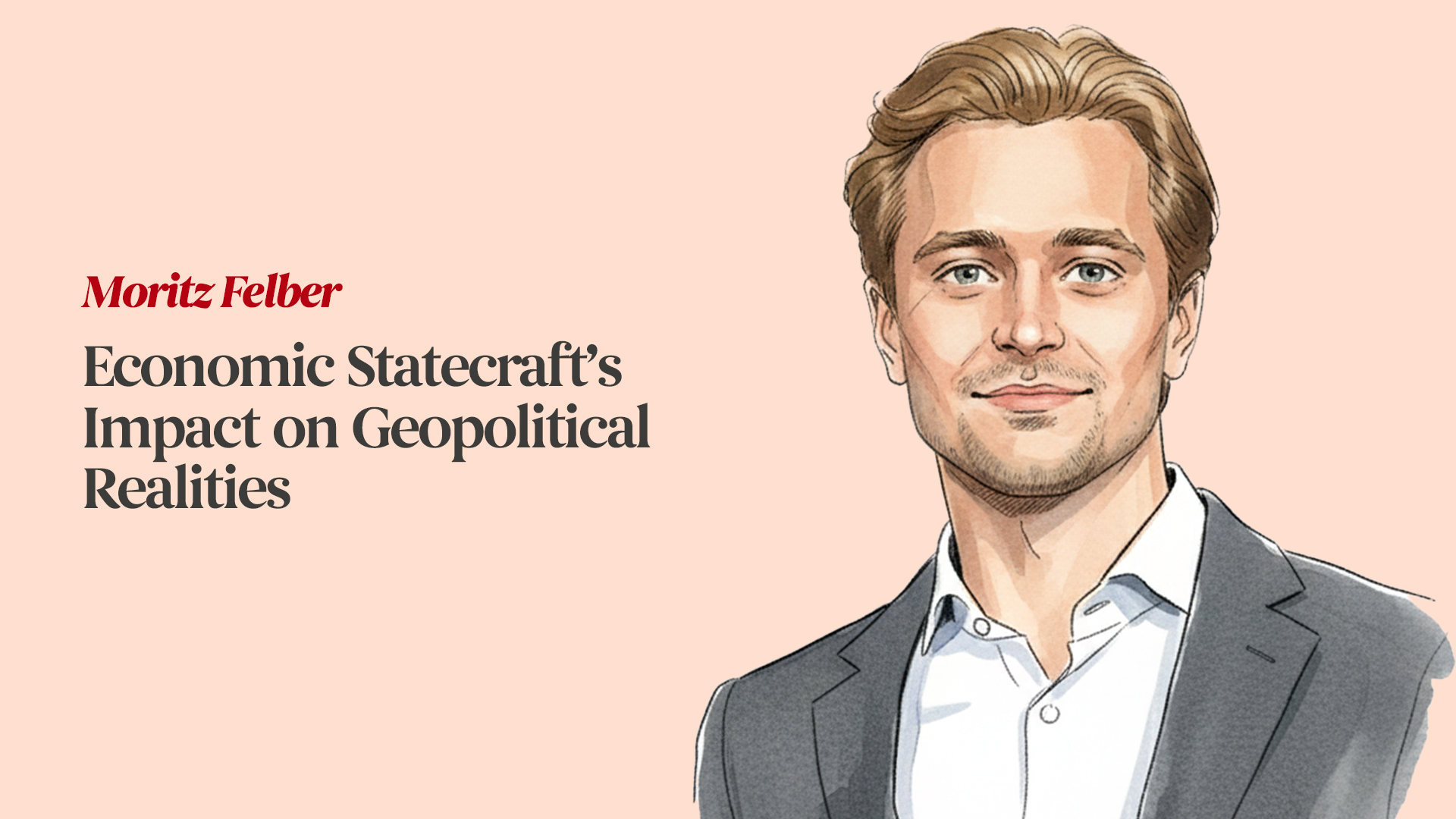
Economic Statecraft’s Impact on Geopolitical Realities
European Russophobia and Europe’s Rejection of Peace: A Two-Century Failure
Europe has repeatedly rejected peace with Russia at moments when a negotiated settlement was available, and those rejections have proven profoundly self-defeating.
Read more