Prof. Christopher Clark Speaks About WWI at CIRSD Conference
Prof. Christopher Clark Speaks About WWI at CIRSD Conference
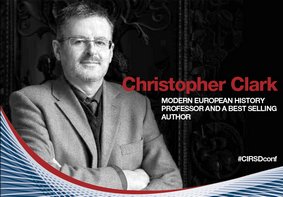
Professor Christopher Clark of the University of Cambridge participated in the international conference entitled "The European Tragedy of 1914 and the Multipolar World of 2014: Lessons Learned" on 30-31 May 2014, organized by the Center for International Relations and Sustainable Development (CIRSD). He took part in a panel discussion on “The Coming of World War I: What Kind of Failure?”, which sought to provide some clarity to the question of whether the outbreak of the Great War in August 1914 was a failure of diplomacy, or a failure of foresight on the part of political and military elites, who went to war open-eyed but miscalculated consequences.
His full-length opening statement can be viewed here.
After the conference, Professor Clark stated that CIRSD has done a fantastic job in bringing together high profile political figures and interesting thinkers and academic people to reflect on geopolitical problems in a historical setting, noting that the resulting conference produced a rich debate that has brought to light many parallels between the world of 1914 and the world of today.
His full post-conference statement can be viewed here.
Christopher Clark is a Professor of Modern European History at the University of Cambridge and a Fellow of St Catharine's College, as well as a Fellow of the Australian Academy of Humanities. He is the author of various books on modern German and European history, including the one on the history of Prussia entitled Iron Kingdom: The Rise and Downfall of Prussia 1600-1947 (2006). His latest book is a study of the outbreak of the First World War entitled The Sleepwalkers: How Europe Went to War in 1914 (2012)
When Development Falters: The Cost of Europe’s Inward Turn
At a time of growing global uncertainty and polarization, it can often be difficult to pinpoint the specific moments that will have the most pronounced impact on the long-term strength of our international system.
Read more
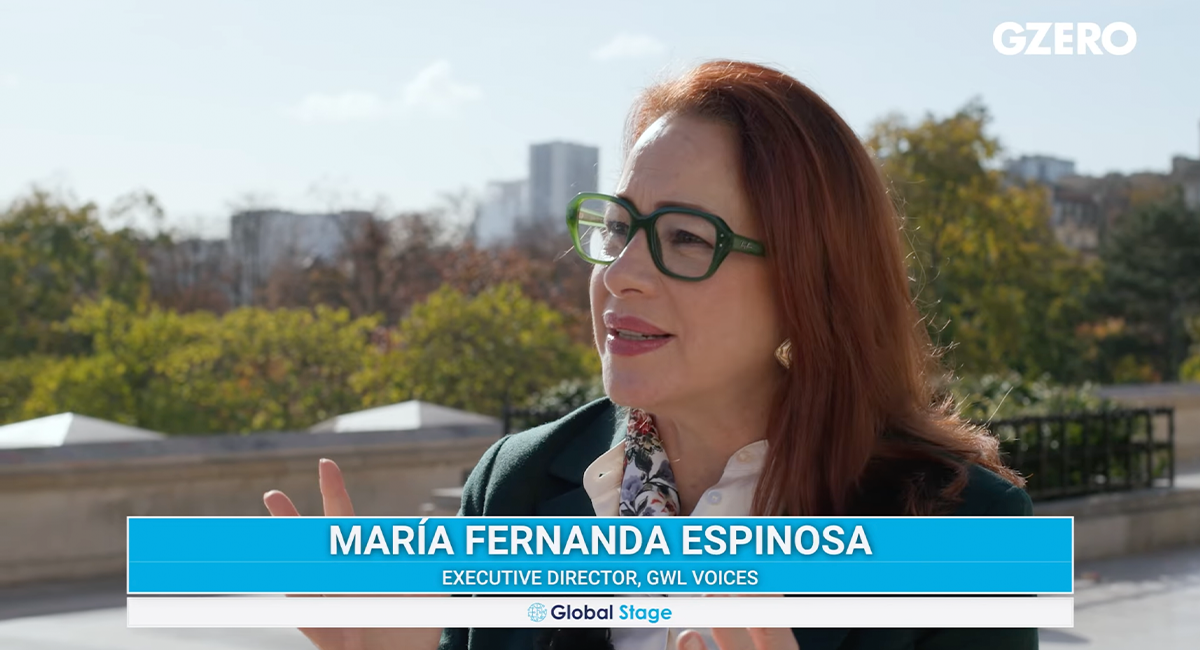
GPDI Co-Chair María Fernanda Espinosa Calls for UN Reform Centered on Preventive Diplomacy in Interview with GZERO Media
Paris — On the sidelines of the Paris Peace Forum, María Fernanda Espinosa, Co-Chair of the Global Preventive Diplomacy Initiative (GPDI) and former President of the United Nations General Assembly, spoke with GZERO Media’s Tony Maciulis about the urgent need to make global peace efforts more proactive through preventive diplomacy.
Read more
CIRSD Vice President Participates at International Conference on Responsible Management Education
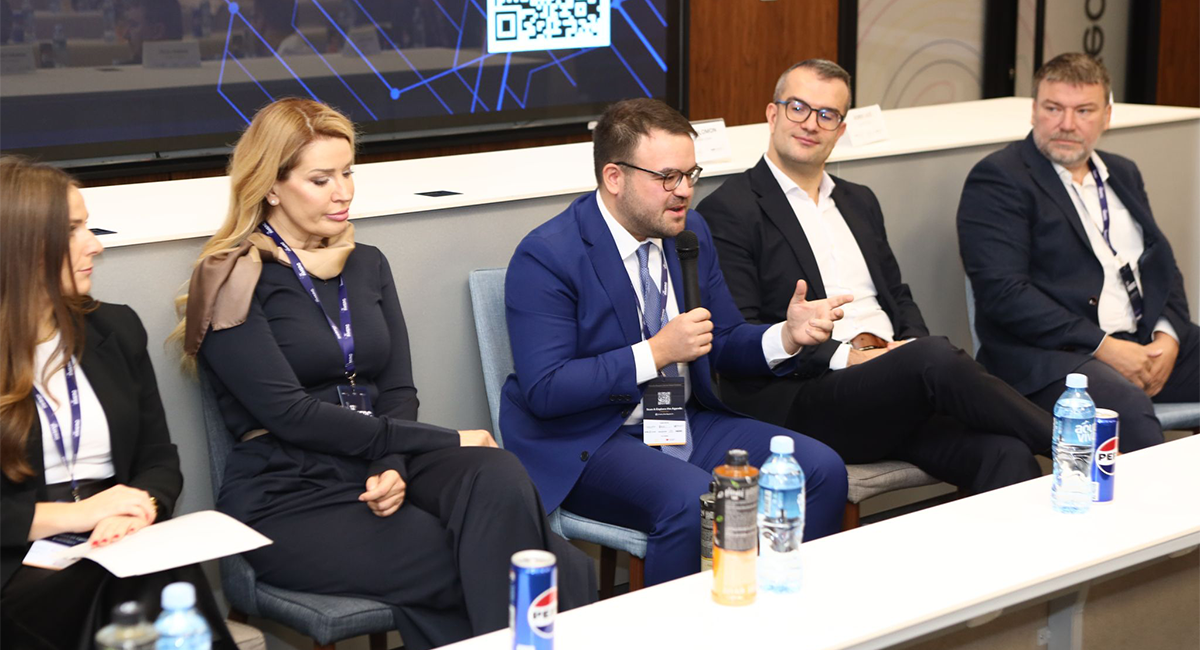
Belgrade, October 2025 — CIRSD Vice President Stefan Jovanović participated in the 12th Responsible Management Education Research Conference (RMERC), held last week in Belgrade. The event was organized by the University of Belgrade, Faculty of Organizational Sciences, and the Principles for Responsible Management Education (PRME) Anti-Poverty Working Group, bringing together representatives from academia, the business community, and international organizations from around the world.
Read more
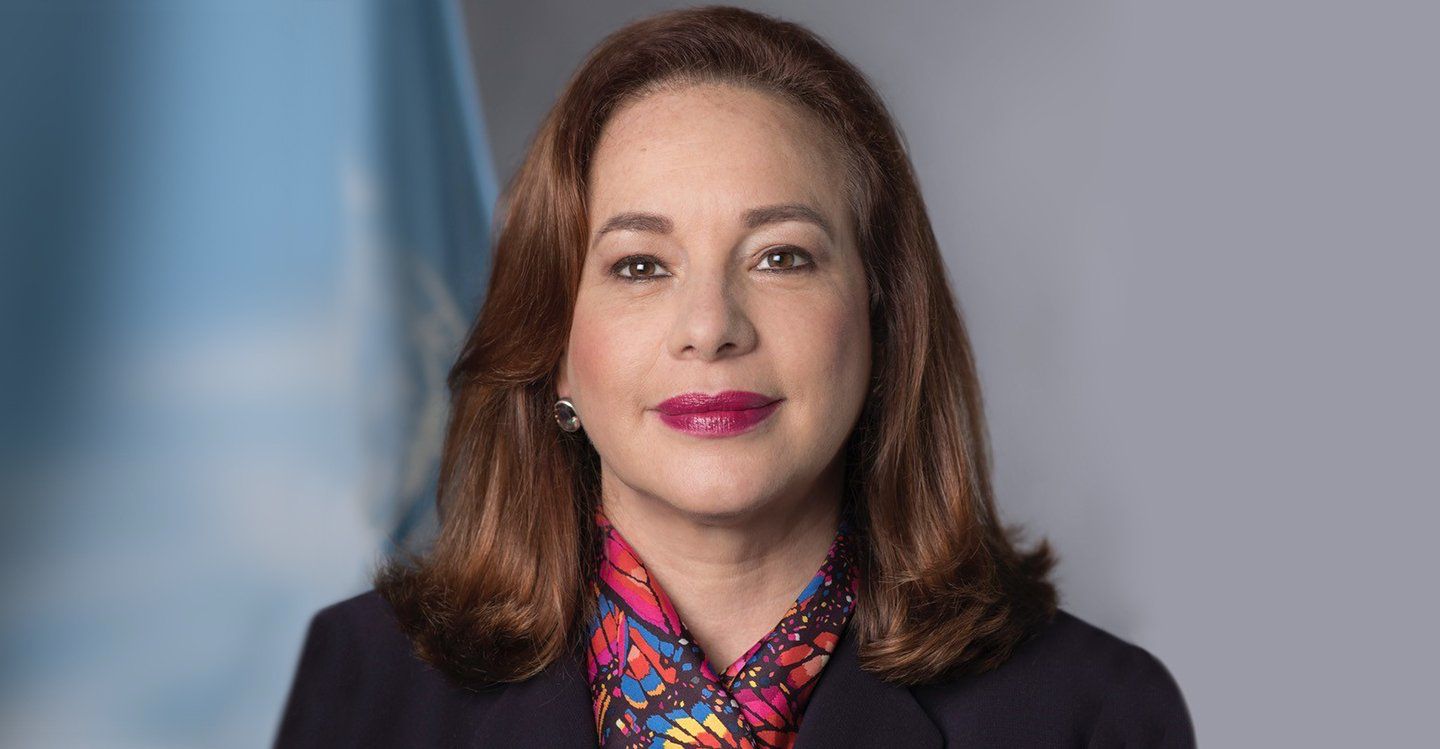
Maria Fernanda Espinosa Calls for Stronger Preventive Diplomacy as the UN Marks its 80th Anniversary
As the United Nations commemorates its 80th anniversary, Maria Fernanda Espinosa, former President of the UN General Assembly and Co-Chair of the Global Preventive Diplomacy Initiative (GPDI), spoke to CGTN’s flagship program The Agenda about the urgent need to modernize the UN and make preventive diplomacy the central pillar of its peace and security agenda.
Read more