President Joe Biden and his team came into office understandably hoping to deprioritize the Israeli-Palestinian conflict. They saw Washington-led negotiations as a trap that had ensnared previous U.S. administrations, and the prospects for progress looked bleaker than ever.
But some issues can’t be ignored. As last month’s escalation between Israel and Hamas underscored, the Israeli-Palestinian conflict requires regular U.S. engagement to avoid spasms of violence that sap Washington’s ability to deal with other priorities.
The Biden administration isn’t wrong to eschew yet another round of high-profile negotiations. The conflict isn’t ripe for resolution. But Biden does need a concerted strategy to improve the trajectory of the conflict—and to prevent periodic flare-ups—while still preserving the possibility of a two-state solution. The surprise ouster of Israeli Prime Minister Benjamin Netanyahu last week, and the inauguration of a new Israeli government led by the conservative Naftali Bennett and the centrist Yair Lapid, offers Biden a unique opportunity to do just that.
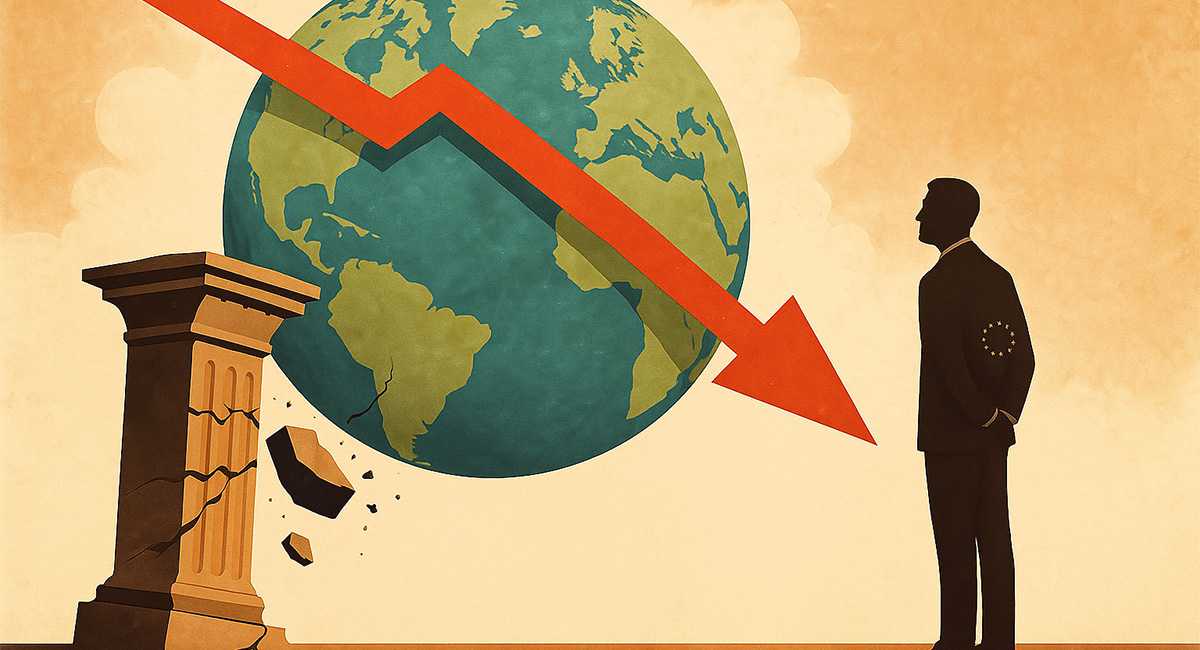
When Development Falters: The Cost of Europe’s Inward Turn
At a time of growing global uncertainty and polarization, it can often be difficult to pinpoint the specific moments that will have the most pronounced impact on the long-term strength of our international system.
Read more
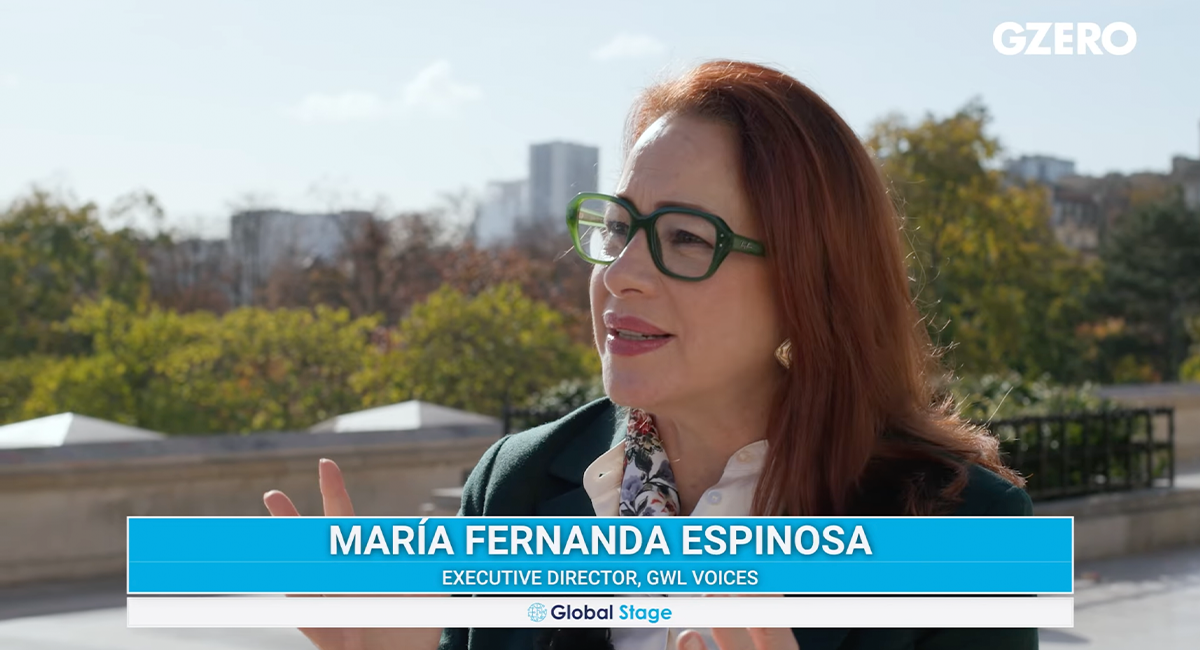
GPDI Co-Chair María Fernanda Espinosa Calls for UN Reform Centered on Preventive Diplomacy in Interview with GZERO Media
Paris — On the sidelines of the Paris Peace Forum, María Fernanda Espinosa, Co-Chair of the Global Preventive Diplomacy Initiative (GPDI) and former President of the United Nations General Assembly, spoke with GZERO Media’s Tony Maciulis about the urgent need to make global peace efforts more proactive through preventive diplomacy.
Read more
CIRSD Vice President Participates at International Conference on Responsible Management Education
Belgrade, October 2025 — CIRSD Vice President Stefan Jovanović participated in the 12th Responsible Management Education Research Conference (RMERC), held last week in Belgrade. The event was organized by the University of Belgrade, Faculty of Organizational Sciences, and the Principles for Responsible Management Education (PRME) Anti-Poverty Working Group, bringing together representatives from academia, the business community, and international organizations from around the world.
Read more
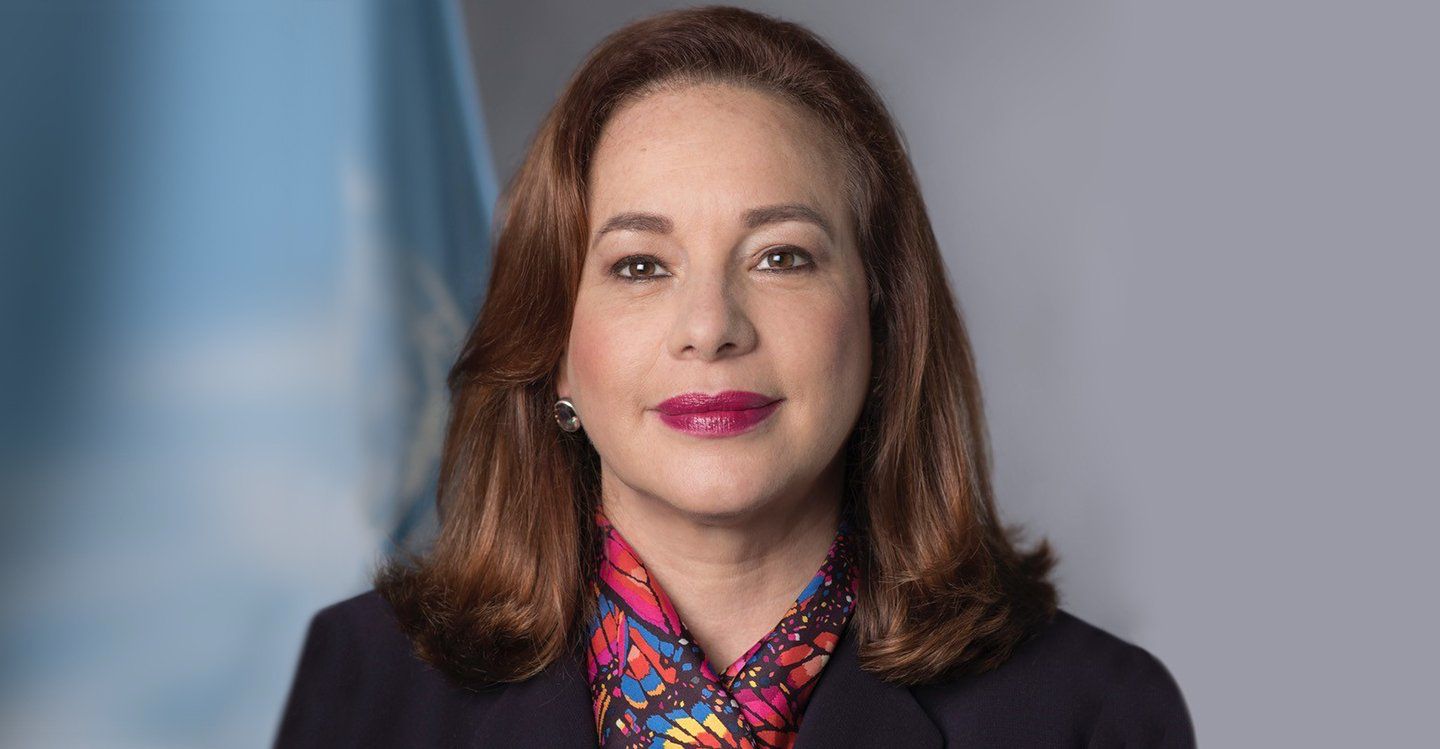
Maria Fernanda Espinosa Calls for Stronger Preventive Diplomacy as the UN Marks its 80th Anniversary
As the United Nations commemorates its 80th anniversary, Maria Fernanda Espinosa, former President of the UN General Assembly and Co-Chair of the Global Preventive Diplomacy Initiative (GPDI), spoke to CGTN’s flagship program The Agenda about the urgent need to modernize the UN and make preventive diplomacy the central pillar of its peace and security agenda.
Read more

 Author: