GPDI Co-Chair María Fernanda Espinosa Calls for UN Reform Centered on Preventive Diplomacy in Interview with GZERO Media
GPDI Co-Chair María Fernanda Espinosa Calls for UN Reform Centered on Preventive Diplomacy in Interview with GZERO Media
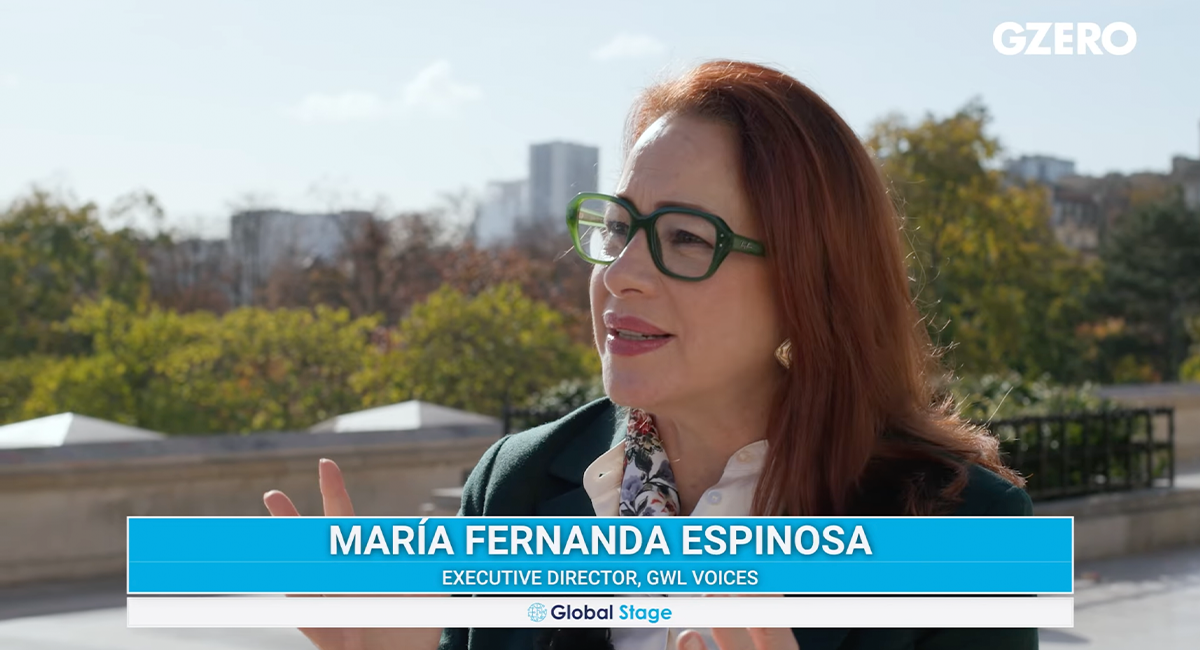
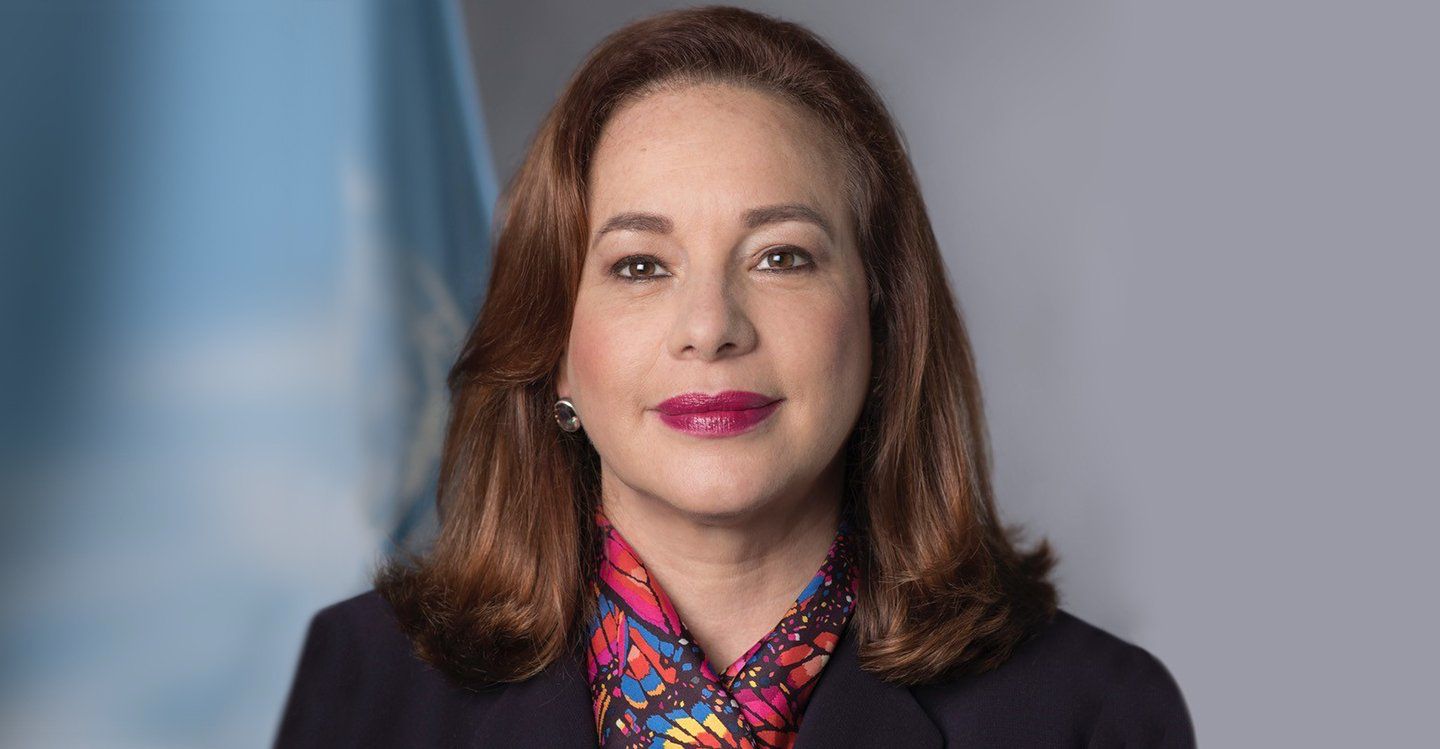
Paris — On the sidelines of the Paris Peace Forum, María Fernanda Espinosa, Co-Chair of the Global Preventive Diplomacy Initiative (GPDI) and former President of the United Nations General Assembly, spoke with GZERO Media’s Tony Maciulis about the urgent need to make global peace efforts more proactive through preventive diplomacy.
Espinosa stressed that meaningful UN reform must begin with a shift from reaction to prevention. “It means building peace, having a very strong and well-equipped intellectually oversight machinery, to have a scenario-building machinery, to have early warning systems in place,” she said. Calling for “a refocus, not austerity,” she emphasized the need to strengthen early-warning systems and institutional foresight. “One dollar in prevention saves a thousand in response,” she noted, highlighting both the cost-effectiveness and the moral imperative of preventive action.
Addressing the global climate agenda, Espinosa warned that current progress “is not matching the science” and urged accelerated collective action ahead of COP30 in Brazil. She underscored that Latin America must lead with unity and resilience, positioning the region as a constructive force in advancing global sustainability and cooperation.
Her remarks echo the mission of the Global Preventive Diplomacy Initiative (GPDI) — a joint effort co-chaired by two former Presidents of the UN General Assembly, María Fernanda Espinosa and Vuk Jeremić, which promotes early-warning mechanisms, mediation networks, and cross-regional cooperation to prevent the outbreak of violent conflict and strengthen global stability.
When Development Falters: The Cost of Europe’s Inward Turn
At a time of growing global uncertainty and polarization, it can often be difficult to pinpoint the specific moments that will have the most pronounced impact on the long-term strength of our international system.
Read more
GPDI Co-Chair María Fernanda Espinosa Calls for UN Reform Centered on Preventive Diplomacy in Interview with GZERO Media
Paris — On the sidelines of the Paris Peace Forum, María Fernanda Espinosa, Co-Chair of the Global Preventive Diplomacy Initiative (GPDI) and former President of the United Nations General Assembly, spoke with GZERO Media’s Tony Maciulis about the urgent need to make global peace efforts more proactive through preventive diplomacy.
Read more
CIRSD Vice President Participates at International Conference on Responsible Management Education
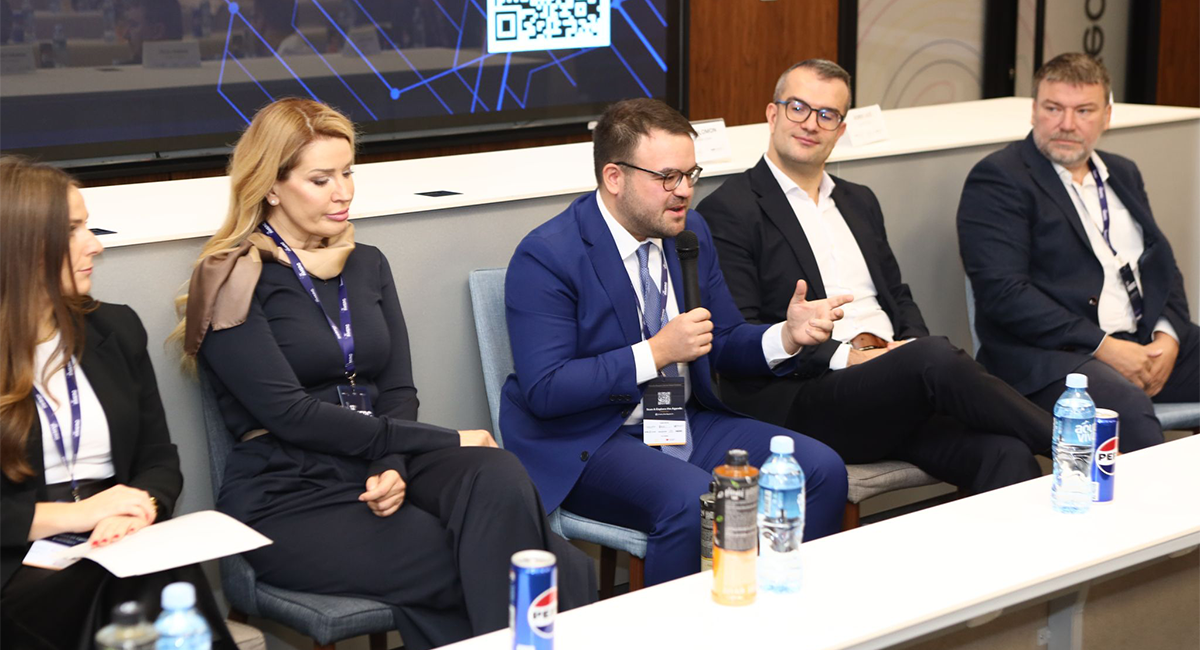
Belgrade, October 2025 — CIRSD Vice President Stefan Jovanović participated in the 12th Responsible Management Education Research Conference (RMERC), held last week in Belgrade. The event was organized by the University of Belgrade, Faculty of Organizational Sciences, and the Principles for Responsible Management Education (PRME) Anti-Poverty Working Group, bringing together representatives from academia, the business community, and international organizations from around the world.
Read more
Maria Fernanda Espinosa Calls for Stronger Preventive Diplomacy as the UN Marks its 80th Anniversary
As the United Nations commemorates its 80th anniversary, Maria Fernanda Espinosa, former President of the UN General Assembly and Co-Chair of the Global Preventive Diplomacy Initiative (GPDI), spoke to CGTN’s flagship program The Agenda about the urgent need to modernize the UN and make preventive diplomacy the central pillar of its peace and security agenda.
Read more