Commentary: Nice attack – the wider threat to France
Commentary: Nice attack – the wider threat to France
Author: Peter Apps
With the death of the driver who plowed his truck through dozens of French civilians in Nice,it may take a while for authorities to get to the bottom of what motivated the attack. The broader picture, however, looks unpleasantly clear: mainland Europe, and France in particular, is facing a vicious, repeated string of attacks that are hard to stop and likely to produce evermore unpredictable political consequences.
In France alone, well over 200 civilians have now been killed since attackers targeted a kosher supermarket and the offices of the satirical magazine Charlie Hebdo in January 2015. And while the vast majority of deaths occurred in just three events – that killing, the assault in Paris on November 13 and now the Bastille Day truck attack in Nice – it appears that much smaller, more limited but still often deadly strikes are also on the rise.
It’s not just France, of course, but for now that country appears the most at risk. According to European security officials, the March 22 Brussels attack that left 35 dead, including three perpetrators, also had been intended for French soil. In response, the country has mobilized on an almost wartime scale, with troops on the streets and a national state of emergency.
Only hours before the attack in Nice, President François Hollande had ironically announced that the state of emergency imposed after November's attacks would be lifted at the end of the month.
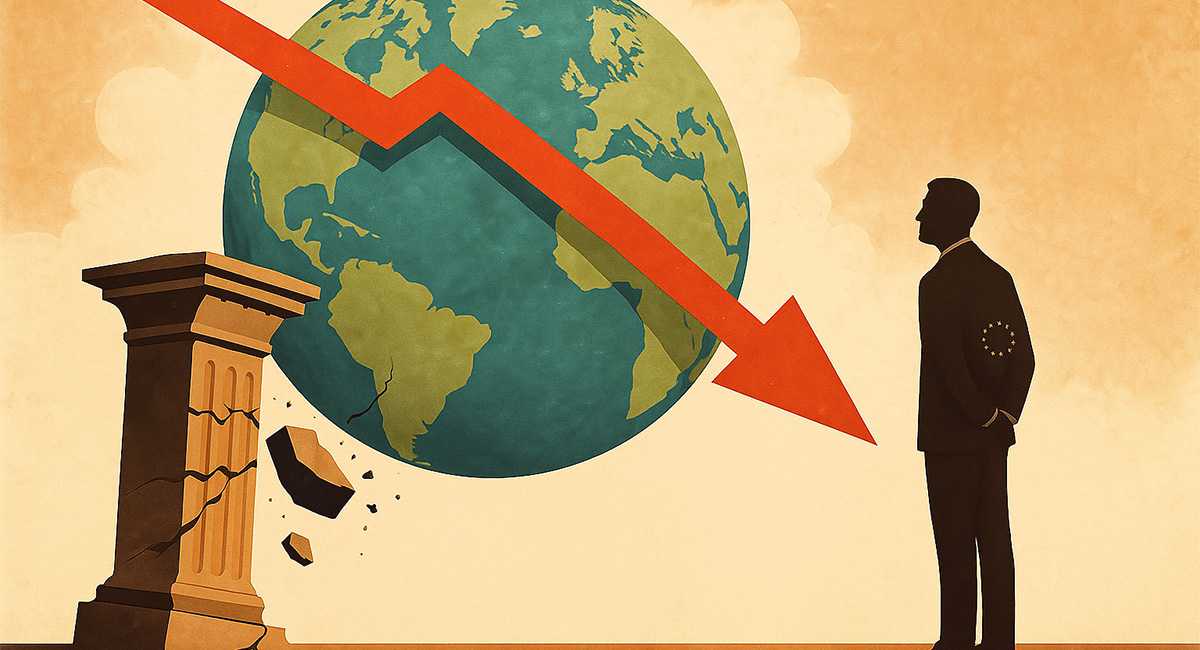
When Development Falters: The Cost of Europe’s Inward Turn
At a time of growing global uncertainty and polarization, it can often be difficult to pinpoint the specific moments that will have the most pronounced impact on the long-term strength of our international system.
Read more
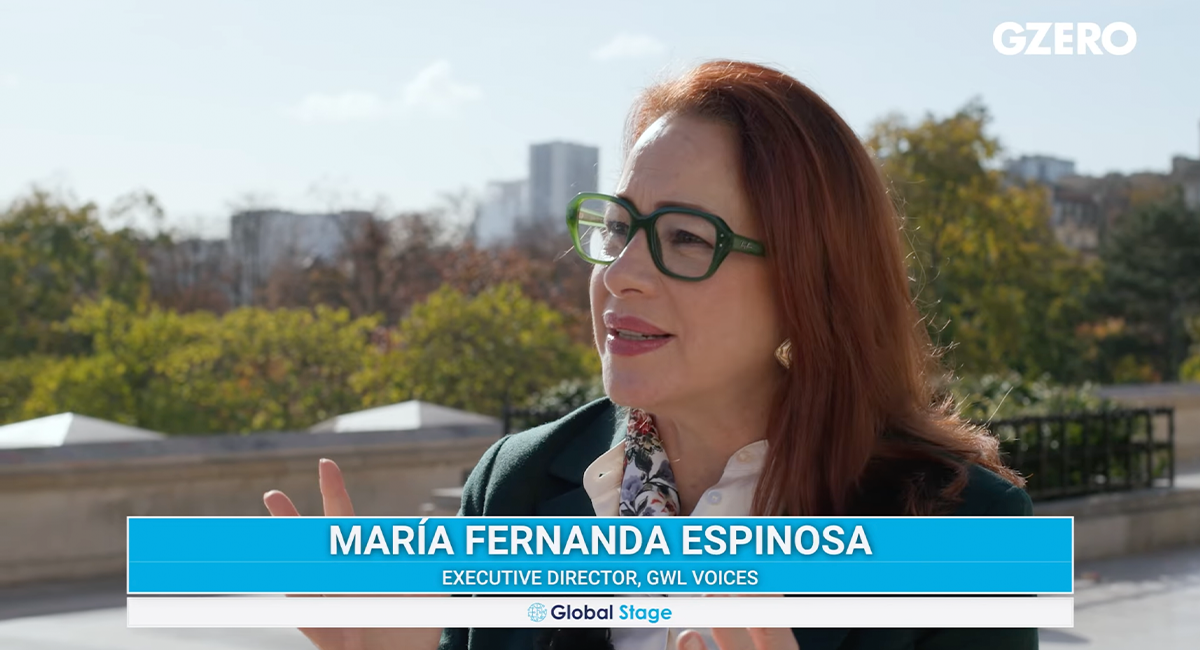
GPDI Co-Chair María Fernanda Espinosa Calls for UN Reform Centered on Preventive Diplomacy in Interview with GZERO Media
Paris — On the sidelines of the Paris Peace Forum, María Fernanda Espinosa, Co-Chair of the Global Preventive Diplomacy Initiative (GPDI) and former President of the United Nations General Assembly, spoke with GZERO Media’s Tony Maciulis about the urgent need to make global peace efforts more proactive through preventive diplomacy.
Read more
CIRSD Vice President Participates at International Conference on Responsible Management Education
Belgrade, October 2025 — CIRSD Vice President Stefan Jovanović participated in the 12th Responsible Management Education Research Conference (RMERC), held last week in Belgrade. The event was organized by the University of Belgrade, Faculty of Organizational Sciences, and the Principles for Responsible Management Education (PRME) Anti-Poverty Working Group, bringing together representatives from academia, the business community, and international organizations from around the world.
Read more
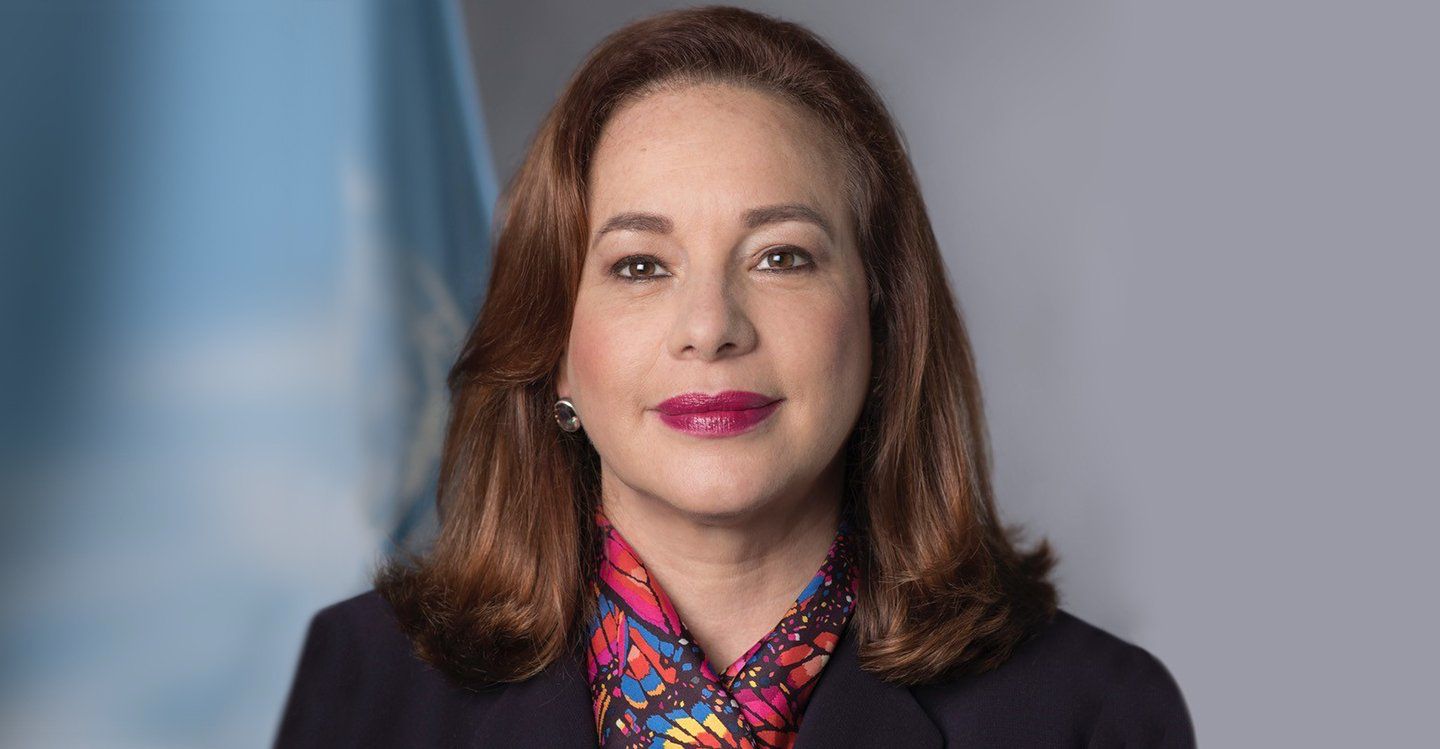
Maria Fernanda Espinosa Calls for Stronger Preventive Diplomacy as the UN Marks its 80th Anniversary
As the United Nations commemorates its 80th anniversary, Maria Fernanda Espinosa, former President of the UN General Assembly and Co-Chair of the Global Preventive Diplomacy Initiative (GPDI), spoke to CGTN’s flagship program The Agenda about the urgent need to modernize the UN and make preventive diplomacy the central pillar of its peace and security agenda.
Read more

 Author:
 With the death of the driver who plowed his truck through dozens of French civilians in Nice,it may take a while for authorities to get to the bottom of what motivated the attack. The broader picture, however, looks unpleasantly clear: mainland Europe, and France in particular, is facing a vicious, repeated string of attacks that are hard to stop and likely to produce evermore unpredictable political consequences.