Fifty Thousand Americans Dead from the Coronavirus, and a President Who Refuses to Mourn Them
Fifty Thousand Americans Dead from the Coronavirus, and a President Who Refuses to Mourn Them
Author: Suzan B. Glasser
In just the past few days, President Trump has blamed immigrants, China, the “fake news” and, of course, “the invisible enemy” of the coronavirus for America’s present troubles. He has opined extemporaneously about his plans to hold a grand Fourth of July celebration on the National Mall and has announced that he planted a tree on the White House lawn in honor of Earth Day.
He has offered his opinion on matters small and large, bragged about himself as “the king of ventilators,” and spent much time lamenting the pandemic-inflicted passing of what he invariably (and inaccurately) calls “the greatest economy in the history of the world.”
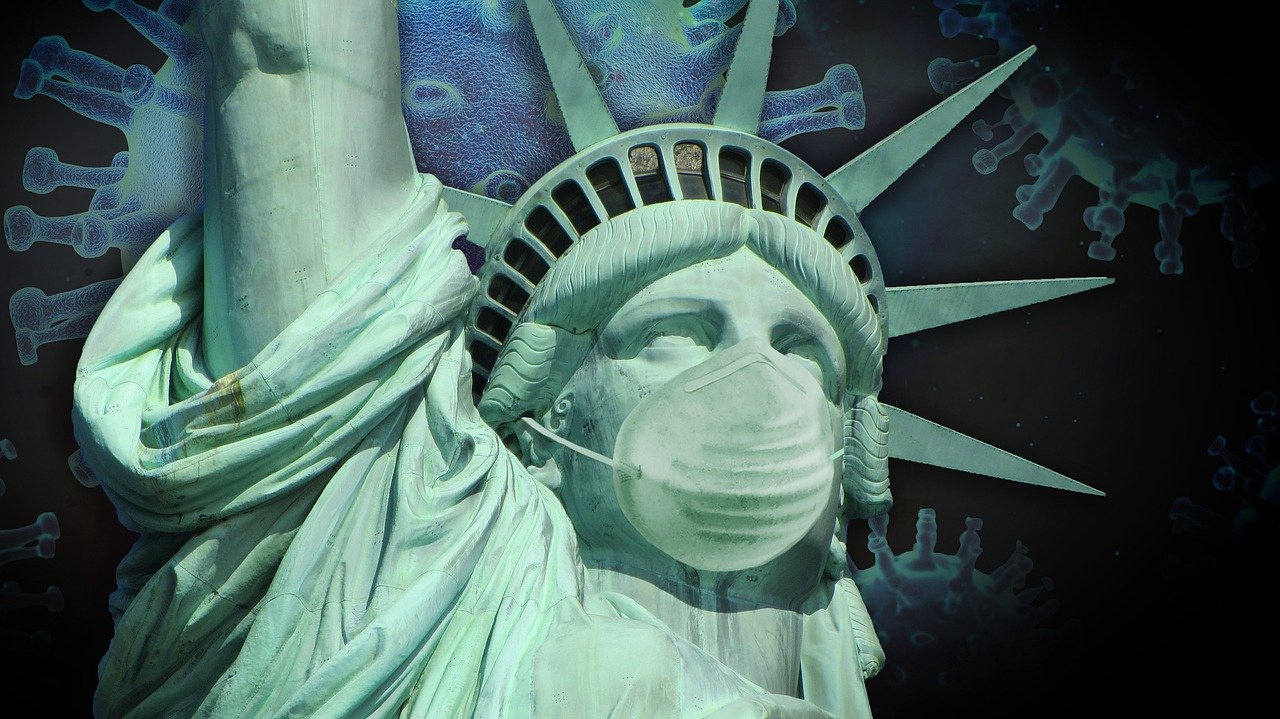
Despite the flood of words, though, what has struck me the most this week is what Trump does not talk about: the mounting toll of those who have died in this crisis. So voluble that he regularly talks well past dinnertime at his nightly briefings, the President somehow never seems to find time to pay tribute to those who have been lost, aside from reading an occasional scripted line or two at the start of his lengthy press conferences, or a brief mention of a friend in New York who died of the disease soon after calling him at the White House. “He said, ‘I tested positive.’ Four days later he was dead,” the President recounted. “So this is a tough deal.” It was not exactly the prayerful, if often politically expedient, mournfulness Americans generally expect of their elected leaders. Trump, for the most part, dispenses even with the ritualistic clichés that other politicians, regardless of party or creed, have always offered in times of crisis.
[VIDEO] Ian Bremmer: The World Moves Too Fast for “Geopolitical Centuries” | Horizons Interview
Horizons presents an exclusive interview with Ian Bremmer, President and Founder of Eurasia Group and GZERO Media. The conversation explores the current state of global affairs, including the idea of a “geopolitical recession,” the rise of Asia, shifts in the domestic political landscape in the United States, transatlantic relations, the future of global governance, as well as the growing impact of artificial intelligence on international stability and economic transformation. The interview was conducted by Horizons Editor in Chief Vuk Jeremić and recorded in November 2025.
Read more
Horizons Discussion with Jeffrey Sachs on the Asia-Pacific Century
The Center for International Relations and Sustainable Development (CIRSD) hosted a high-level Horizons Discussion featuring Professor Jeffrey D. Sachs, one of the world’s most renowned intellectuals, in conversation with Vuk Jeremić, President of CIRSD and Editor-in-Chief of Horizons. The event marked the launch of the 32nd volume of Horizons, titled The Asia-Pacific Century.
Read more
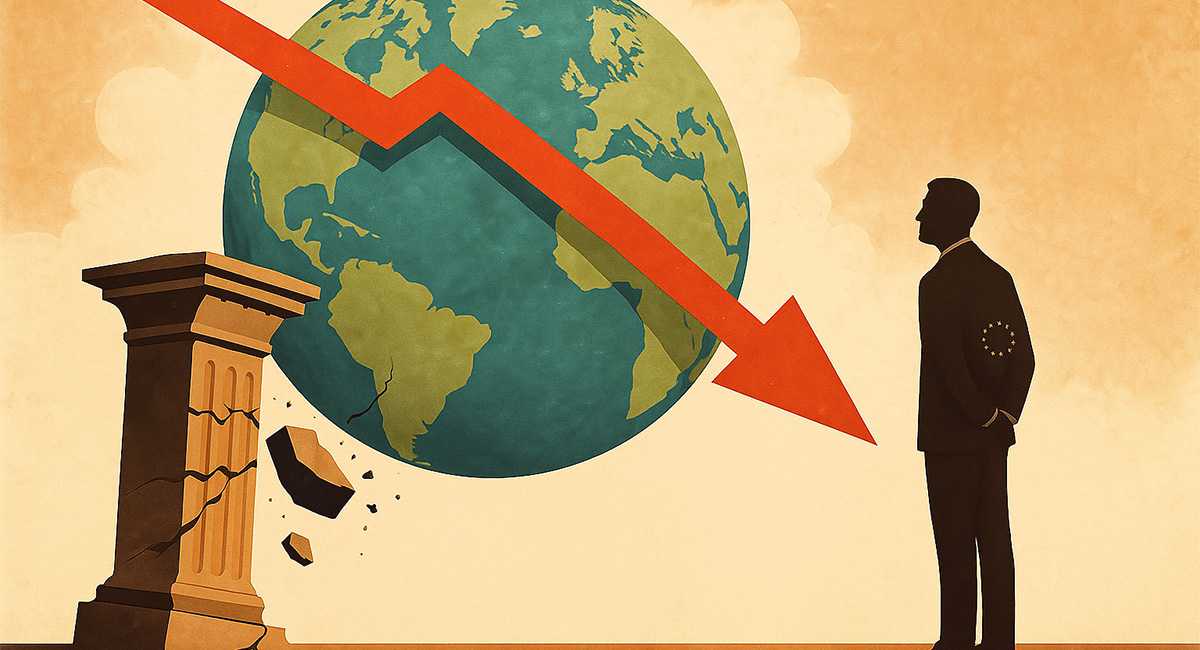
When Development Falters: The Cost of Europe’s Inward Turn
At a time of growing global uncertainty and polarization, it can often be difficult to pinpoint the specific moments that will have the most pronounced impact on the long-term strength of our international system.
Read more
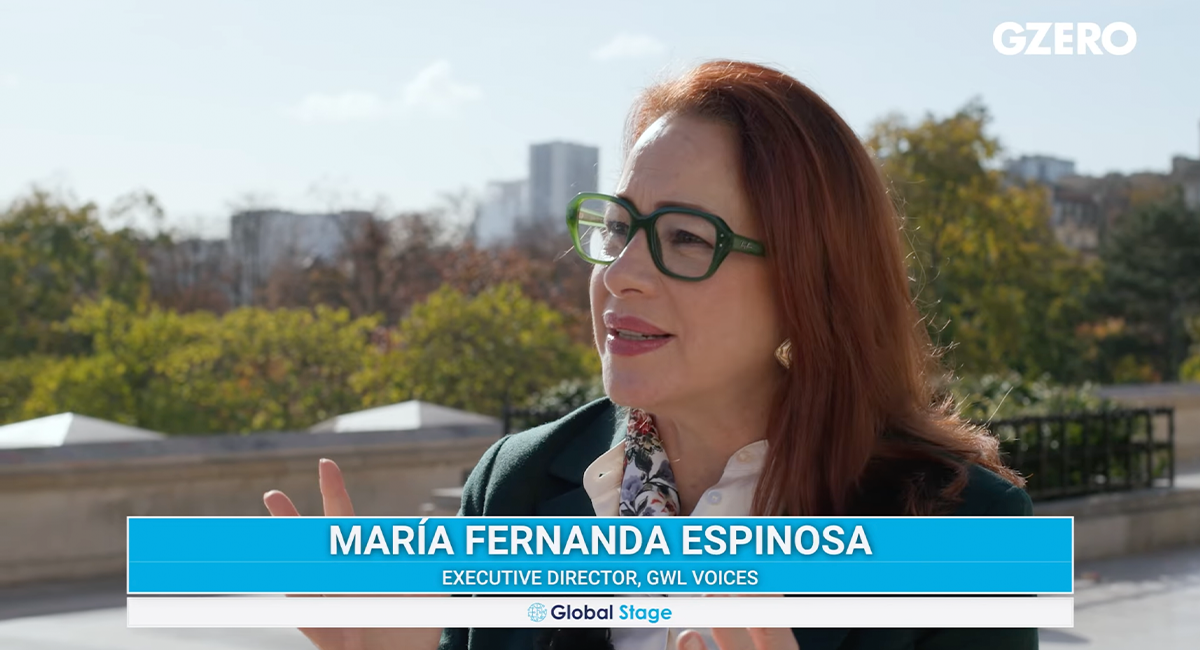
GPDI Co-Chair María Fernanda Espinosa Calls for UN Reform Centered on Preventive Diplomacy in Interview with GZERO Media
Paris — On the sidelines of the Paris Peace Forum, María Fernanda Espinosa, Co-Chair of the Global Preventive Diplomacy Initiative (GPDI) and former President of the United Nations General Assembly, spoke with GZERO Media’s Tony Maciulis about the urgent need to make global peace efforts more proactive through preventive diplomacy.
Read more

 Author: