Gulf state lobbying efforts show that US foreign policy for the Middle East is driven more by special than national interests
It was a bare-knuckle brawl of the first order. It took place in Washington, DC, and it resulted in a KO. The winners? Lobbyists and the defense industry. The loser? The United States. And, odds on, you didn’t even know that it happened.
Few Americans did, which is why it’s worth telling the story of how Saudi, Emirati and Qatari money flooded the nation’s capital and, in the process, American policy went down for the count.
The fight began three years ago this month. Sure, the pugilists hadn’t really liked each other that much before then, but what happened was the foreign-policy equivalent of a sucker punch.
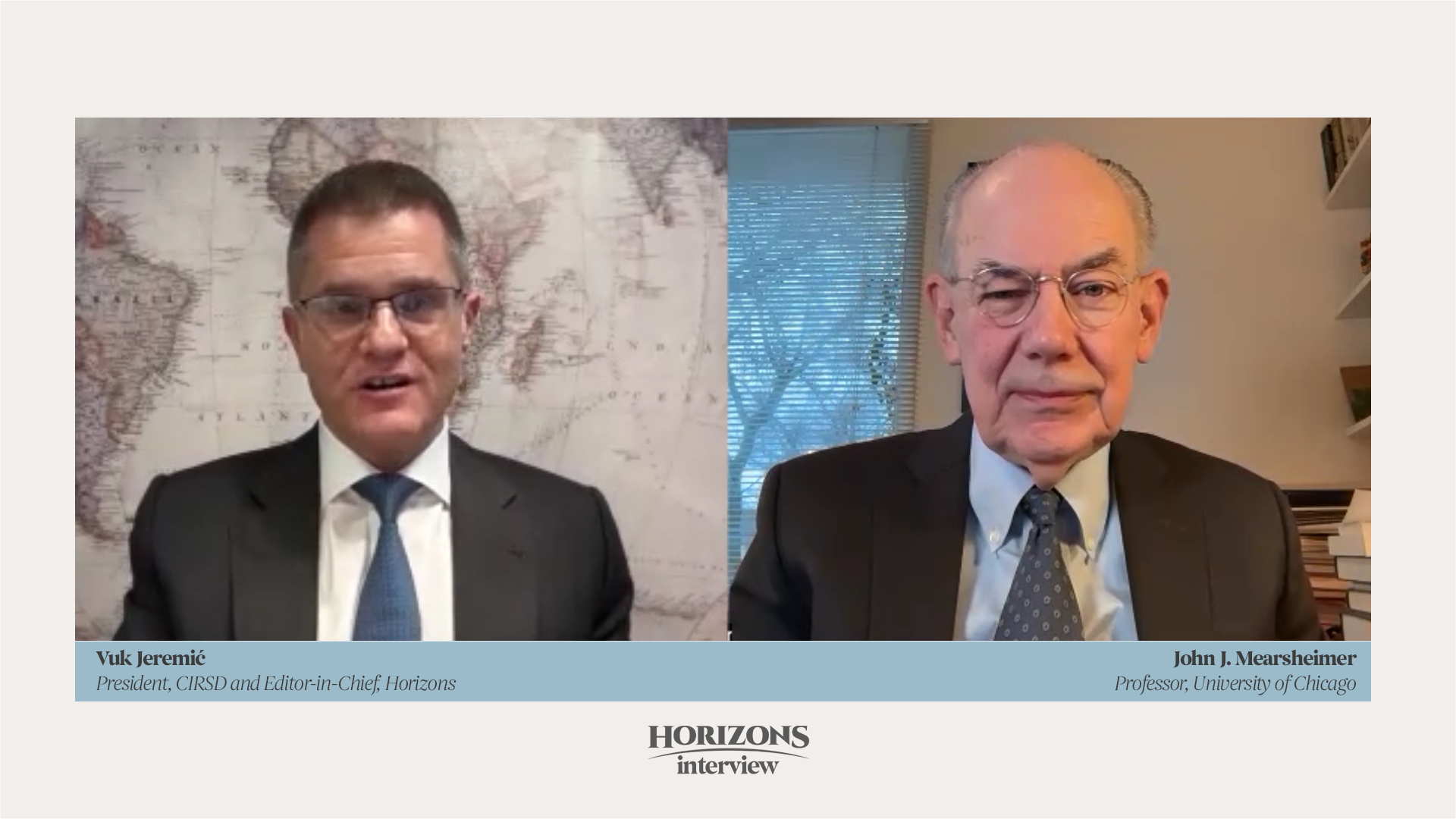
John J. Mearsheimer: The Return of Great-Power Politics
The Center for International Relations and Sustainable Development (CIRSD) has published a new Horizons Interviewwith Professor John J. Mearsheimer, one of the most influential political scientists of our time and the leading voice of structural realism in international relations. The interview was moderated by Vuk Jeremić, President of CIRSD and Editor-in-Chief of Horizons.
Read more
Economic Statecraft’s Impact on Geopolitical Realities
European Russophobia and Europe’s Rejection of Peace: A Two-Century Failure
Europe has repeatedly rejected peace with Russia at moments when a negotiated settlement was available, and those rejections have proven profoundly self-defeating.
Read more

 Author: