How the Kushner Peace Plan Overturned Israeli Strategy
How the Kushner Peace Plan Overturned Israeli Strategy
Author: Paul R. Pillar
The Kushner plan will encourage people, both inside and outside Palestine, to think and act less in terms of two states and more in terms of advocating for the rights of Palestinian Arabs within a binational state. That shift will make it harder than ever to avoid comparisons between the Israeli version of apartheid and the South African one.
The Trump administration plan for Israel and the Palestinians, spearheaded by Donald Trump’s adviser and son-in-law Jared Kushner, has been widely recognized as a plan that lacks “peace.” Real peace plans entail compromises between the two parties that have been feuding; these plans can be modified through further negotiation between those parties and aimed at satisfying the minimum requirements of both parties. They are not an endorsement of nearly everything that one party to the dispute wants while shoving aside the other party and its interests, which is what the Trump White House’s proposal does.
Just as “peace” is a misnomer for the plan, so, too, is “state” an inaccurate label for the Palestinian entity that the plan describes. Rather, it would be a fractured Bantustan, not much more empowered than today’s Palestinian Authority, remaining under the security yoke of the conquering power that surrounds it. And even that entity probably would never come into existence, since it is predicated on the Palestinians meeting numerous conditions almost impossible to meet and with Israel the judge of whether those conditions have been met.
When Development Falters: The Cost of Europe’s Inward Turn
At a time of growing global uncertainty and polarization, it can often be difficult to pinpoint the specific moments that will have the most pronounced impact on the long-term strength of our international system.
Read more
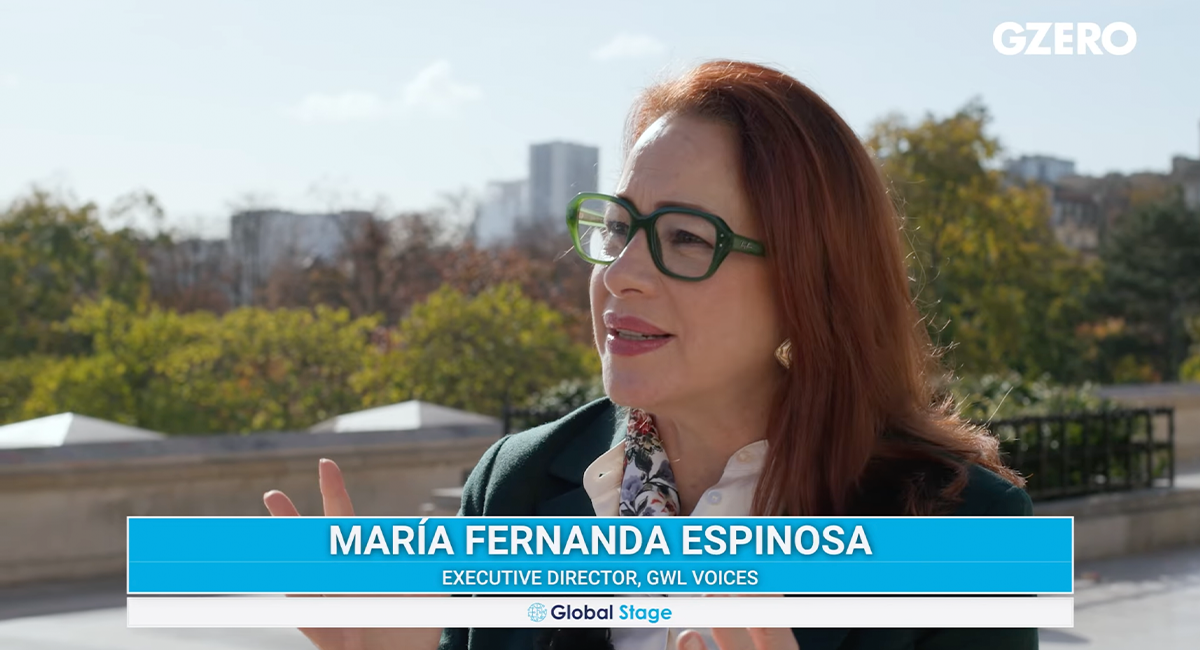
GPDI Co-Chair María Fernanda Espinosa Calls for UN Reform Centered on Preventive Diplomacy in Interview with GZERO Media
Paris — On the sidelines of the Paris Peace Forum, María Fernanda Espinosa, Co-Chair of the Global Preventive Diplomacy Initiative (GPDI) and former President of the United Nations General Assembly, spoke with GZERO Media’s Tony Maciulis about the urgent need to make global peace efforts more proactive through preventive diplomacy.
Read more
CIRSD Vice President Participates at International Conference on Responsible Management Education
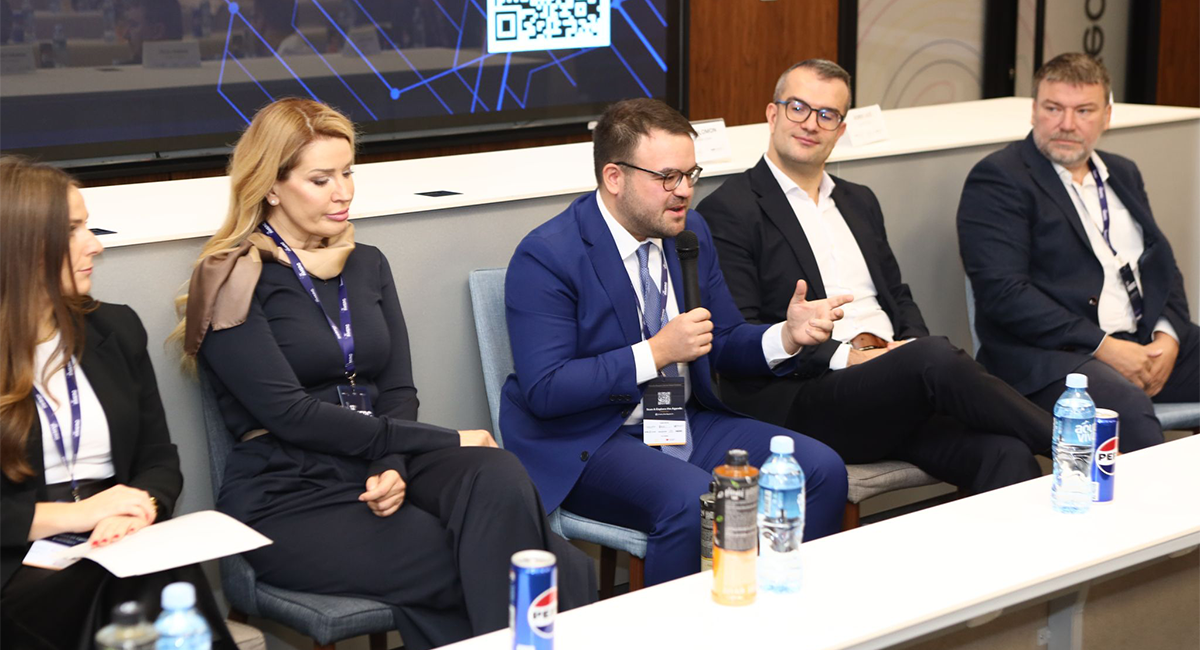
Belgrade, October 2025 — CIRSD Vice President Stefan Jovanović participated in the 12th Responsible Management Education Research Conference (RMERC), held last week in Belgrade. The event was organized by the University of Belgrade, Faculty of Organizational Sciences, and the Principles for Responsible Management Education (PRME) Anti-Poverty Working Group, bringing together representatives from academia, the business community, and international organizations from around the world.
Read more
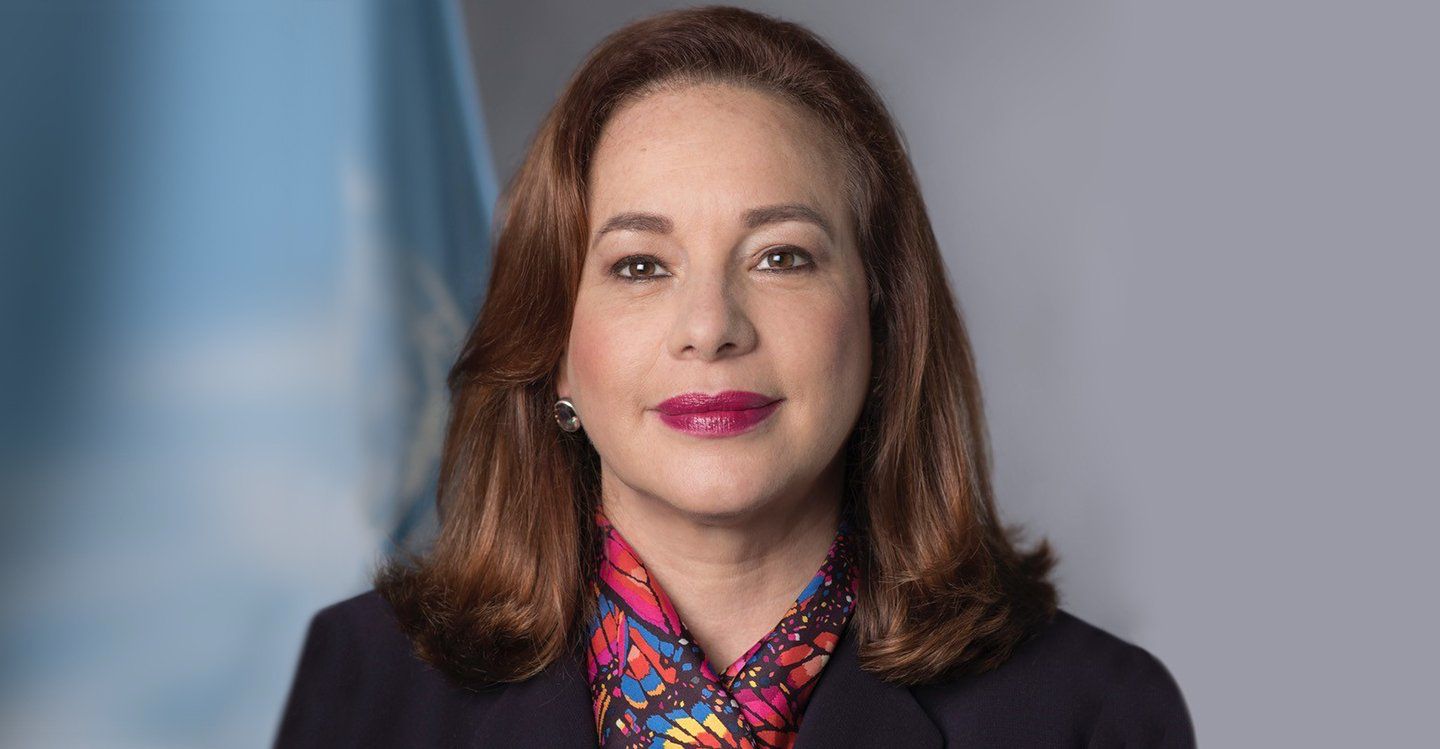
Maria Fernanda Espinosa Calls for Stronger Preventive Diplomacy as the UN Marks its 80th Anniversary
As the United Nations commemorates its 80th anniversary, Maria Fernanda Espinosa, former President of the UN General Assembly and Co-Chair of the Global Preventive Diplomacy Initiative (GPDI), spoke to CGTN’s flagship program The Agenda about the urgent need to modernize the UN and make preventive diplomacy the central pillar of its peace and security agenda.
Read more

 Author: