The unprecedented COVID-19 crisis has resulted in major social, political and legal challenges globally. As states around the world adopt emergency measures to address the crisis, it is critical that they continue to uphold the rule of law, protect and respect international standards and basic principles of legality, and the right to access justice, remedies and due process.
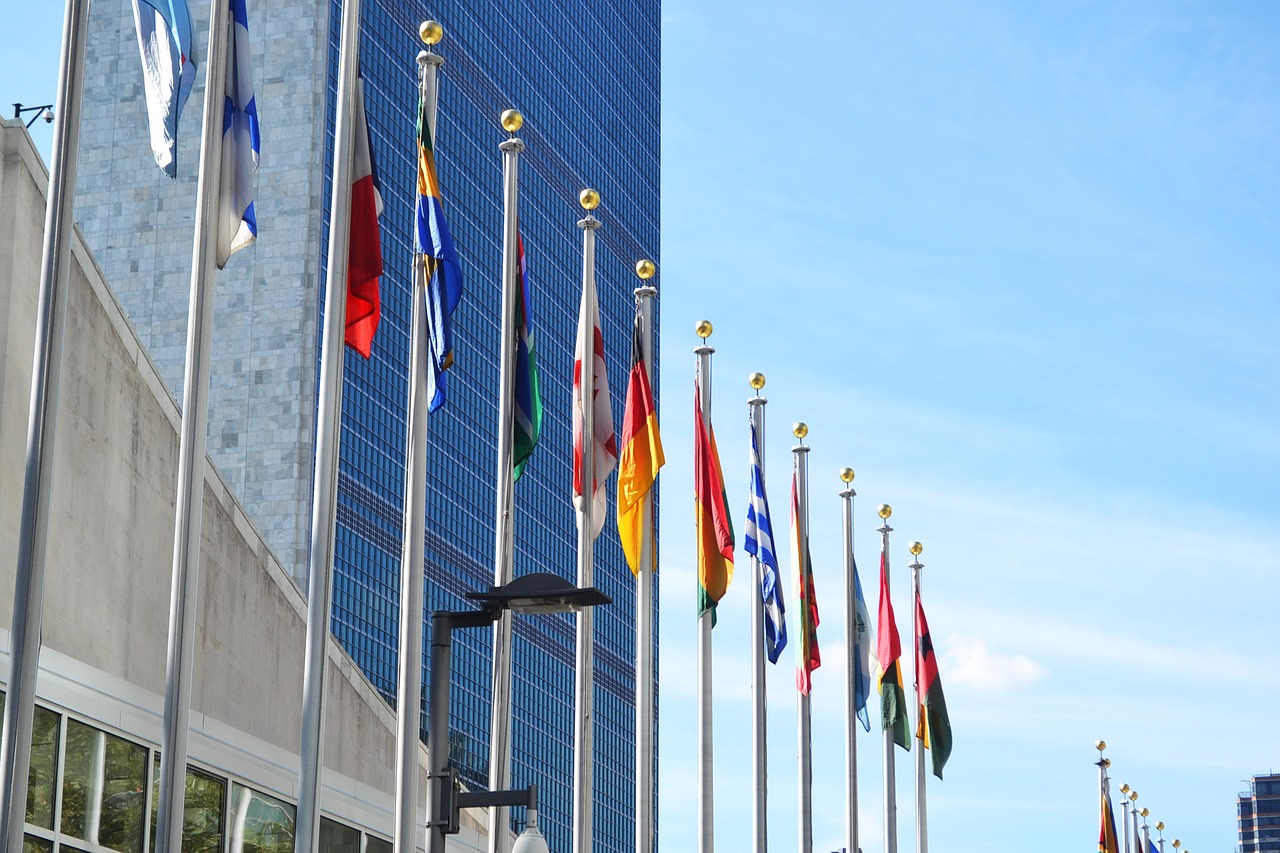
UN Secretary General António Guterres has urged governments to be transparent, responsive and accountable in their COVID-19 response and ensure that any emergency measures are legal, proportionate, necessary and non-discriminatory. “The best response is one that responds proportionately to immediate threats while protecting human rights and the rule of law,” he said.
The Secretary-General's policy brief says states must respect and protect, among other rights, freedom of expression and of the press, freedom of information, freedom of association and of assembly. Concerns in many countries in the context of COVID-19 include:
Measures to control the flow of information and crackdown on freedom of expression and press freedom against an existing background of shrinking civic space.
Arrest, detention, prosecution or persecution of political opponents, journalists, doctors and healthcare workers, activists and others for allegedly spreading “fake news”.
Aggressive cyber-policing and increased online surveillance.
Postponement of elections is raising serious constitutional issues in some cases and may lead to rising tensions
When Development Falters: The Cost of Europe’s Inward Turn
At a time of growing global uncertainty and polarization, it can often be difficult to pinpoint the specific moments that will have the most pronounced impact on the long-term strength of our international system.
Read more
GPDI Co-Chair María Fernanda Espinosa Calls for UN Reform Centered on Preventive Diplomacy in Interview with GZERO Media
Paris — On the sidelines of the Paris Peace Forum, María Fernanda Espinosa, Co-Chair of the Global Preventive Diplomacy Initiative (GPDI) and former President of the United Nations General Assembly, spoke with GZERO Media’s Tony Maciulis about the urgent need to make global peace efforts more proactive through preventive diplomacy.
Read more
CIRSD Vice President Participates at International Conference on Responsible Management Education
Belgrade, October 2025 — CIRSD Vice President Stefan Jovanović participated in the 12th Responsible Management Education Research Conference (RMERC), held last week in Belgrade. The event was organized by the University of Belgrade, Faculty of Organizational Sciences, and the Principles for Responsible Management Education (PRME) Anti-Poverty Working Group, bringing together representatives from academia, the business community, and international organizations from around the world.
Read more
Maria Fernanda Espinosa Calls for Stronger Preventive Diplomacy as the UN Marks its 80th Anniversary
As the United Nations commemorates its 80th anniversary, Maria Fernanda Espinosa, former President of the UN General Assembly and Co-Chair of the Global Preventive Diplomacy Initiative (GPDI), spoke to CGTN’s flagship program The Agenda about the urgent need to modernize the UN and make preventive diplomacy the central pillar of its peace and security agenda.
Read more