CAMBRIDGE – As Russian missiles pound Ukrainian cities, and as Ukrainians fight to defend their country, some avowed realists might say, “So much for soft power.” But such a response betrays a shallow analysis. Power is the ability to affect others to get the outcomes you want. A smart realist understands that you can do this in three ways: by coercion, by payment, or by attraction – in other words, the proverbial “sticks, carrots, and honey.”
In the short run, sticks are more effective than honey, and hard power trumps soft power. If I want to steal your money using hard power, I can threaten to shoot you and take your wallet. It does not matter what you think, and I get your money right away. To take your money using soft power, I would need to persuade you to give me your money. That takes time, and it does not always work. Everything depends on what you think. But if I can attract you, soft power may prove a far less costly way to get your money. In the long term, honey sometimes trumps sticks.
Likewise, in international politics, the effects of soft power tend to be slow and indirect. We can see the effects of bombs and bullets right away, whereas the attraction of values and culture may be visible only in the long run. But to ignore or neglect these effects would be a serious mistake. Smart political leaders have long understood that values can create power. If I can get you to want what I want, I will not have to force you to do what you do not want to do. If a country represents values that others find attractive, it can economize on the use of sticks and carrots.
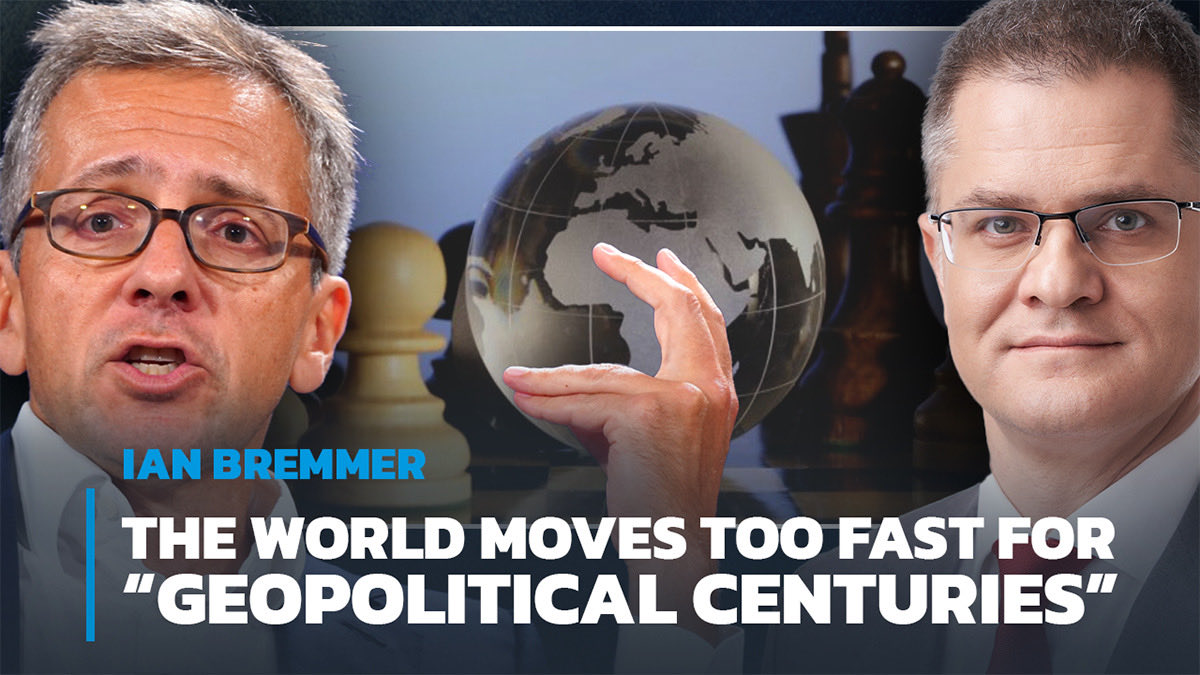
[VIDEO] Ian Bremmer: The World Moves Too Fast for “Geopolitical Centuries” | Horizons Interview
Horizons presents an exclusive interview with Ian Bremmer, President and Founder of Eurasia Group and GZERO Media. The conversation explores the current state of global affairs, including the idea of a “geopolitical recession,” the rise of Asia, shifts in the domestic political landscape in the United States, transatlantic relations, the future of global governance, as well as the growing impact of artificial intelligence on international stability and economic transformation. The interview was conducted by Horizons Editor in Chief Vuk Jeremić and recorded in November 2025.
Read more
Horizons Discussion with Jeffrey Sachs on the Asia-Pacific Century
The Center for International Relations and Sustainable Development (CIRSD) hosted a high-level Horizons Discussion featuring Professor Jeffrey D. Sachs, one of the world’s most renowned intellectuals, in conversation with Vuk Jeremić, President of CIRSD and Editor-in-Chief of Horizons. The event marked the launch of the 32nd volume of Horizons, titled The Asia-Pacific Century.
Read more
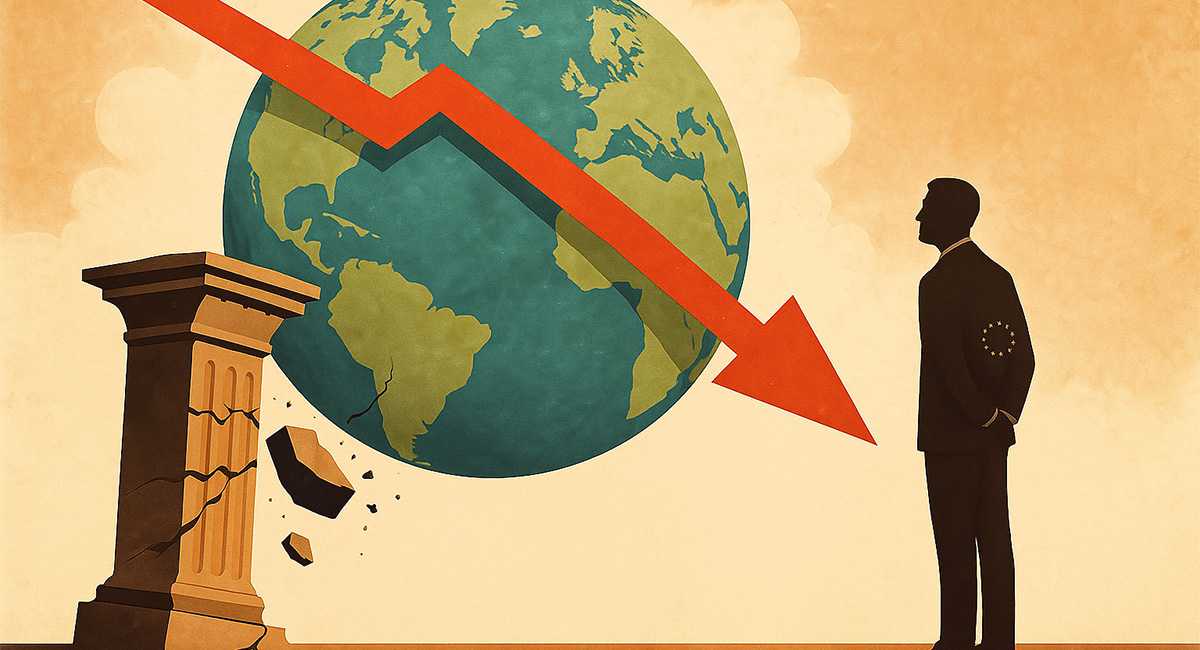
When Development Falters: The Cost of Europe’s Inward Turn
At a time of growing global uncertainty and polarization, it can often be difficult to pinpoint the specific moments that will have the most pronounced impact on the long-term strength of our international system.
Read more
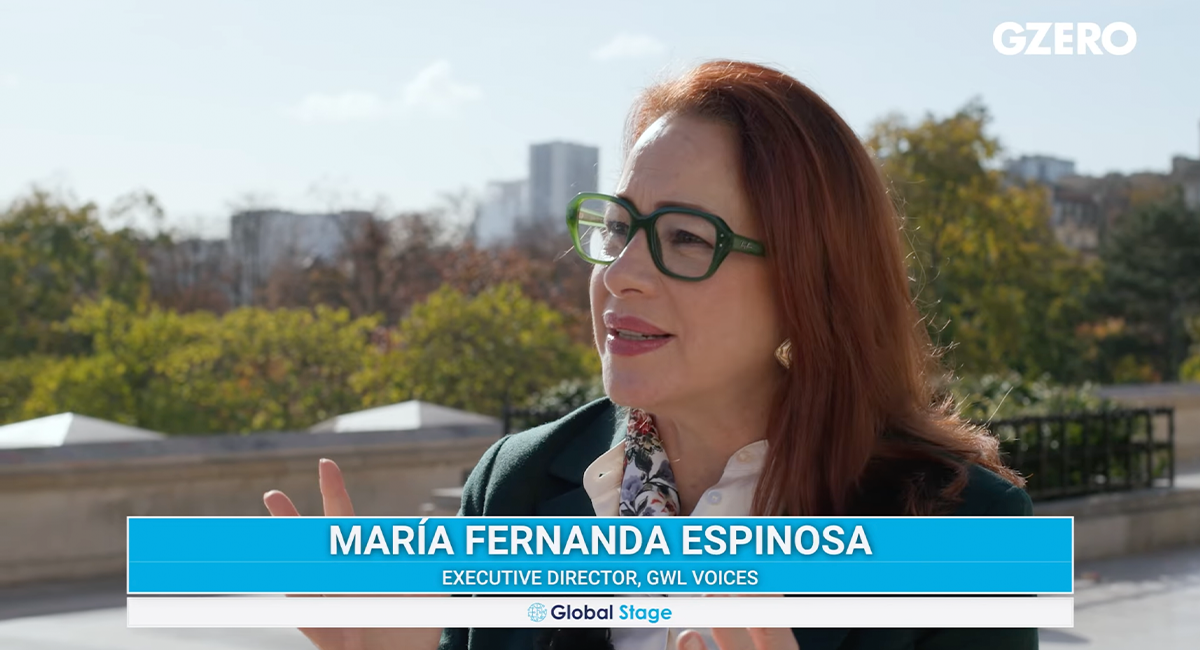
GPDI Co-Chair María Fernanda Espinosa Calls for UN Reform Centered on Preventive Diplomacy in Interview with GZERO Media
Paris — On the sidelines of the Paris Peace Forum, María Fernanda Espinosa, Co-Chair of the Global Preventive Diplomacy Initiative (GPDI) and former President of the United Nations General Assembly, spoke with GZERO Media’s Tony Maciulis about the urgent need to make global peace efforts more proactive through preventive diplomacy.
Read more

 Author: