This Is How Ukraine Will Destroy the Rule of Law While Claiming to Defend it
This Is How Ukraine Will Destroy the Rule of Law While Claiming to Defend it
Author: Nicolai N. Petro
In the year following his election, Ukrainian president Volodymyr Zelensky’s approval has fallen from 73 percent to a new low in the latest local elections. Although several run-off elections have yet to be held, it is already clear that the president’s party, “Servant of the People,” suffered a major defeat, being unable to win a single mayoral race or even a majority in any regional parliament or city council.
Such a precipitous fall from electoral grace can be attributed in part to professional incompetence and failure to keep his campaign promises, but in even greater measure it stems from Zelensky’s betrayal of his core electorate, which lies in the predominantly Russian-speaking East and South. Since Petro Poroshenko had run on an arch-nationalist agenda, proclaiming “It’s Poroshenko or Putin,” Zelensky’s appeal, stemmed largely from the fact that he was running as the anti-Poroshenko. Ukrainians were tired of the previous president’s efforts to divide the nation along the lines of his campaign slogan—“Army, Language, Faith”—and handed Poroshenko a resounding defeat in every region of Ukraine, except Lviv.
Now, Zelensky seems to think that he has found a way to return to center stage by declaring Ukraine’s entire Constitutional Court a threat to national security. “In a matter of hours,” the president told his party faction in the parliament, “the judges of the Constitutional Court have set the country on the edge of catastrophe. It will either be pulled into bloody chaos, or the state as a system of transparent rules and agreements will cease to exist.”
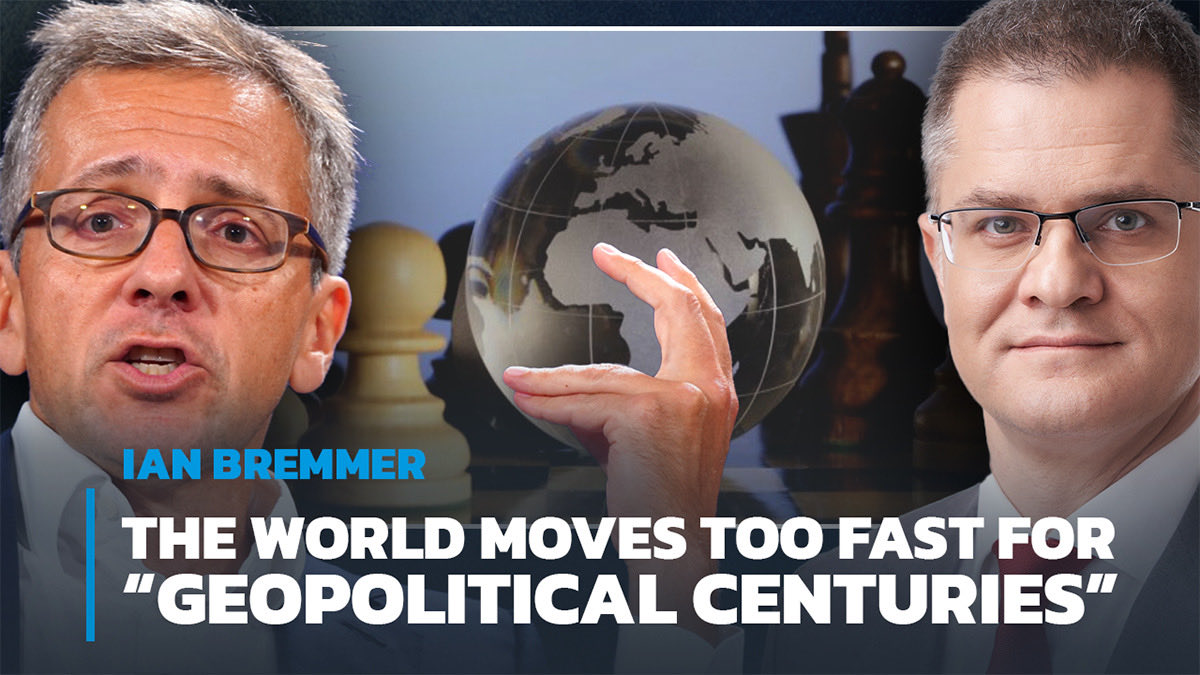
[VIDEO] Ian Bremmer: The World Moves Too Fast for “Geopolitical Centuries” | Horizons Interview
Horizons presents an exclusive interview with Ian Bremmer, President and Founder of Eurasia Group and GZERO Media. The conversation explores the current state of global affairs, including the idea of a “geopolitical recession,” the rise of Asia, shifts in the domestic political landscape in the United States, transatlantic relations, the future of global governance, as well as the growing impact of artificial intelligence on international stability and economic transformation. The interview was conducted by Horizons Editor in Chief Vuk Jeremić and recorded in November 2025.
Read more
Horizons Discussion with Jeffrey Sachs on the Asia-Pacific Century
The Center for International Relations and Sustainable Development (CIRSD) hosted a high-level Horizons Discussion featuring Professor Jeffrey D. Sachs, one of the world’s most renowned intellectuals, in conversation with Vuk Jeremić, President of CIRSD and Editor-in-Chief of Horizons. The event marked the launch of the 32nd volume of Horizons, titled The Asia-Pacific Century.
Read more
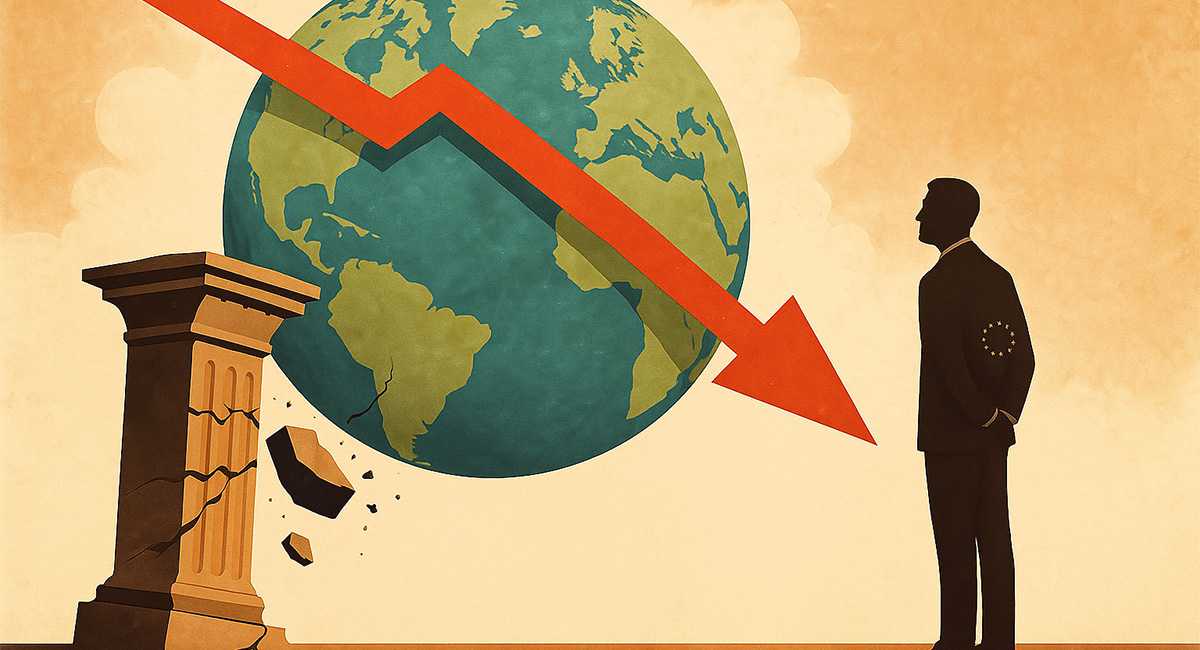
When Development Falters: The Cost of Europe’s Inward Turn
At a time of growing global uncertainty and polarization, it can often be difficult to pinpoint the specific moments that will have the most pronounced impact on the long-term strength of our international system.
Read more
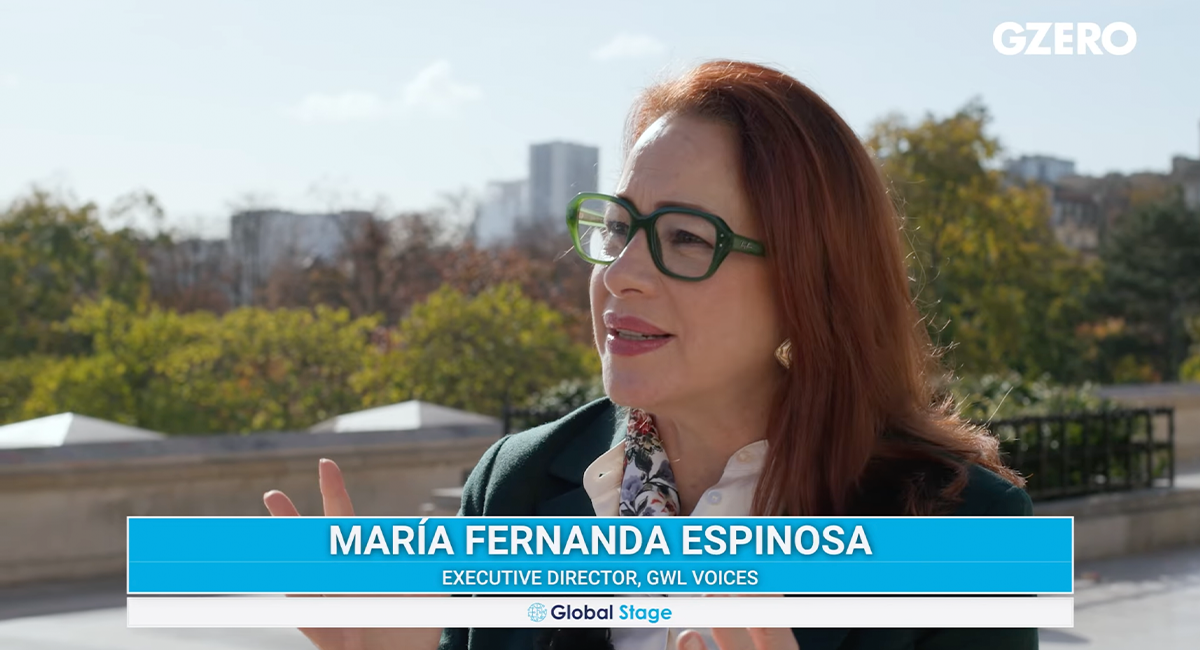
GPDI Co-Chair María Fernanda Espinosa Calls for UN Reform Centered on Preventive Diplomacy in Interview with GZERO Media
Paris — On the sidelines of the Paris Peace Forum, María Fernanda Espinosa, Co-Chair of the Global Preventive Diplomacy Initiative (GPDI) and former President of the United Nations General Assembly, spoke with GZERO Media’s Tony Maciulis about the urgent need to make global peace efforts more proactive through preventive diplomacy.
Read more

 Author: