Weekend Roundup: Time to Redefine Defense and Redesign Global Cooperation
Weekend Roundup: Time to Redefine Defense and Redesign Global Cooperation
Author: Nathan Gardels
Geopolitical orders, including the balance of power, arise to contain threats and promote the interests of nations that benefit from the stability they maintain. The present order is still primarily a legacy of past world wars. National arsenals and multilateral institutions established to fortify that order have all been aimed at not having to fight the last war again or prevailing in a rematch. As such, they are proving woefully ill-equipped for the threats we face going forward: global pandemics like COVID-19 and what some have called “the slow-motion pandemic” of climate change.
Of what use are stealth bombers against a virus invisible to the naked eye? What good are anti-ballistic missiles when what we need are antibodies? How does a modernized nuclear force stack up against mutating microbes? What is the point of a shock-and-awe 30,000-pound bunker-buster bomb when microscopic droplets from a cough or a sneeze are just as devastating?
Clearly, the time has arrived to redefine what defense means in this age of the first-ever real-time global pandemic. The same is true for climate change: How will fleets of submarines and aircraft carriers defend against melting icecaps and rising seas? Exposure to the COVID-19 crisis is also dealing a terminal blow to the elderly multilateral institutions born after World War II that are seeing their last days in the nursing home of a passing era.
If these new threats and convergent interests will shape the next world order, what should it look like?
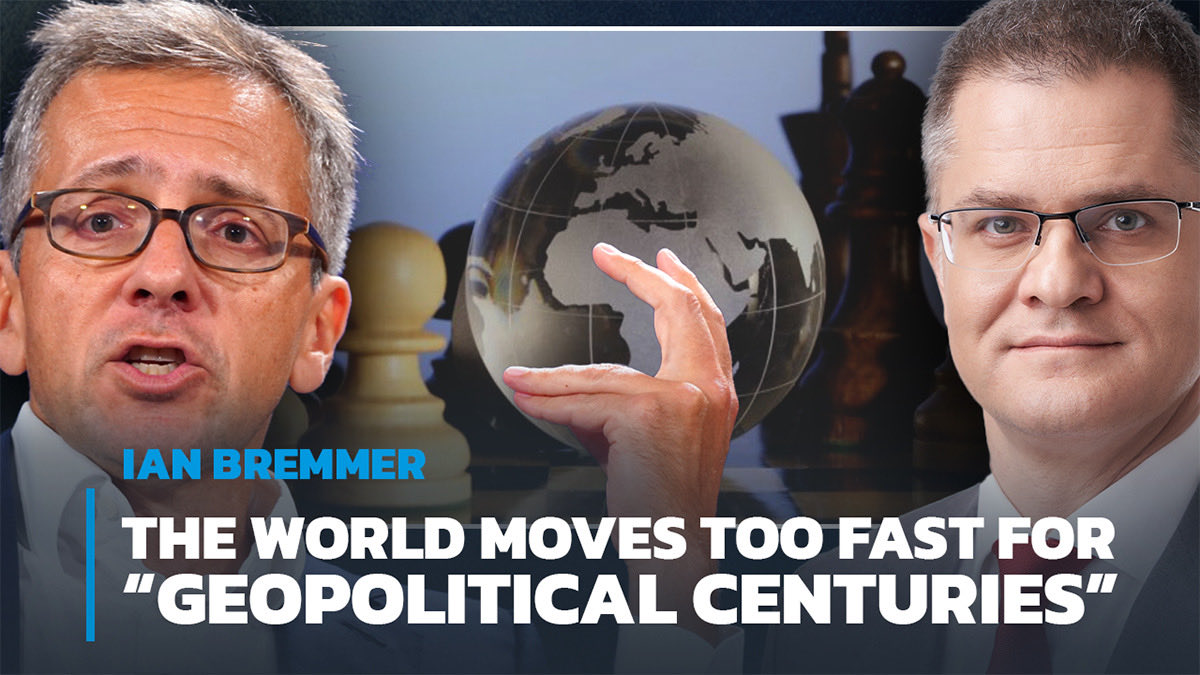
[VIDEO] Ian Bremmer: The World Moves Too Fast for “Geopolitical Centuries” | Horizons Interview
Horizons presents an exclusive interview with Ian Bremmer, President and Founder of Eurasia Group and GZERO Media. The conversation explores the current state of global affairs, including the idea of a “geopolitical recession,” the rise of Asia, shifts in the domestic political landscape in the United States, transatlantic relations, the future of global governance, as well as the growing impact of artificial intelligence on international stability and economic transformation. The interview was conducted by Horizons Editor in Chief Vuk Jeremić and recorded in November 2025.
Read more
Horizons Discussion with Jeffrey Sachs on the Asia-Pacific Century
The Center for International Relations and Sustainable Development (CIRSD) hosted a high-level Horizons Discussion featuring Professor Jeffrey D. Sachs, one of the world’s most renowned intellectuals, in conversation with Vuk Jeremić, President of CIRSD and Editor-in-Chief of Horizons. The event marked the launch of the 32nd volume of Horizons, titled The Asia-Pacific Century.
Read more
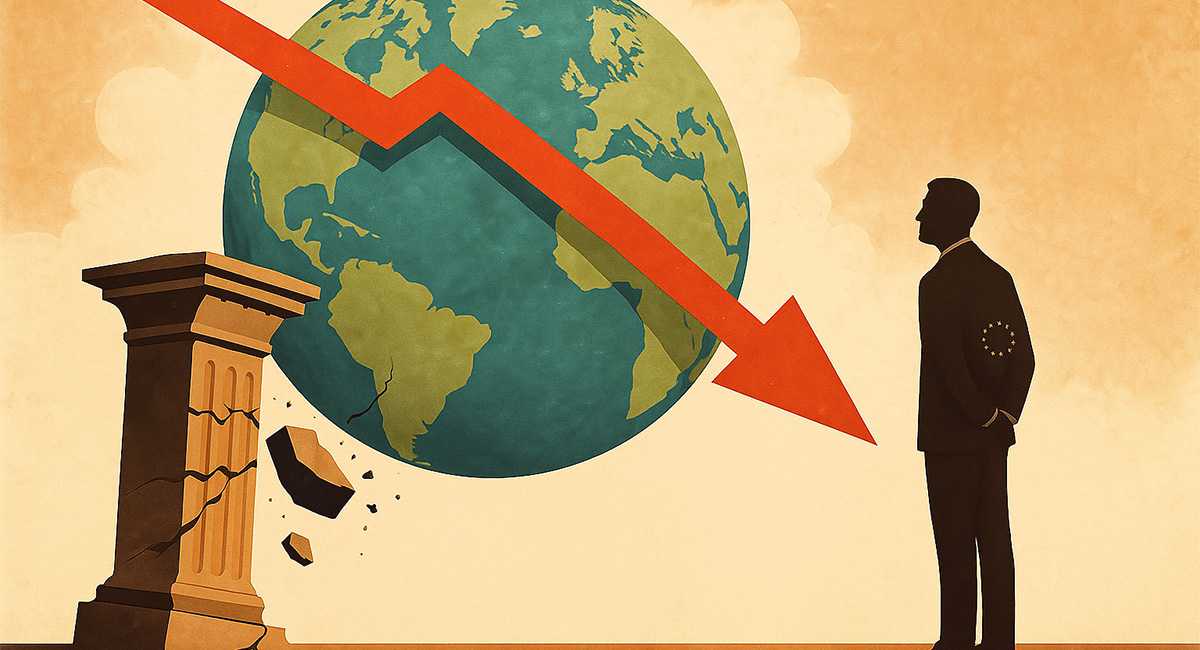
When Development Falters: The Cost of Europe’s Inward Turn
At a time of growing global uncertainty and polarization, it can often be difficult to pinpoint the specific moments that will have the most pronounced impact on the long-term strength of our international system.
Read more
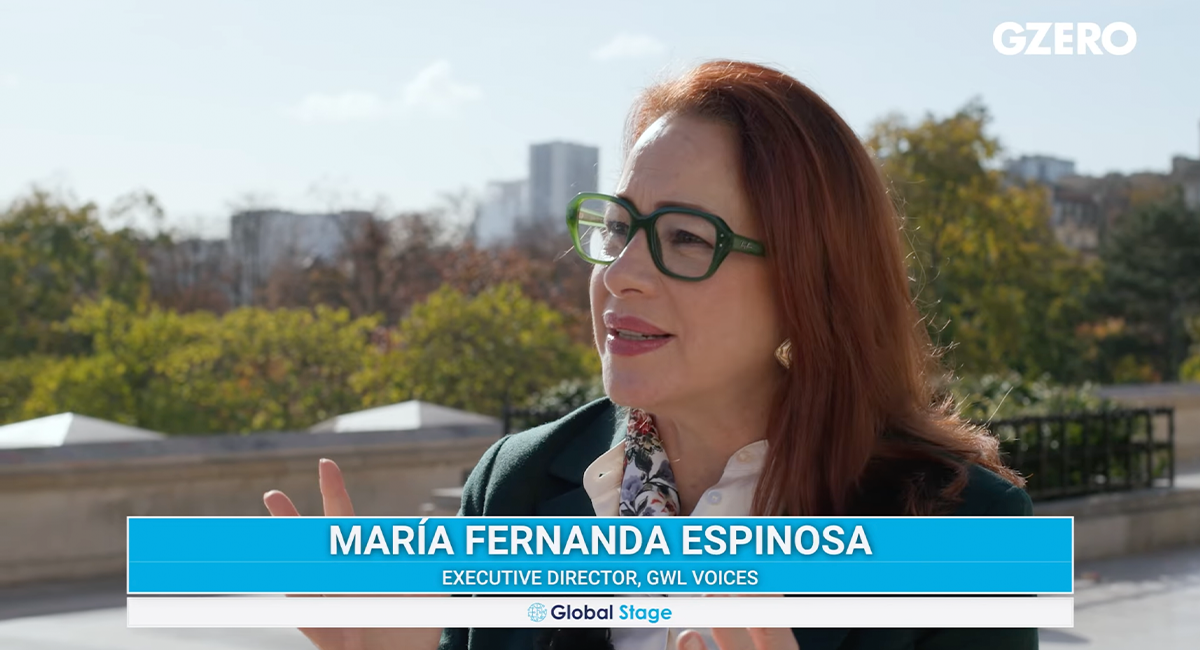
GPDI Co-Chair María Fernanda Espinosa Calls for UN Reform Centered on Preventive Diplomacy in Interview with GZERO Media
Paris — On the sidelines of the Paris Peace Forum, María Fernanda Espinosa, Co-Chair of the Global Preventive Diplomacy Initiative (GPDI) and former President of the United Nations General Assembly, spoke with GZERO Media’s Tony Maciulis about the urgent need to make global peace efforts more proactive through preventive diplomacy.
Read more

 Author: