Why Ukraine’s plea for NATO membership is such a profound dilemma for the West
Why Ukraine’s plea for NATO membership is such a profound dilemma for the West
Author: Stephen Collinson
Stephen Collinson is a reporter for CNN Politics covering the White House, and politics across the United States and around the world.
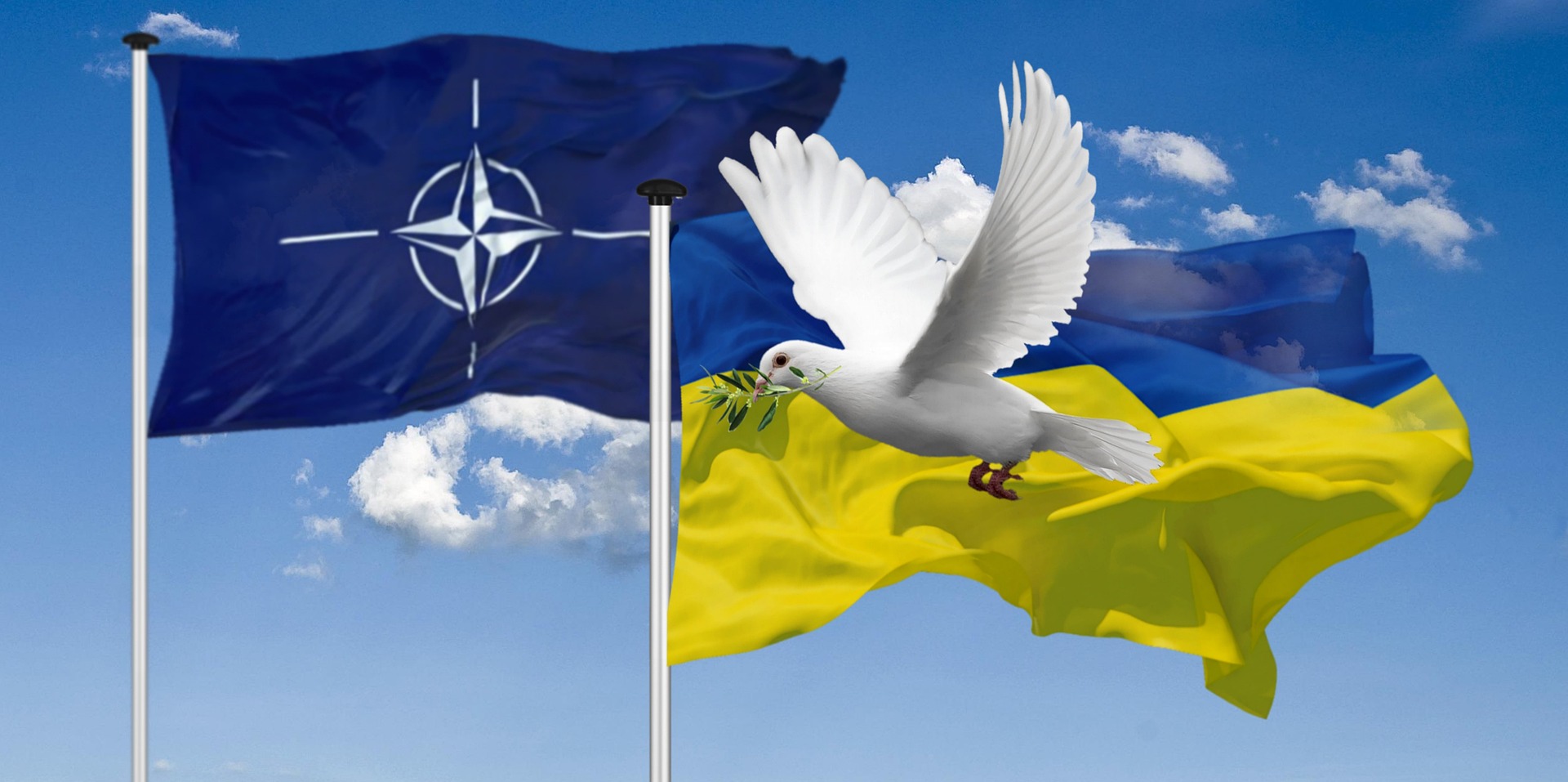
President Joe Biden said before a critical trip to Europe that Ukraine is not yet ready to enter NATO. More to the point, the alliance is not yet ready for Ukraine to join in a historic step that could deter Moscow but that might also increase the risk of a US-Russia war.
Biden has staked his foreign policy legacy on arming Ukraine to repel the Russian invasion – most recently with a contentious decision to send cluster bombs. But he nevertheless sent a strong message to Kyiv in an exclusive CNN interview that its increasingly sharp campaign is unlikely to result in a certain date for NATO entry emerging from the alliance’s summit in Lithuania this week.
While some eastern European alliance members are bullish on an early timetable to welcome Ukraine, some first-generation states, including the US, are more cautious, partly due to fears that moving quickly on NATO membership could provoke the direct conflict with Russia that Biden is desperate to avoid.
“I don’t think there is unanimity in NATO about whether or not to bring Ukraine into the NATO family now, at this moment, in the middle of a war,” Biden said in an interview with CNN’s Fareed Zakaria broadcast on Sunday. The president said that the alliance needed to lay out a “rational path” for Ukraine’s membership but that it was still short of some requirements for joining, including over democratization.
While Biden said he had discussed the issue at length with Ukrainian President Volodymyr Zelensky and had refused before the war to allow Russian President Vladimir Putin a veto on Kyiv’s eventual membership, his comments will disappoint Ukraine as it suffers through a horrific war that has seen multiple crimes against humanity. Ukraine has often warned it is fighting the West’s war against Russian expansionism and has weakened NATO’s top adversary in Europe, and so therefore has a moral case for the defense guarantees NATO states enjoy. But even Zelensky accepts that Ukraine cannot join NATO while the war rages on.
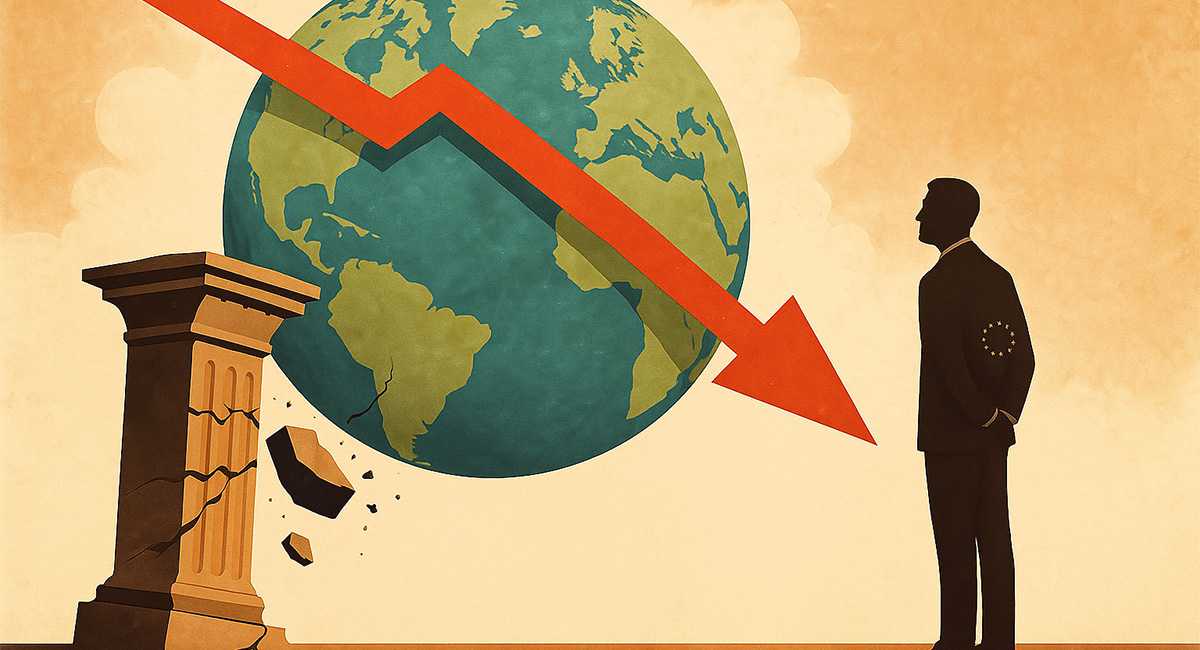
When Development Falters: The Cost of Europe’s Inward Turn
At a time of growing global uncertainty and polarization, it can often be difficult to pinpoint the specific moments that will have the most pronounced impact on the long-term strength of our international system.
Read more
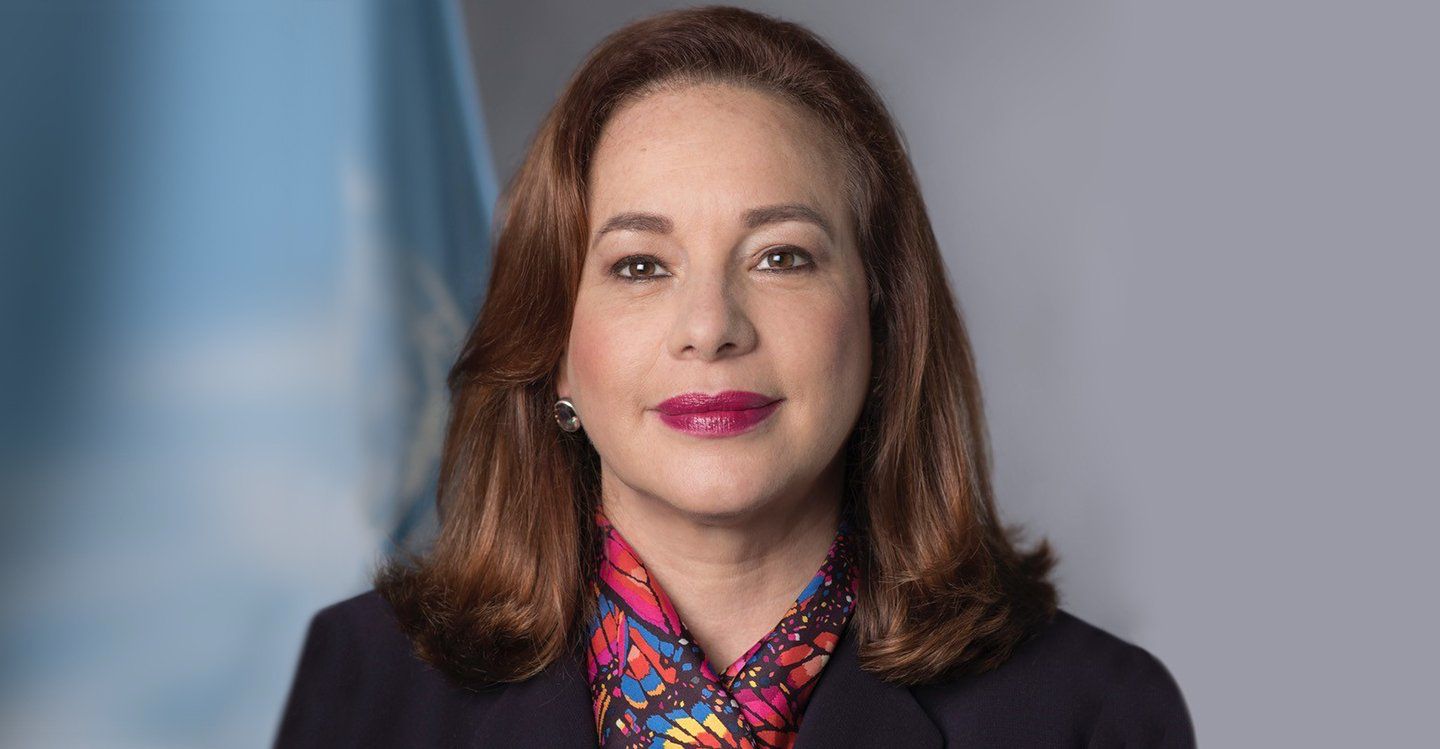
GPDI Co-Chair María Fernanda Espinosa Calls for UN Reform Centered on Preventive Diplomacy in Interview with GZERO Media
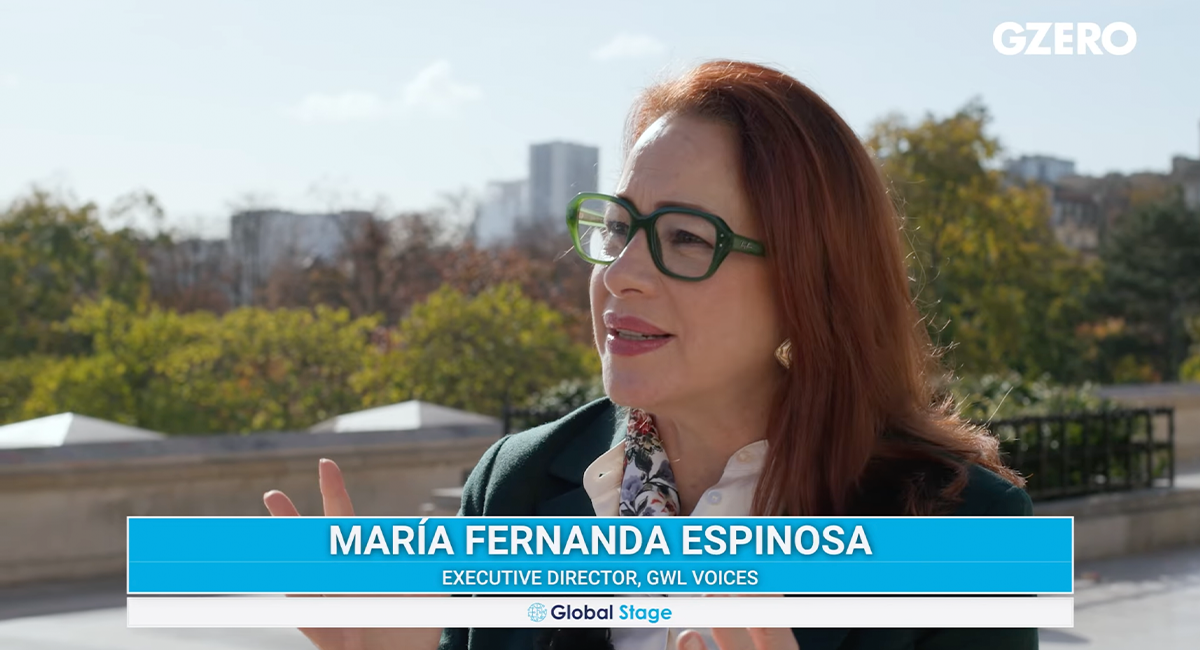
Paris — On the sidelines of the Paris Peace Forum, María Fernanda Espinosa, Co-Chair of the Global Preventive Diplomacy Initiative (GPDI) and former President of the United Nations General Assembly, spoke with GZERO Media’s Tony Maciulis about the urgent need to make global peace efforts more proactive through preventive diplomacy.
Read more
CIRSD Vice President Participates at International Conference on Responsible Management Education
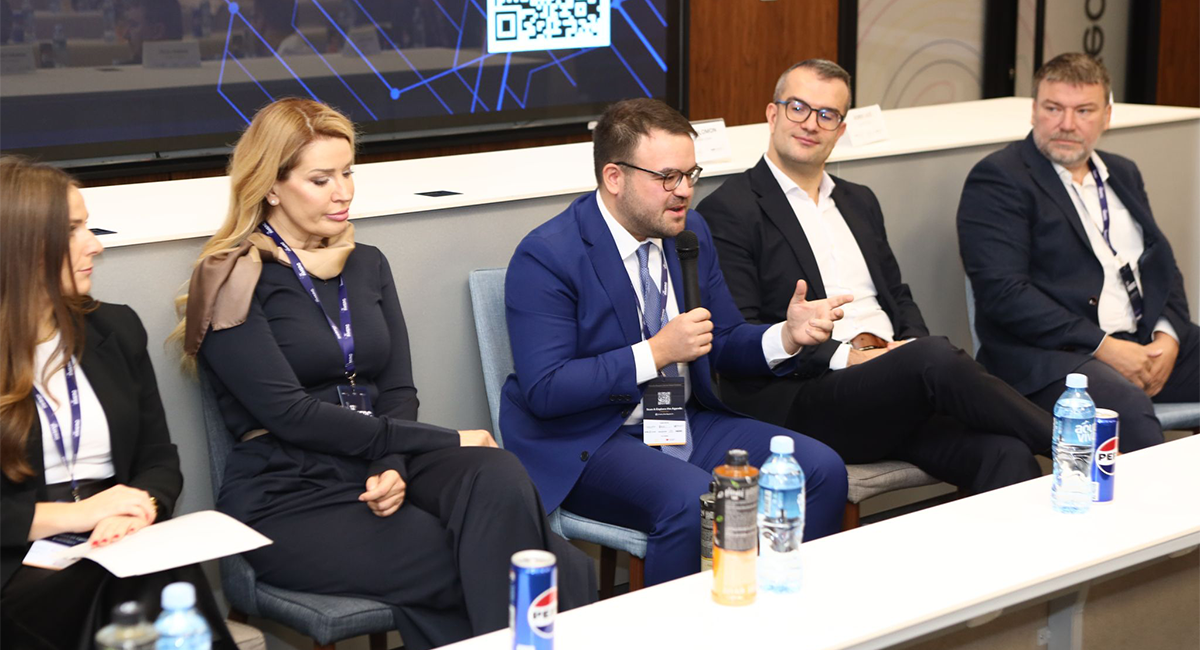
Belgrade, October 2025 — CIRSD Vice President Stefan Jovanović participated in the 12th Responsible Management Education Research Conference (RMERC), held last week in Belgrade. The event was organized by the University of Belgrade, Faculty of Organizational Sciences, and the Principles for Responsible Management Education (PRME) Anti-Poverty Working Group, bringing together representatives from academia, the business community, and international organizations from around the world.
Read more
Maria Fernanda Espinosa Calls for Stronger Preventive Diplomacy as the UN Marks its 80th Anniversary
As the United Nations commemorates its 80th anniversary, Maria Fernanda Espinosa, former President of the UN General Assembly and Co-Chair of the Global Preventive Diplomacy Initiative (GPDI), spoke to CGTN’s flagship program The Agenda about the urgent need to modernize the UN and make preventive diplomacy the central pillar of its peace and security agenda.
Read more

 Author: