The cracks first emerged in April. By 29 June 1995, a vast network of fissures spanned the entire fifth floor ceiling of one of Seoul’s busiest department stores. Hours later, loud bangs could be heard coming from the roof. The cracks widened.
An emergency board meeting was called but the chairman flatly refused to evacuate, citing lost profits. Then he fled the building.
At 5pm the fifth floor ceiling began to sink. Shopping continued as usual, until the alarms were finally sounded nearly an hour later. But it was too late. The roof went next, followed by the building’s main support columns, sending the entire south wing crashing into the basement. 1,500 people were trapped – including the chairman’s own stepdaughter – and 502 never made it out of the building.
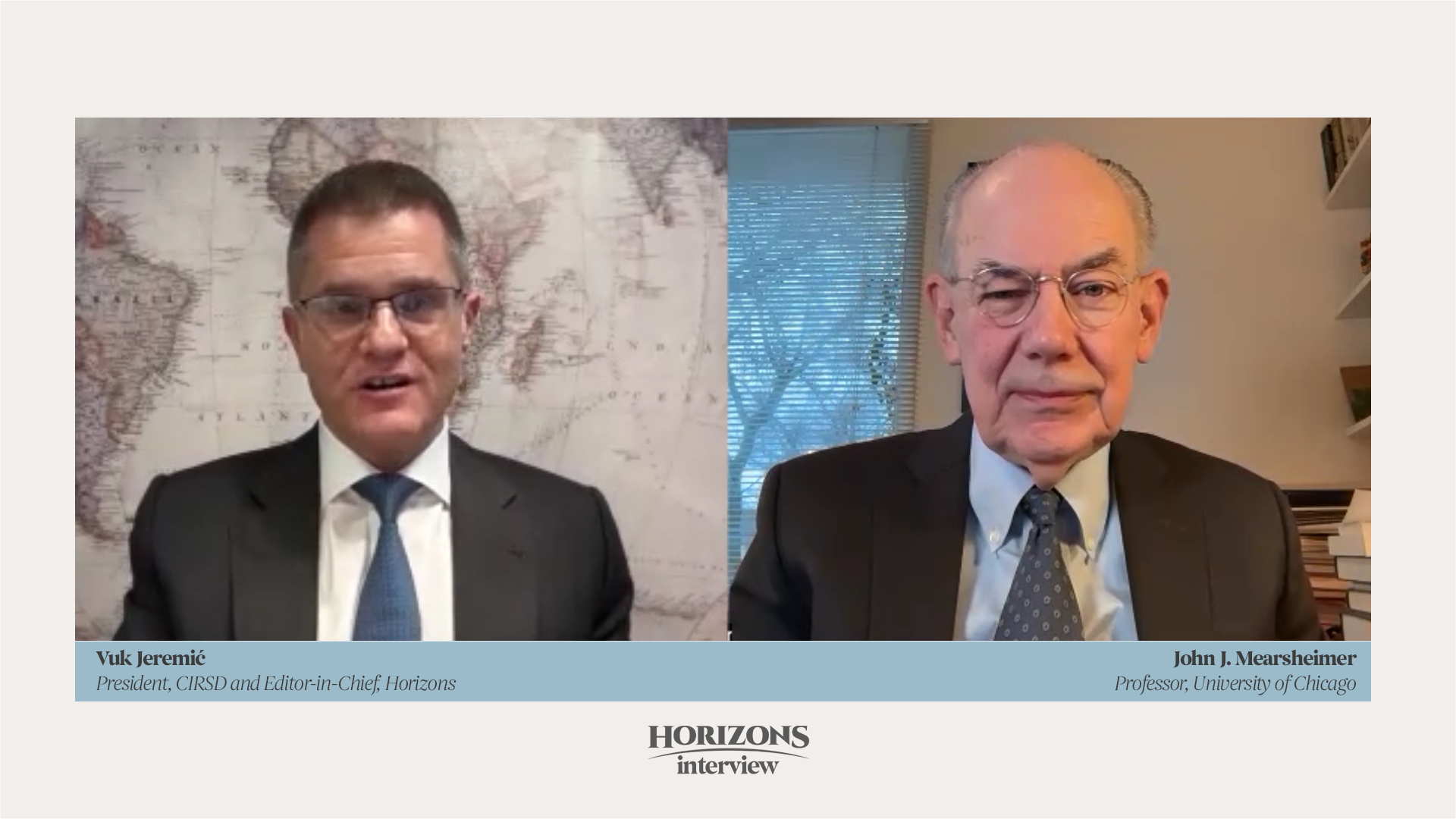
John J. Mearsheimer: The Return of Great-Power Politics
The Center for International Relations and Sustainable Development (CIRSD) has published a new Horizons Interviewwith Professor John J. Mearsheimer, one of the most influential political scientists of our time and the leading voice of structural realism in international relations. The interview was moderated by Vuk Jeremić, President of CIRSD and Editor-in-Chief of Horizons.
Read more
Economic Statecraft’s Impact on Geopolitical Realities
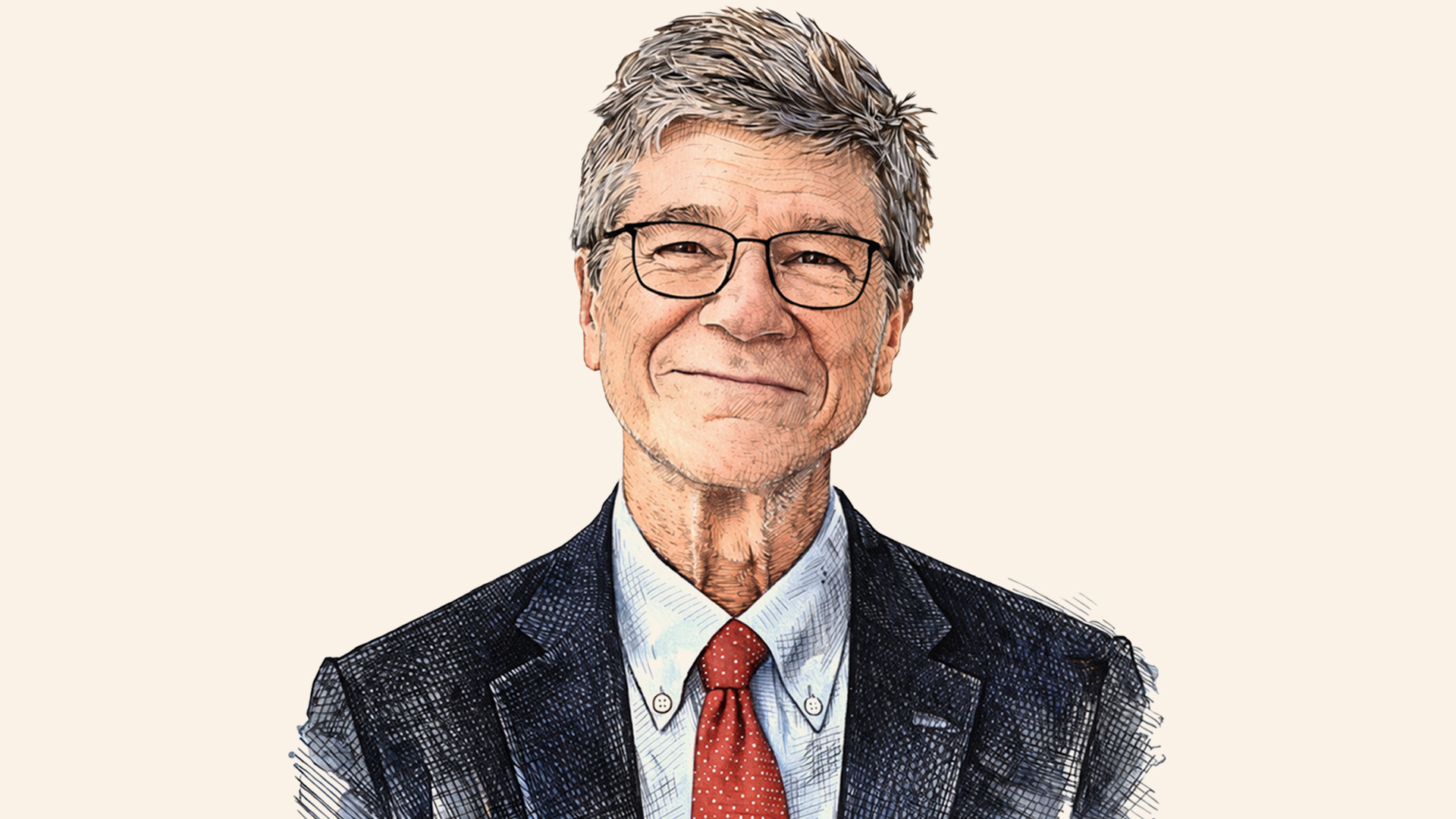
European Russophobia and Europe’s Rejection of Peace: A Two-Century Failure
Europe has repeatedly rejected peace with Russia at moments when a negotiated settlement was available, and those rejections have proven profoundly self-defeating.
Read more

 Author:
 The cracks first emerged in April. By 29 June 1995, a vast network of fissures spanned the entire fifth floor ceiling of one of Seoul’s busiest department stores. Hours later, loud bangs could be heard coming from the roof. The cracks widened.