CIRSD and NGIC Coorganize a High-Level Conference at the Diplomatic Academy of Vienna
CIRSD and NGIC Coorganize a High-Level Conference at the Diplomatic Academy of Vienna
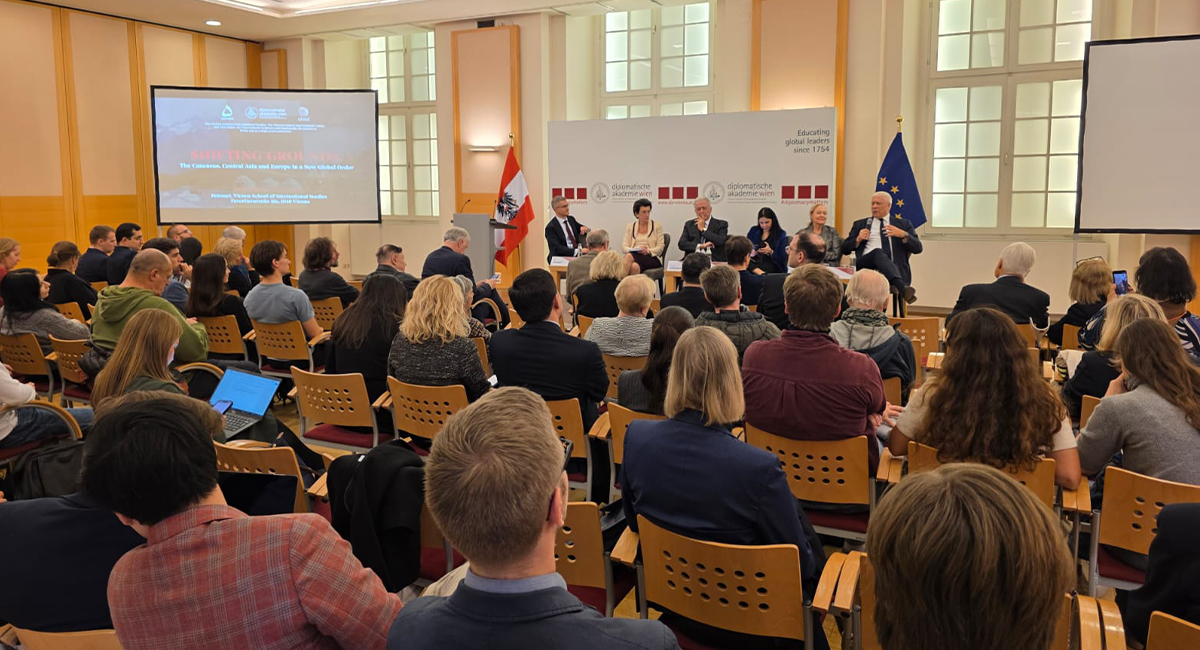
Vienna, October 21, 2025 — The Center for International Relations and Sustainable Development (CIRSD) and the Nizami Ganjavi International Center (NGIC), convened a high-level international conference titled “Shifting Grounds: The Caucasus, Central Asia and Europe in a New Global Order”, in partnership with the Diplomatic Academy of Vienna.
The conference examined how profound geopolitical transformations are redefining the global balance of power and reshaping the strategic role of the Caucasus and Central Asia. Against the backdrop of shifting alliances, economic realignments, and growing competition among major powers, participants explored what these changes mean for Europe’s engagement with its neighboring regions to the east.
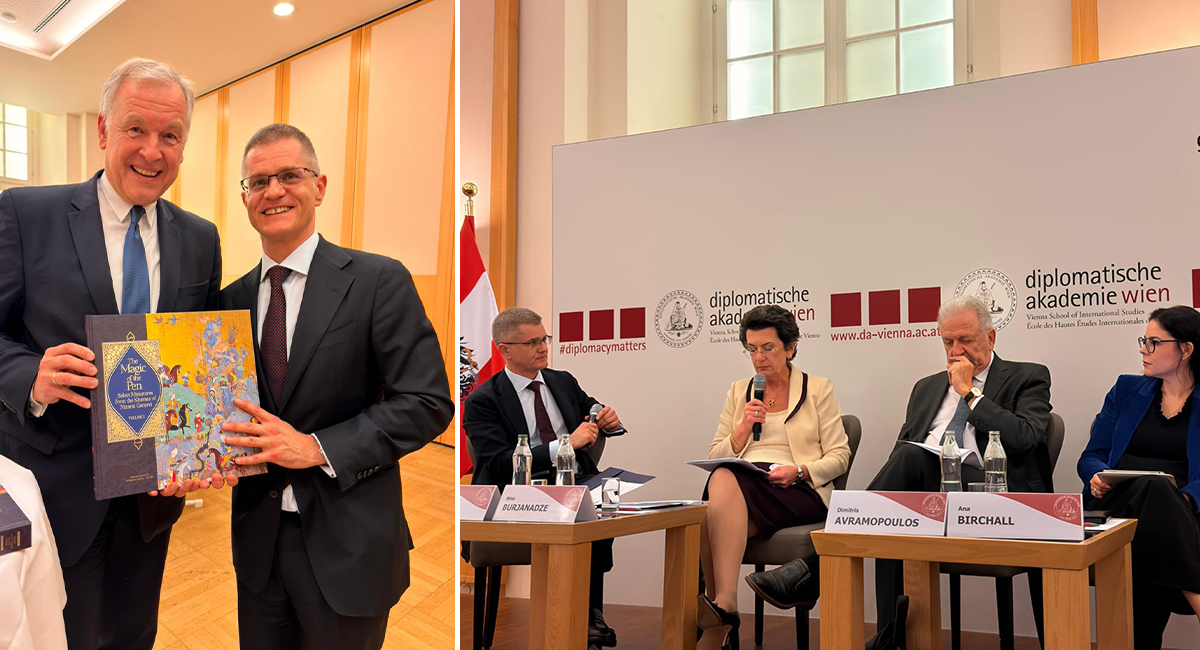
The event was opened by Ambassador Martin Eichtinger, Director of the Diplomatic Academy in Vienna, who welcomed the participants and underscored Vienna’s enduring role as a center for international dialogue and diplomacy.
The discussion, moderated by Vuk Jeremić, President of CIRSD, featured a distinguished panel of former heads of state and senior policymakers, including Benita Ferrero-Waldner, former Austrian Foreign Minister and EU Commissioner for External Relations, Boris Tadić, former President of Serbia, Nino Burjanadze, former Acting President and Speaker of the Parliament of Georgia, Dimitris Avramopoulos, former Greek Foreign and Defense Minister and European Commissioner for Migration, and Ana Birchall, former Deputy Prime Minister of Romania.
In a wide-ranging exchange, panelists reflected on how the Caucasus and Central Asia are positioning themselves amid the shifting currents of global power. The discussion centered on the regions’ growing importance as strategic bridges between Europe and Asia, as well as on how enhanced connectivity, energy diversification, and regional cooperation could contribute to greater stability and prosperity. Speakers also considered the role of Europe and its partners in supporting these processes, emphasizing that sustained engagement in shared interests could help transform uncertainty into opportunity.
The event concluded with a cocktail reception hosted at the Diplomatic Academy of Vienna.
John J. Mearsheimer: The Return of Great-Power Politics
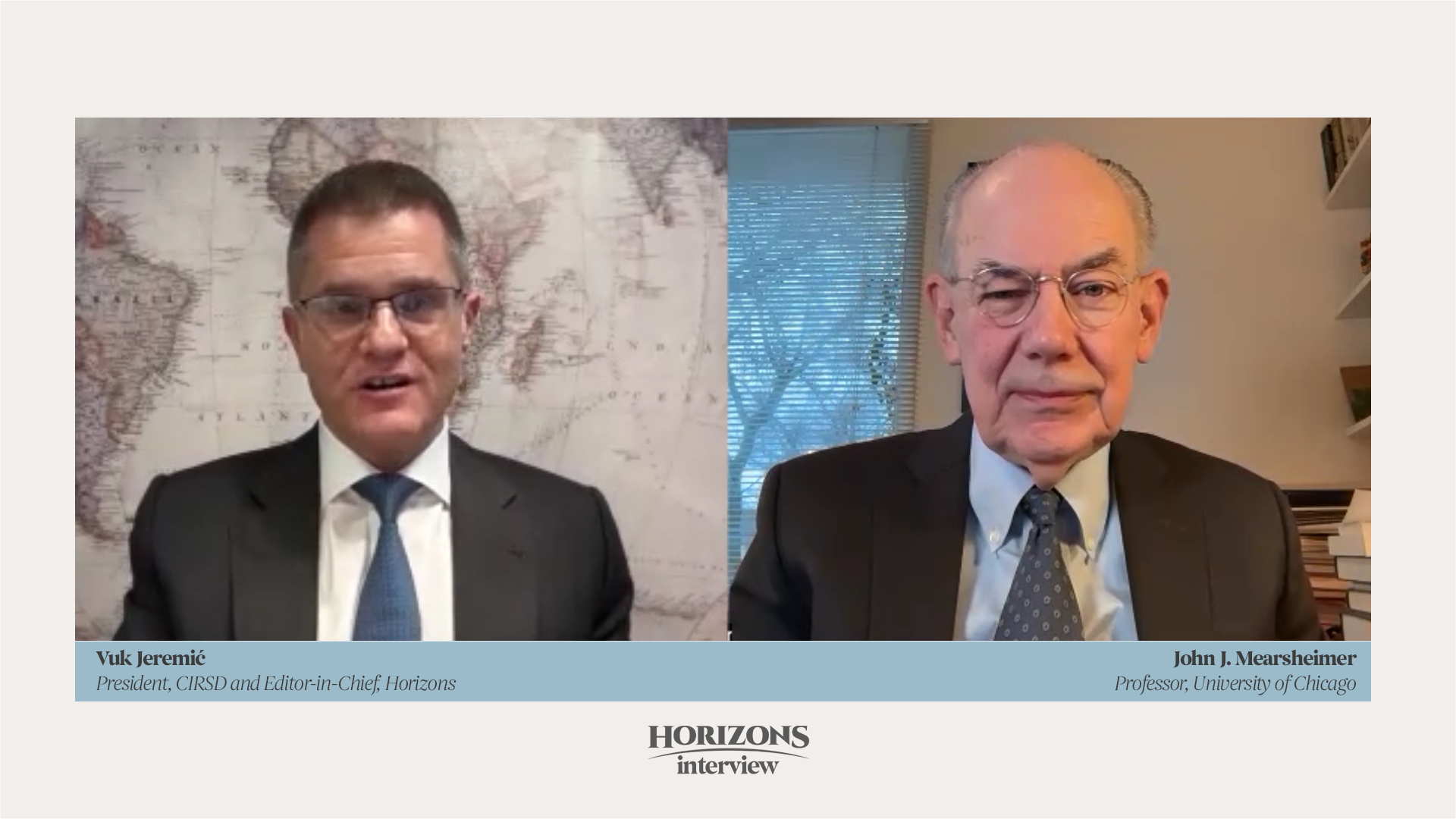
The Center for International Relations and Sustainable Development (CIRSD) has published a new Horizons Interviewwith Professor John J. Mearsheimer, one of the most influential political scientists of our time and the leading voice of structural realism in international relations. The interview was moderated by Vuk Jeremić, President of CIRSD and Editor-in-Chief of Horizons.
Read more
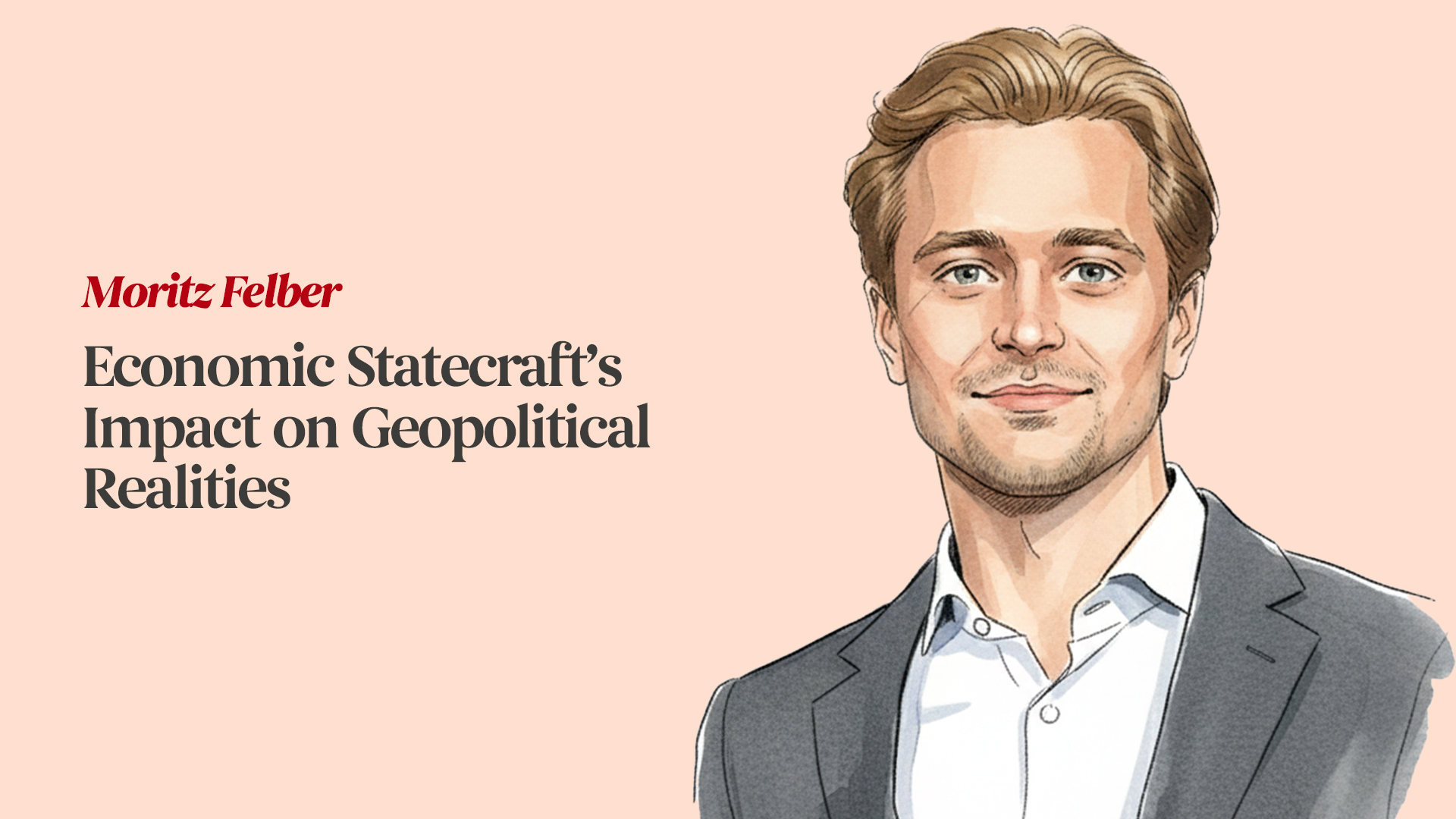
Economic Statecraft’s Impact on Geopolitical Realities
European Russophobia and Europe’s Rejection of Peace: A Two-Century Failure
Europe has repeatedly rejected peace with Russia at moments when a negotiated settlement was available, and those rejections have proven profoundly self-defeating.
Read more