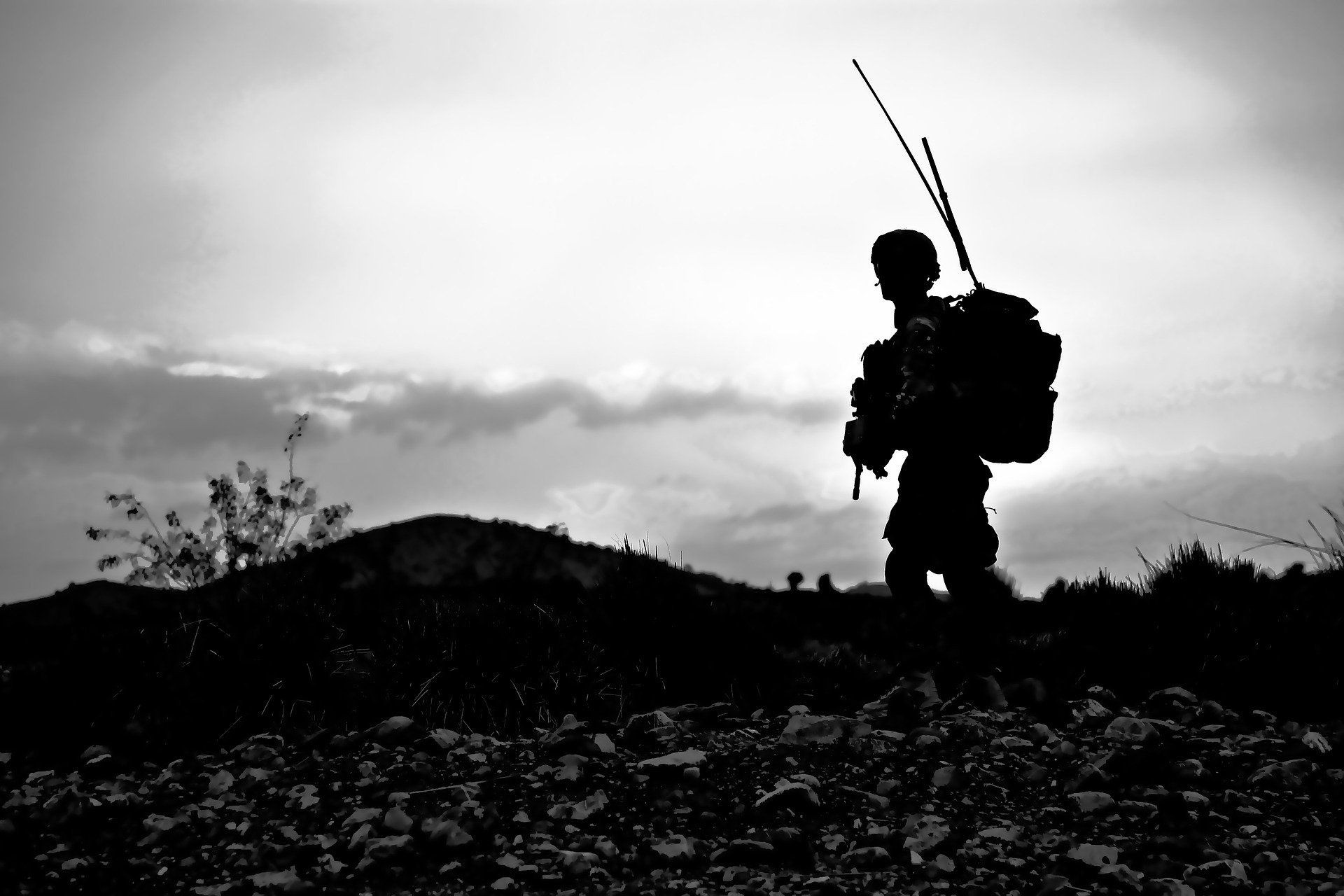
 A frantic, somber day in the West Wing as attacks in Kabul resulted in the death of at least 12 U.S. service members.
An already perilous withdrawal of U.S. personnel and allies from Afghanistan turned into something much darker on Thursday as the kind of catastrophe President Joe Biden had been warning about took place outside Kabul’s main airport.
A series of terrorist attacks left at least 12 U.S. service people dead and 15 wounded — the deadliest U.S. casualty event in Afghanistan since 2011.
President Joe Biden pauses as he speaks about the bombings at the Kabul airport.
An already perilous withdrawal of U.S. personnel and allies from Afghanistan turned into something much darker on Thursday as the kind of catastrophe President Joe Biden had been warning about took place outside Kabul’s main airport.
A series of terrorist attacks left at least 12 U.S. service people dead and 15 wounded — the deadliest U.S. casualty event in Afghanistan since 2011.
It was the most devastating moment in Biden’s young presidency.
In its wake, U.S. officials remained steadfast that they would conclude the evacuation mission from the 20-year war, raising additional questions about Biden’s handling of the end of America’s longest war.
For those in the White House, Thursday was one of the most emotionally trying and frenetic days since taking office. As the first reports came in about explosions around Kabul, officials were confronted with a deluge of information, prompting senior officials to remind staffers to ferret out facts from the speculation and chatter. During one staff meeting, sniffles could be heard as various staffers fought back tears when they learned of the U.S. deaths, according to a person close to the situation. One White House official described the pace of the day’s events as overwhelming.
The article’s full-text is available here.