Horizons Discussion with Jeffrey Sachs on the Asia-Pacific Century
Horizons Discussion with Jeffrey Sachs on the Asia-Pacific Century
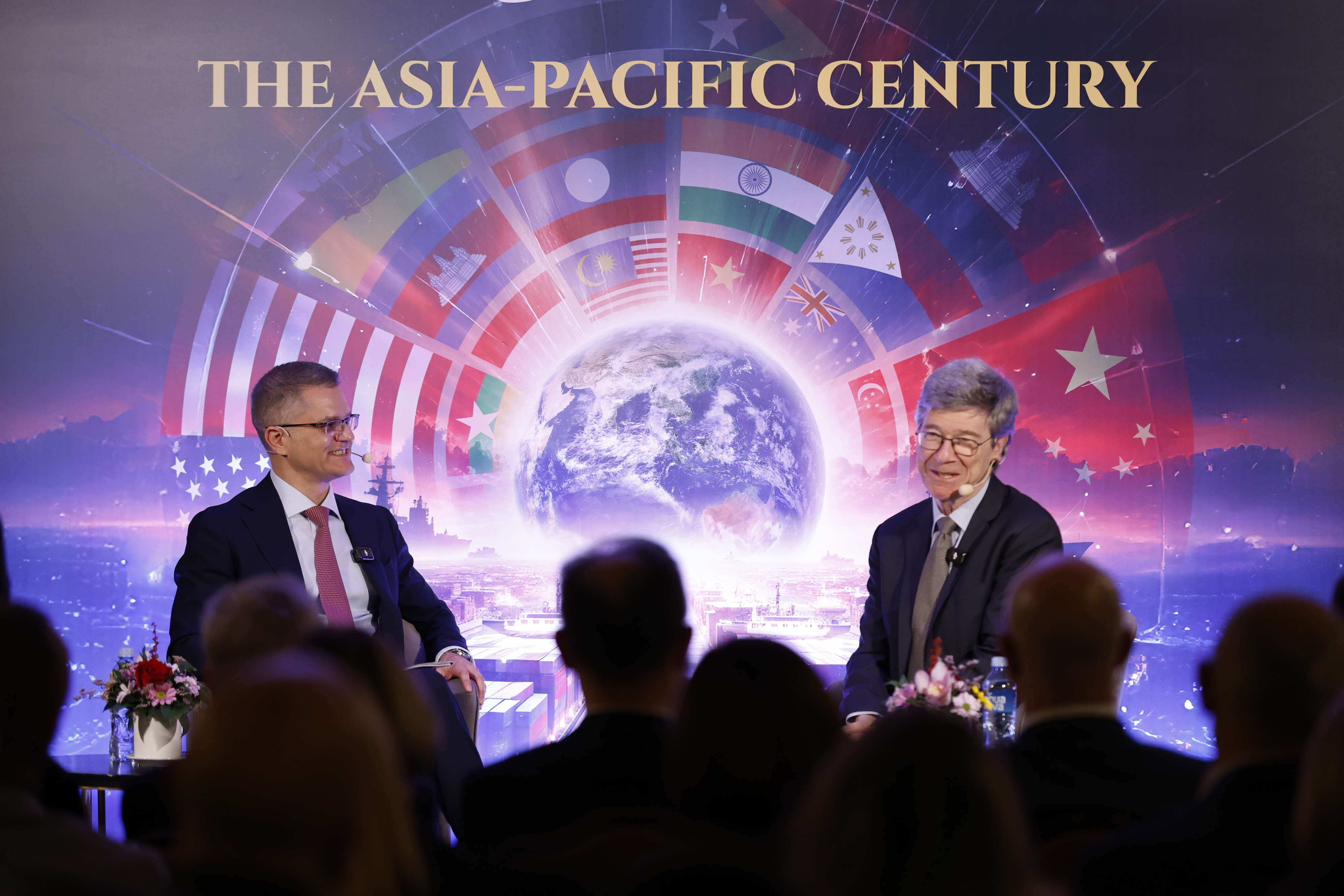
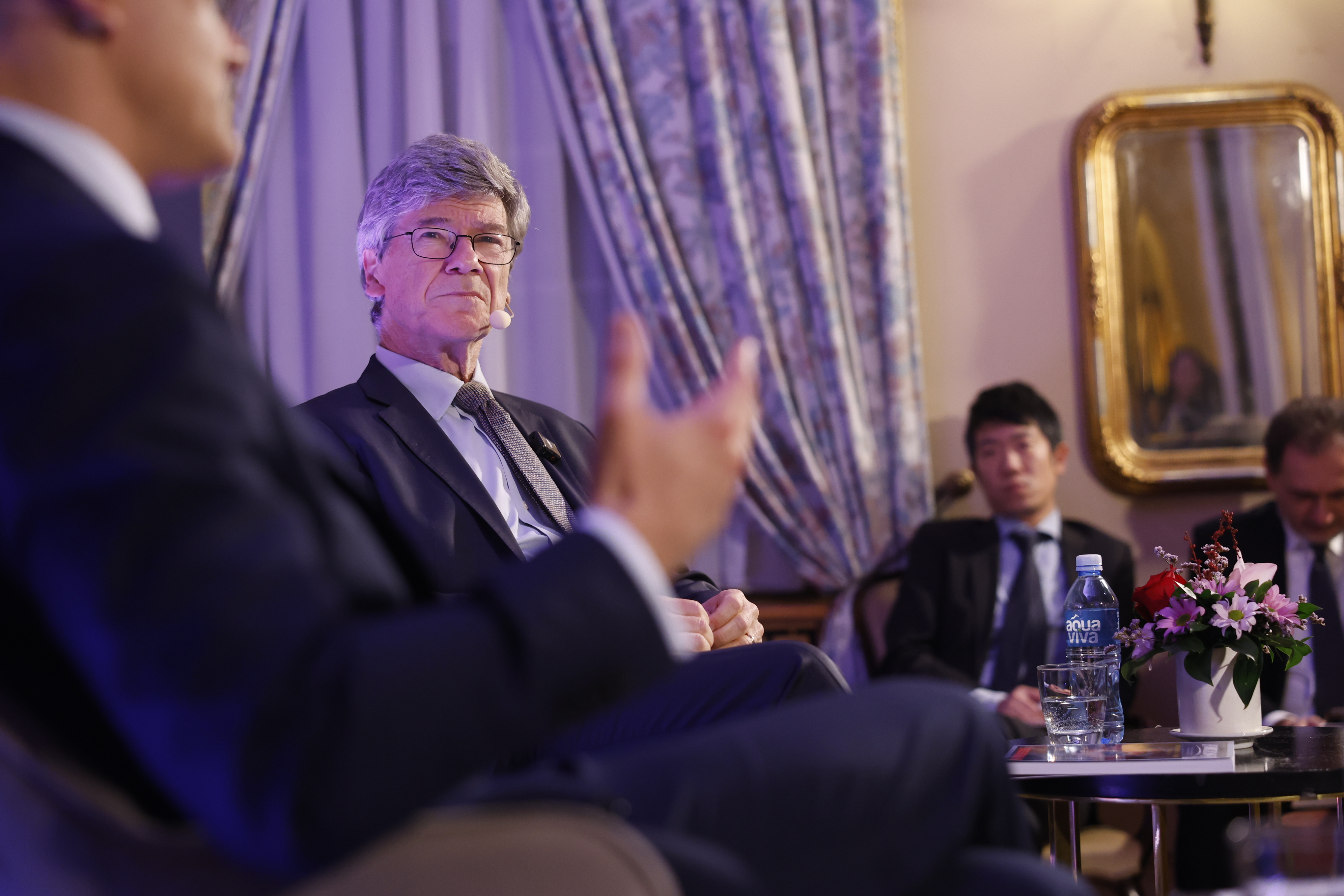
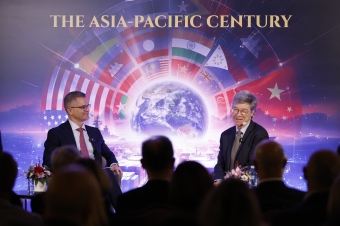
The Center for International Relations and Sustainable Development (CIRSD) hosted a high-level Horizons Discussion featuring Professor Jeffrey D. Sachs, one of the world’s most renowned intellectuals, in conversation with Vuk Jeremić, President of CIRSD and Editor-in-Chief of Horizons. The event marked the launch of the 32nd volume of Horizons, titled The Asia-Pacific Century.
Opening the discussion, Professor Sachs congratulated CIRSD and the Horizons editorial team on the launch of the journal’s 32nd edition, describing Horizons as “the best foreign affairs journal in the world.”
“Horizons tells you about the world as it is,” Sachs said. “It is a remarkable achievement, and I am very proud to be published in its pages.”
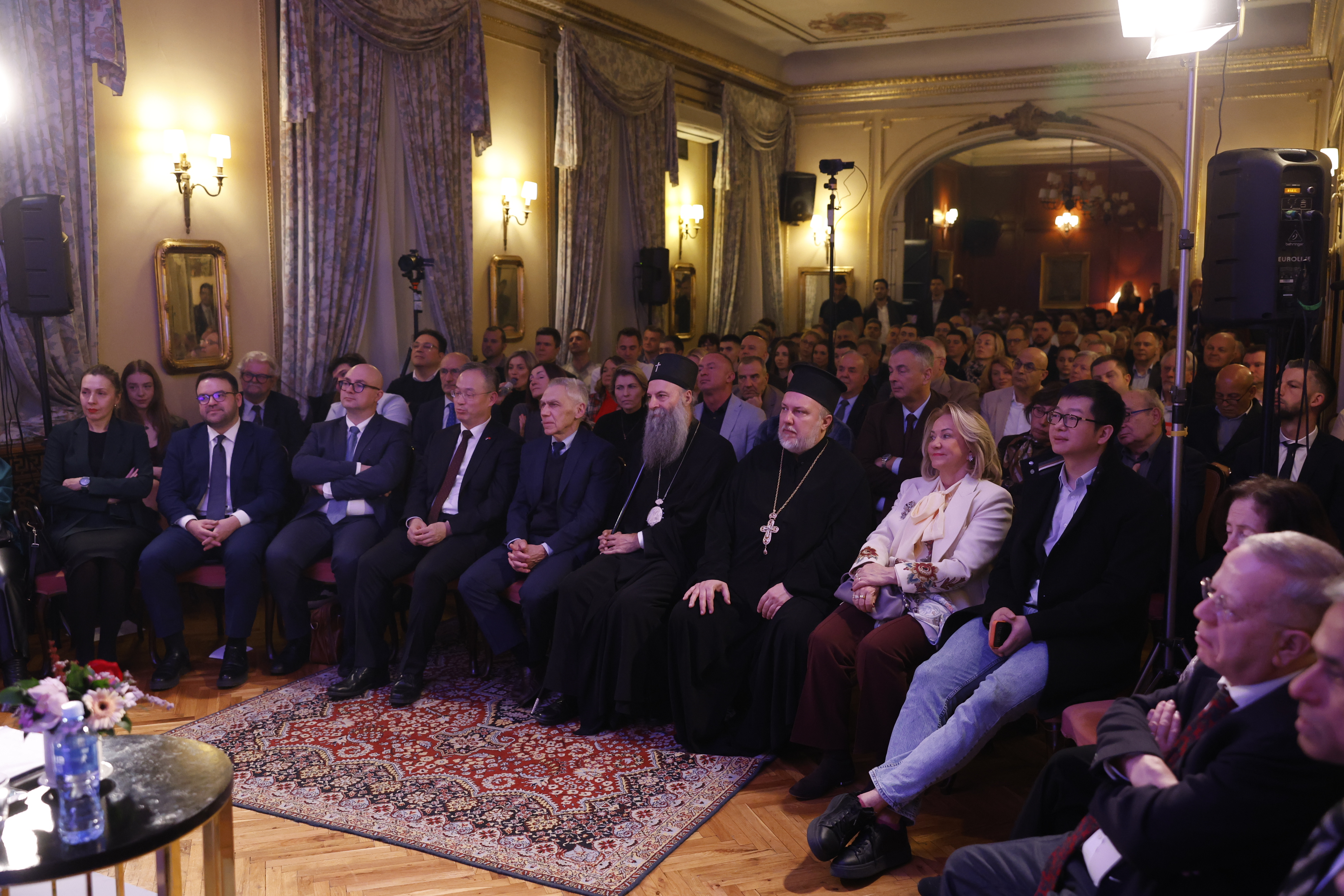
The discussion brought together members of the diplomatic corps, representatives of international organizations, business leaders, academics, and media. Among the attendees were His Holiness Serbian Patriarch Porfirije, H.E. Li Ming, Ambassador of the People’s Republic of China, H.E. Aleksandar Bocan-Harčenko, Ambassador of the Russian Federation, and H.E. Osvaldo Narciso Marsico, Ambassador of Argentina, reaffirming Horizons’ role as a platform for open and intellectually rigorous debate on the most pressing global issues.
At the core of the discussion was a fundamental transformation of global power dynamics. Professor Sachs argued that the world is witnessing the end of a 500-year period of Western dominance, which began with Europe’s maritime expansion at the end of the 15th century. While acknowledging Asia’s growing influence in the 21st century, he emphasized that the current transition points toward a genuinely multipolar world rather than the replacement of one dominant power with another.
“We are at a watershed moment in human history,” Sachs said. “This is not simply an Asian century. It is the end of a five-century-long European-led world order and the beginning of a world century, in which multiple regions, including Africa, will experience profound growth.”
Reflecting on historical developments, Sachs traced Europe’s ascent through colonial expansion and technological superiority, followed by its decline through two world wars that ultimately undermined its global dominance. He noted that the post-1950 period opened space for the non-Western world to emerge, with China and India regaining sovereignty and economic momentum, and Russia later reasserting itself as a major global actor.
Addressing contemporary geopolitics, Sachs rejected the notion that international relations are inherently zero-sum, particularly in relation to China’s rise.
“The idea that one country’s prosperity must come at the expense of another is based on outdated and dangerous thinking,” he said. “Global well-being is driven by knowledge, technology, and cooperation, not by fear and confrontation.”
Sachs also expressed deep concern about the growing risk of global conflict, especially in the nuclear age. He criticized the absence of serious dialogue between major powers and warned that ideological rigidity and poor leadership could lead to catastrophic consequences.
“In a world of nuclear weapons, hypersonic missiles, and cyber warfare, the refusal to talk is not strength,” Sachs said. “It is a serious threat to global stability.”
A significant part of the discussion focused on the war in Ukraine. Sachs argued that the conflict did not begin in 2022, but in 2014, following the overthrow of Ukraine’s government and the failure to implement the UN-backed Minsk II agreement. He recalled urging US officials in late 2021 to negotiate Ukraine’s neutrality and halt NATO expansion in order to prevent escalation.
“This war was not inevitable,” Sachs noted. “It is the result of strategic arrogance and a persistent failure to pursue diplomacy.”
The future of Europe and Serbia’s position within a changing international system was another central theme. Sachs voiced support for Serbia being part of a strong and functional Europe, while cautioning against policies that isolate the continent from other major global actors. “Serbia should be part of Europe, but not a Europe that cuts itself off from Russia, China, or India,” he said. “The future lies in cooperation among regions, not in closed and hostile blocs.”
Vuk Jeremić emphasized the importance of honest and independent debate at a time of profound global uncertainty.
“Professor Sachs has long challenged conventional thinking and called for policies grounded in realism and cooperation,” Jeremić said. “Horizons exists to provide space for serious dialogue that reflects the complexity of today’s world and the reality of an emerging multipolar order.”
The event concluded with an interactive exchange between Professor Sachs and the audience, followed by a reception that continued the conversation informally.
The Horizons Discussion once again underscored CIRSD’s mission to foster dialogue between East and West and to contribute to a more inclusive and forward-looking global conversation.
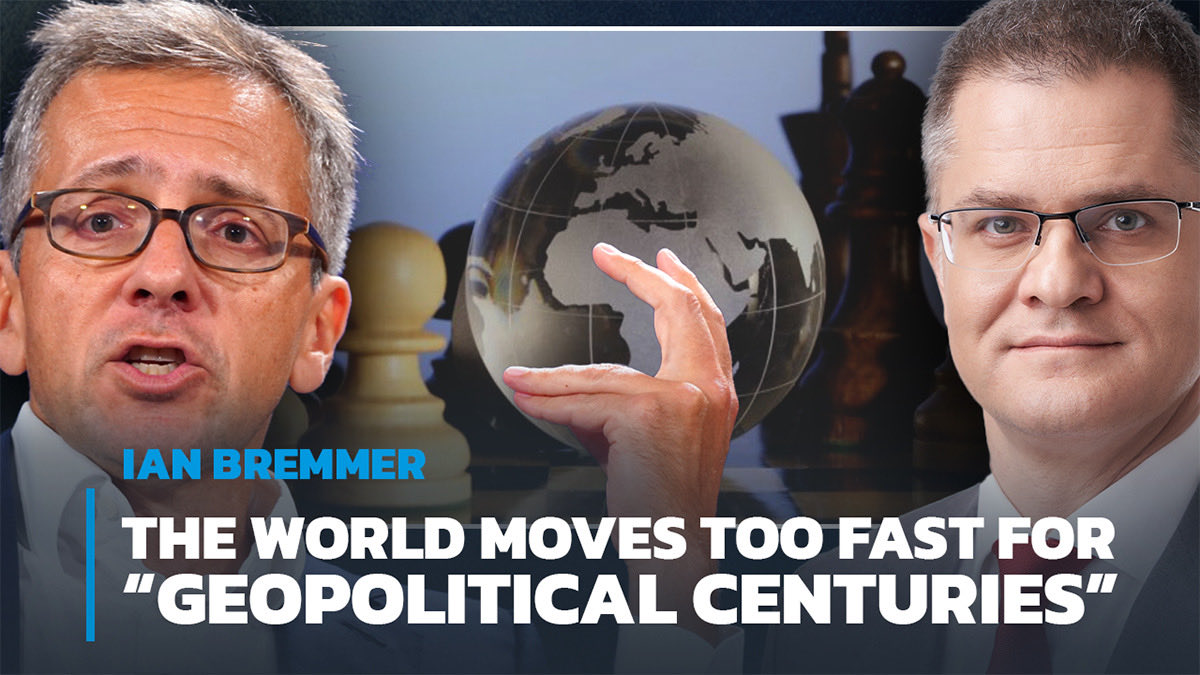
[VIDEO] Ian Bremmer: The World Moves Too Fast for “Geopolitical Centuries” | Horizons Interview
Horizons presents an exclusive interview with Ian Bremmer, President and Founder of Eurasia Group and GZERO Media. The conversation explores the current state of global affairs, including the idea of a “geopolitical recession,” the rise of Asia, shifts in the domestic political landscape in the United States, transatlantic relations, the future of global governance, as well as the growing impact of artificial intelligence on international stability and economic transformation. The interview was conducted by Horizons Editor in Chief Vuk Jeremić and recorded in November 2025.
Read more
Horizons Discussion with Jeffrey Sachs on the Asia-Pacific Century
The Center for International Relations and Sustainable Development (CIRSD) hosted a high-level Horizons Discussion featuring Professor Jeffrey D. Sachs, one of the world’s most renowned intellectuals, in conversation with Vuk Jeremić, President of CIRSD and Editor-in-Chief of Horizons. The event marked the launch of the 32nd volume of Horizons, titled The Asia-Pacific Century.
Read more
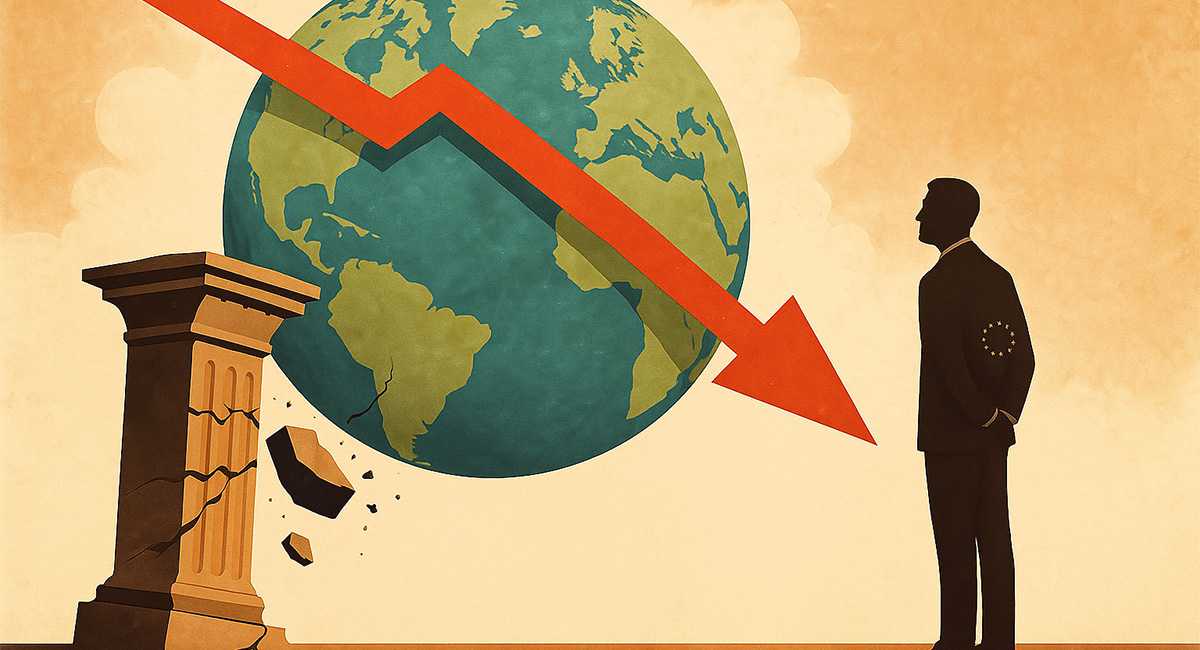
When Development Falters: The Cost of Europe’s Inward Turn
At a time of growing global uncertainty and polarization, it can often be difficult to pinpoint the specific moments that will have the most pronounced impact on the long-term strength of our international system.
Read more
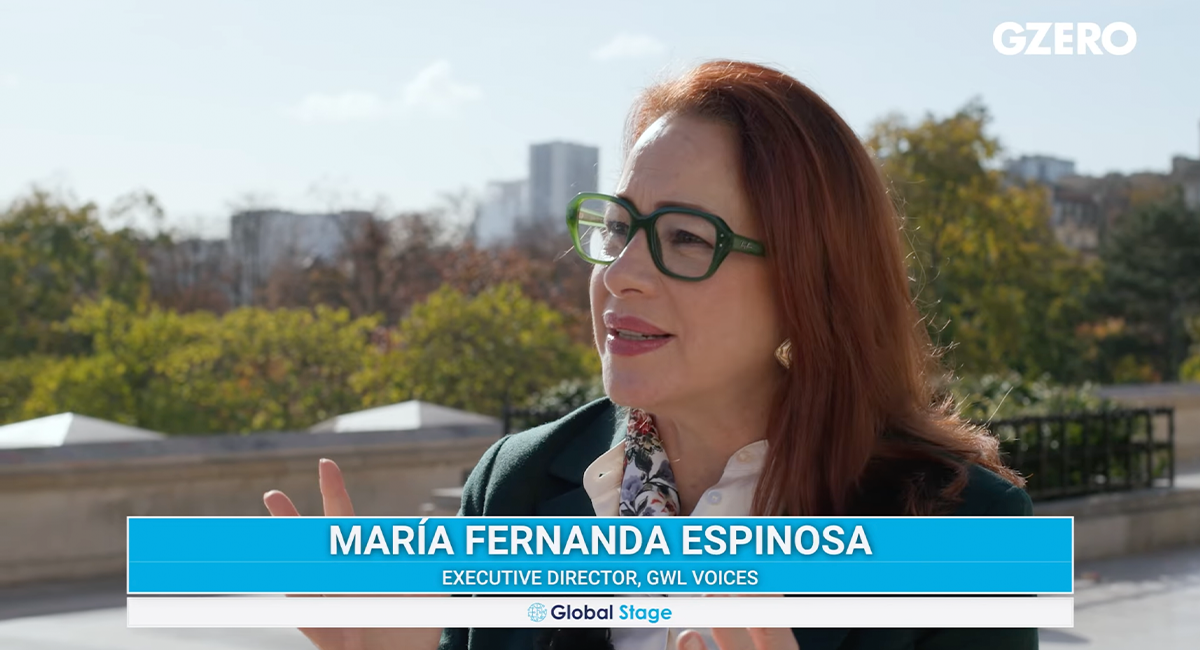
GPDI Co-Chair María Fernanda Espinosa Calls for UN Reform Centered on Preventive Diplomacy in Interview with GZERO Media
Paris — On the sidelines of the Paris Peace Forum, María Fernanda Espinosa, Co-Chair of the Global Preventive Diplomacy Initiative (GPDI) and former President of the United Nations General Assembly, spoke with GZERO Media’s Tony Maciulis about the urgent need to make global peace efforts more proactive through preventive diplomacy.
Read more