WSF: Strategic Rivalry? The European Union, Russia and China in the Western Balkans
WSF: Strategic Rivalry? The European Union, Russia and China in the Western Balkans
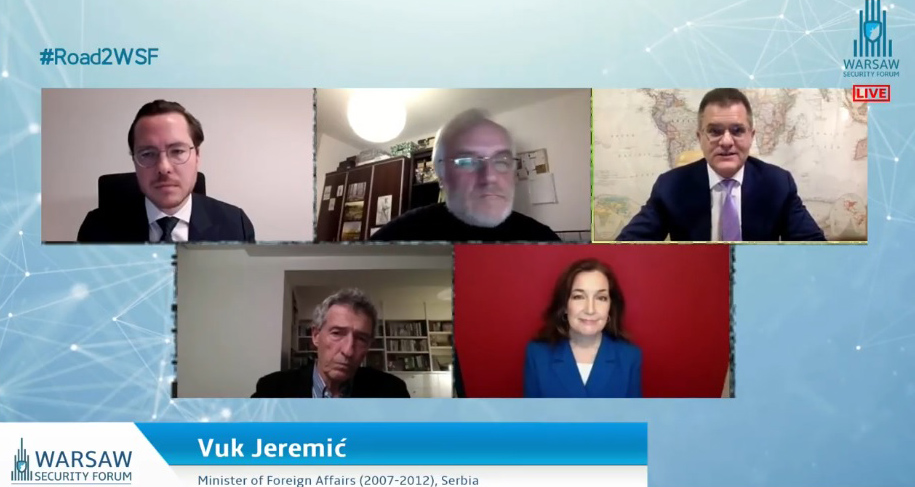
CIRSD President Vuk Jeremić participated in an online webinar themed “Strategic rivalry? EU, Russia, and China in Western Balkans”, organized as a part of the annual Warsaw Security Forum, on November 17th, 2020.
In his remarks, Jeremić stressed that Serbia is “backsliding on its path to the EU” and that it will not move forward as long as Aleksandar Vučić and his political party remain in power.
“Serbia has ceased to be a democracy. And this is not just my subjective view, but also the assessment of external actors like the Freedom House that classified Serbia as a hybrid regime. For the first time since the ousting of Slobodan Milošević, we were relegated from a free state into a partly-free state,” he said.
Jeremić stated that Serbia is currently the only country in Europe, besides Belarus, without an opposition in the parliament. He added that despite controlling a 90 percent majority in the parliament, Vučić still gets commended by some European leaders.
Commenting on the Bulgarian veto to the EU accession process of North Macedonia, he described it as “outrageous”, adding it could have considerable consequences on European integration of the entire region.
When asked if China, with its 17+1 initiative towards countries of Central and Eastern Europe, is trying to divide the Old Continent, he replied that “geopolitics is not a charity”.
He concluded that from China’s perspective, it is easier to have relations with individual states rather than the EU as a whole, and that this foreign policy approach is understandable. It is Europe’s turn to draw a countermove in that chess-game, demonstrating a united European front.
When Development Falters: The Cost of Europe’s Inward Turn
At a time of growing global uncertainty and polarization, it can often be difficult to pinpoint the specific moments that will have the most pronounced impact on the long-term strength of our international system.
Read more
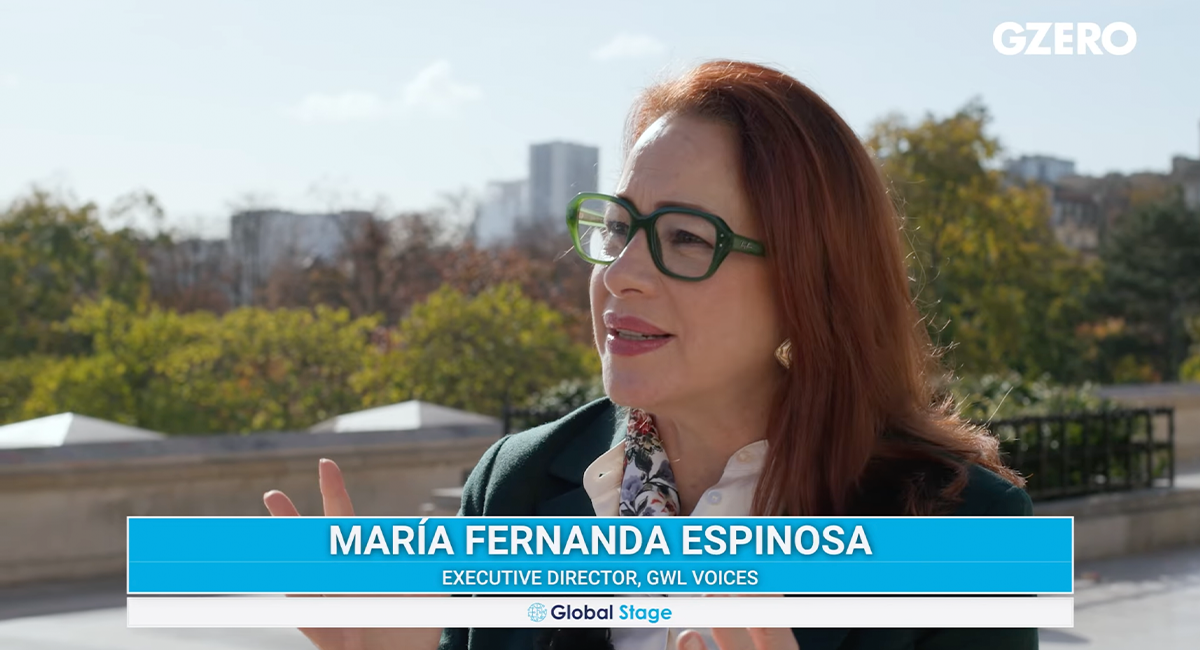
GPDI Co-Chair María Fernanda Espinosa Calls for UN Reform Centered on Preventive Diplomacy in Interview with GZERO Media
Paris — On the sidelines of the Paris Peace Forum, María Fernanda Espinosa, Co-Chair of the Global Preventive Diplomacy Initiative (GPDI) and former President of the United Nations General Assembly, spoke with GZERO Media’s Tony Maciulis about the urgent need to make global peace efforts more proactive through preventive diplomacy.
Read more
CIRSD Vice President Participates at International Conference on Responsible Management Education
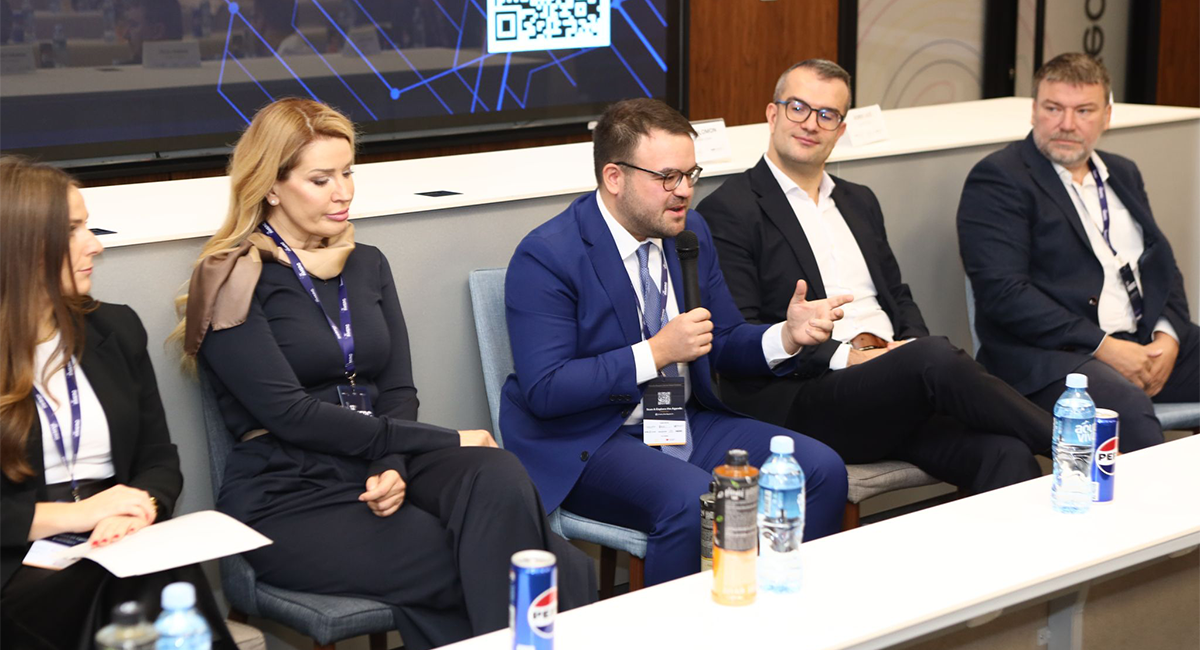
Belgrade, October 2025 — CIRSD Vice President Stefan Jovanović participated in the 12th Responsible Management Education Research Conference (RMERC), held last week in Belgrade. The event was organized by the University of Belgrade, Faculty of Organizational Sciences, and the Principles for Responsible Management Education (PRME) Anti-Poverty Working Group, bringing together representatives from academia, the business community, and international organizations from around the world.
Read more
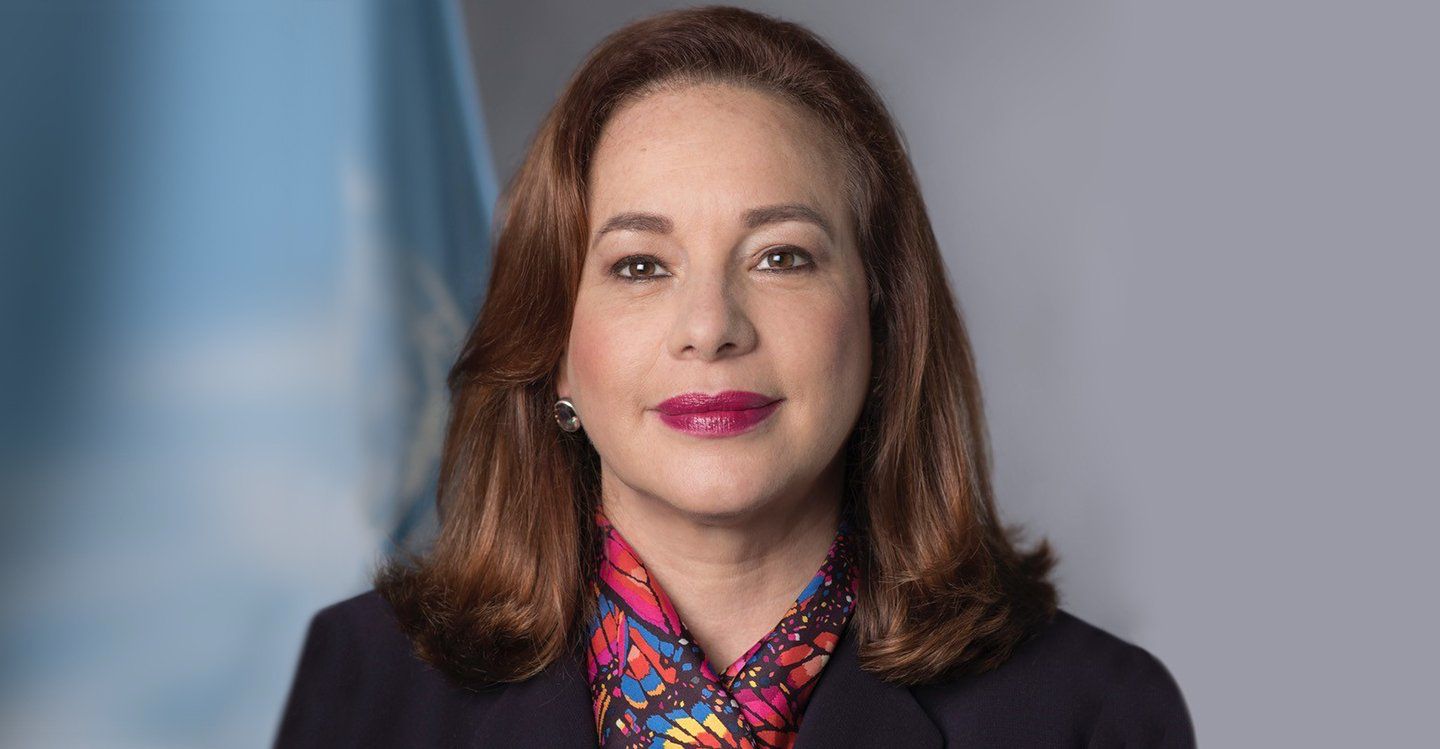
Maria Fernanda Espinosa Calls for Stronger Preventive Diplomacy as the UN Marks its 80th Anniversary
As the United Nations commemorates its 80th anniversary, Maria Fernanda Espinosa, former President of the UN General Assembly and Co-Chair of the Global Preventive Diplomacy Initiative (GPDI), spoke to CGTN’s flagship program The Agenda about the urgent need to modernize the UN and make preventive diplomacy the central pillar of its peace and security agenda.
Read more